MOLD MITIGATIONLAS VEGAS
Mold mitigation is focused on controlling an active mold problem before it affects more of the property. Watermold Las Vegas reviews the affected area, checks for moisture conditions, establishes containment where needed, removes materials that cannot remain, supports HEPA air management, and organizes drying and cleanup steps. The work is planned around the actual conditions so the affected space can move forward without unnecessary disturbance to surrounding areas.
How Does Mold Mitigation Work In Las Vegas?
A mitigation plan may include work-area isolation, selective removal of porous materials that cannot be cleaned in place, detailed cleaning of suitable remaining surfaces, HEPA-supported air management, controlled debris handling, moisture checks, and drying support. The sequence depends on the size of the affected area, access conditions, material type, and whether hidden moisture remains after visible growth is addressed.
Watermold Las Vegas provides mold mitigation support for homes, rentals, condos, apartments, offices, and commercial properties throughout the local service area. The goal is to limit spread, address affected materials, reduce remaining moisture concerns, and leave the work area organized for the next step. Each project is handled according to the property conditions rather than a one-size-fits-all process.
What Is Included In Mold Mitigation In Las Vegas?
Mold mitigation combines containment, affected-material control, cleaning, and moisture management to limit an active mold problem. The exact work depends on where mold is found, how far it extends, which materials are affected, and whether moisture is still present. The service cards below explain common mitigation steps in clear terms for homeowners, landlords, property managers, and business owners.
Mitigation Review And Work Planning
Mitigation Assessment
A mitigation assessment reviews visible mold, nearby finishes, and moisture clues before work begins. It helps define the affected area, identify materials that may need closer access, and organize the first steps. Starting with a clear assessment keeps containment, removal, and cleaning focused on the parts of the property that actually require attention.
Call NowMoisture Source Check
Mold can continue when the source of moisture remains active. A moisture source check looks for leak history, plumbing issues, roof intrusion, condensation, or persistent damp conditions connected to the affected area. Understanding the source helps coordinate cleanup with drying and correction steps instead of addressing visible growth while the same moisture condition continues.
Call NowAffected Area Review
An affected area review considers visible growth, staining, material condition, and nearby spaces that may share the same moisture path. The goal is to set practical work boundaries before containment is installed. If conditions suggest that mold extends behind a finish, controlled access can be planned without opening unrelated sections of the property.
Call NowHidden Mold Access
Hidden mold may be present behind drywall, cabinets, baseboards, ceilings, or other finishes near a leak or damp area. Controlled access allows concealed conditions to be checked while limiting unnecessary disturbance. When additional affected material is found, the mitigation plan can be expanded to include the newly confirmed area, cleanup steps, and moisture checks.
Call NowMitigation Work Plan
A mitigation work plan organizes the project into clear stages such as access, containment, selective removal, cleaning, debris handling, moisture verification, and drying support. It gives the property owner a straightforward view of what the job may involve. The plan can be adjusted if concealed conditions change the size or material needs of the work area.
Call NowSpread Risk Review
A spread risk review looks at how the affected space connects to nearby rooms, air movement, occupied areas, and materials that may be disturbed during work. This helps determine where isolation and containment are useful. Planning around those connections supports cleaner work practices and reduces unnecessary movement through unaffected parts of the property during active mitigation.
Call NowContainment And Material Control
Containment Setup
Containment separates the active work area from surrounding rooms while affected materials are handled. Barriers and controlled access help keep demolition debris and disturbed particles within the planned zone. The setup depends on the room layout, size of the affected area, occupancy, and the type of materials that need removal or detailed cleaning.
Call NowWork Area Isolation
Work area isolation helps create a defined path for entry, equipment, debris handling, and cleaning. Keeping the active zone organized makes it easier to protect nearby finishes and reduce unnecessary traffic through unaffected spaces. The isolation approach can be adjusted for bathrooms, bedrooms, kitchens, offices, storage areas, or other locations where mold mitigation is required.
Call NowSelective Drywall Removal
Drywall may require selective removal when mold or moisture has affected the paper face, gypsum core, or concealed side of the wallboard. Only the sections that need access or cannot be cleaned effectively should be removed. Controlled removal also allows framing and wall cavities behind the drywall to be checked, cleaned, and dried as needed.
Call NowDamaged Insulation Removal
Insulation can hold moisture and may be difficult to clean when contamination reaches porous fibers. Removing affected insulation provides access to adjacent framing and cavities so those surfaces can be reviewed and addressed. The amount removed should match the confirmed condition rather than automatically clearing insulation beyond the area connected to the mold or moisture problem.
Call NowCabinet Area Mitigation
Cabinet areas can hide moisture around sinks, plumbing lines, backsplashes, walls, and flooring transitions. Mitigation may require access behind toe kicks, side panels, or nearby wall finishes to understand the full condition. The goal is to address affected materials while preserving cabinet components that remain dry and suitable to stay in place.
Call NowControlled Debris Handling
Materials removed during mitigation should be handled in a way that keeps debris organized within the work area. Controlled bagging, staging, and removal paths help reduce unnecessary contact with unaffected spaces. Debris handling is coordinated with containment and cleanup so the work zone can be cleared methodically before final surface cleaning and moisture verification.
Call NowCleaning And Moisture Management
HEPA Air Management
HEPA-supported air management can help capture fine particles while affected materials are disturbed and cleaned. Equipment placement is based on the size and layout of the work area, the amount of material being handled, and the containment setup. HEPA filtration supports the mitigation process but works best as part of coordinated removal, cleaning, and moisture-control steps.
Call NowDetailed Surface Cleaning
Detailed cleaning addresses suitable surfaces that can remain after affected porous materials are removed. The work may include framing, hard finishes, trim, or other materials within the mitigation area. Cleaning is planned around the actual surface condition and is followed by debris removal and review so the space is not left with loose residue from the work process.
Call NowFraming Surface Care
Wood framing and other structural surfaces may remain in place when their condition allows effective cleaning. Framing surface care focuses on accessible affected areas after surrounding materials are removed. Moisture conditions are also reviewed because cleaning alone does not address an active leak or damp cavity that could continue to support mold growth after the visible area is treated.
Call NowMoisture Verification
Moisture verification checks whether materials around the mitigation area remain damp after visible cleanup and removal are completed. Readings can help identify framing, wall cavities, ceilings, cabinet areas, or flooring transitions that still need drying attention. Confirming moisture conditions supports better decisions before the area is closed, repaired, or returned to normal use.
Call NowDrying Support
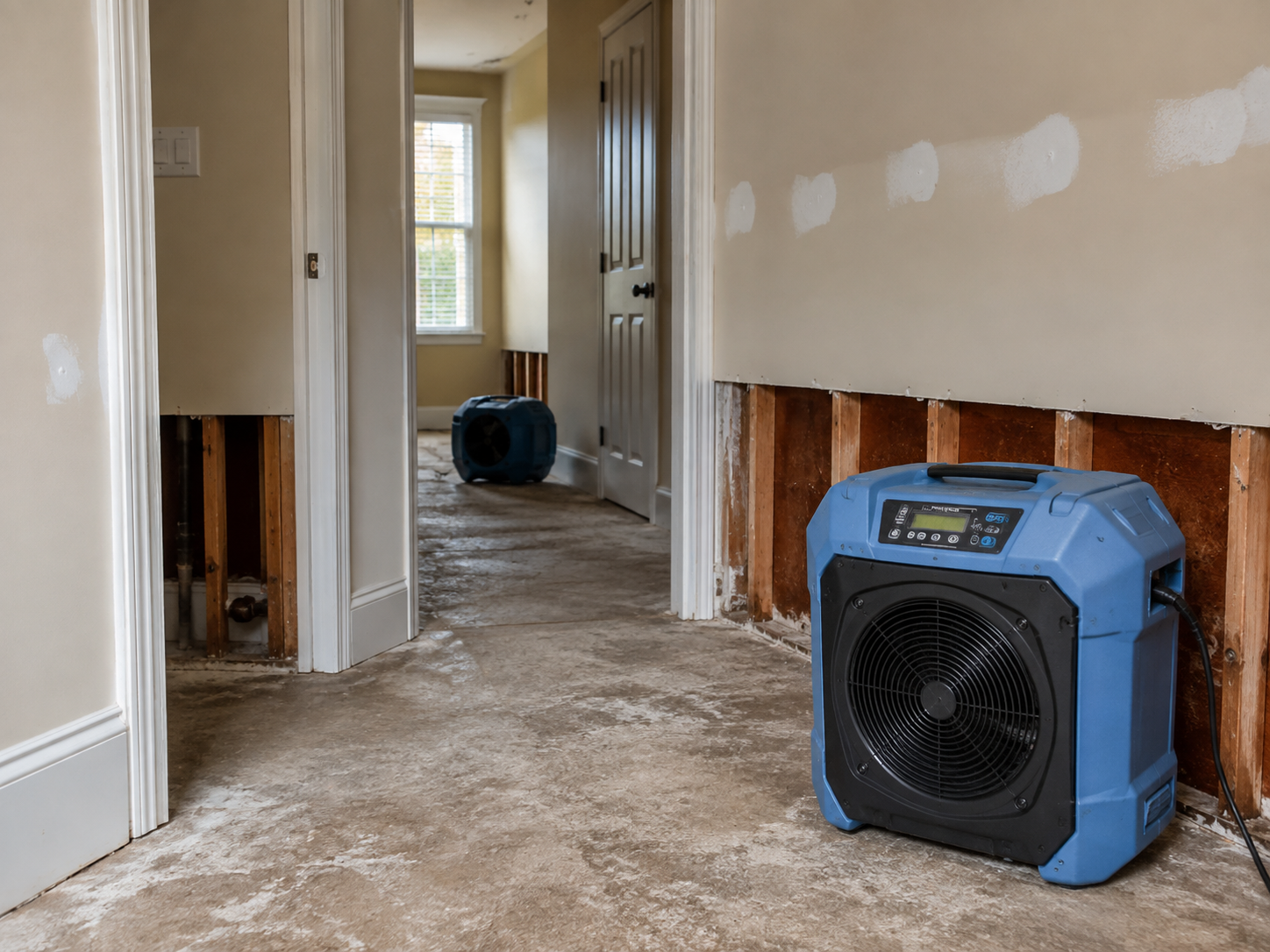
Drying support is used when remaining materials are still damp but suitable to stay in place. Air movement and other drying steps can be coordinated after the moisture source is addressed and affected materials are removed. The drying approach depends on the material type, access, room conditions, and how much residual moisture remains in the mitigation area.
Call NowOdor Source Reduction
Musty odor can remain when damp materials, hidden contamination, or debris are still present. Odor source reduction focuses on removing or cleaning the condition creating the smell rather than covering it with fragrance. When the source area is addressed and moisture is controlled, lingering odor concerns can be evaluated as part of the final cleanup review.
Call NowProperty Mold Mitigation Services
Home Mold Mitigation
Home mold mitigation can address affected bathrooms, bedrooms, kitchens, attics, closets, utility areas, and other spaces connected to leaks or persistent moisture. The work is planned around household access, nearby belongings, and the materials involved. Containment, selective removal, cleaning, and moisture checks are adjusted to keep the affected area organized while limiting disruption elsewhere.
Call NowRental Property Mitigation
Rental property mitigation helps landlords and managers respond to mold connected to leaks, plumbing issues, bathroom moisture, HVAC condensation, or damaged finishes. A defined work area and clear sequence make it easier to coordinate access and communicate what is being addressed. The scope is based on the confirmed affected materials rather than broad removal throughout the unit.
Call NowCondo Mold Mitigation
Condo mold mitigation requires attention to shared walls, plumbing paths, HVAC conditions, and neighboring finishes that may connect to the moisture source. The affected unit can be evaluated first to define containment and material needs. When conditions involve shared building components, the mitigation plan can be coordinated around the accessible area without making unsupported assumptions about adjacent units.
Call NowApartment Mold Mitigation
Apartment mold mitigation can address mold in bathrooms, kitchens, closets, HVAC areas, ceilings, and leak-damaged walls. Multi-unit properties benefit from a focused work zone, controlled debris handling, and clear access planning. The job is organized around the confirmed area so cleanup and moisture checks can move forward without unnecessarily disturbing other rooms or nearby units.
Call NowOffice Mold Mitigation
Office mold mitigation supports workspaces affected by ceiling leaks, plumbing issues, HVAC condensation, restroom moisture, or damp interior materials. The work can be staged around occupied areas, access needs, and business operations. Containment, selective removal, cleaning, and drying steps are coordinated so the affected zone remains clear and the project can progress in an organized manner.
Call NowCommercial Mold Mitigation
Commercial mold mitigation can support retail spaces, warehouses, offices, service properties, and other buildings with localized mold and moisture concerns. The scope considers building layout, work-area access, affected materials, and operational needs. Organized containment, debris handling, cleaning, and moisture management help keep the project focused while reducing avoidable interruption to unaffected parts of the property.
Call NowWhy Choose Mold Mitigation In Las Vegas?
Focused Mitigation Planning
Mitigation starts by defining the area that truly needs attention. Reviewing visible mold, concealed spaces, material condition, and moisture helps determine where containment, access, removal, and cleaning should occur. This focused approach keeps the work tied to confirmed conditions and gives property owners a clearer path through the active cleanup process.
Controlled Work Practices
Containment, HEPA-supported air management, selective removal, surface cleaning, debris handling, and moisture checks are coordinated as connected steps. The sequence is adjusted to the room and materials rather than treated as a fixed package. That organization helps keep the active work area easier to manage while affected materials are handled.
Moisture-Aware Completion
Mitigation should not end with visible growth removed while damp conditions remain. Remaining surfaces and nearby materials are reviewed for moisture so drying needs can be addressed before the space moves into repairs or normal use. This creates a more practical transition from active mold control to the next stage of the property work.
Mold Mitigation FAQs
Simple answers about containment, affected materials, HEPA-supported air management, moisture checks, drying, and the next steps after mitigation.
Get Mold Mitigation Help In Las Vegas
Call Watermold Las Vegas to discuss visible mold, hidden areas, containment, selective material removal, HEPA-supported air management, controlled debris handling, moisture checks, and drying support. The mitigation plan is based on the materials and conditions found in the affected part of the property.