HOUSE MOLD REMOVALLAS VEGAS
House mold removal focuses on the places where moisture and mold commonly affect everyday living areas. Watermold Las Vegas helps homeowners address mold in bathrooms, kitchens, attics, closets, bedrooms, laundry areas, garages, walls, ceilings, cabinets, drywall, wood, and other home surfaces after leaks, condensation, humidity, or water damage. Work can include affected-area review, containment where needed, selective material removal, HEPA-supported cleaning, debris control, moisture checks, drying support, odor review, and preparation of cleaned areas for the next appropriate step.
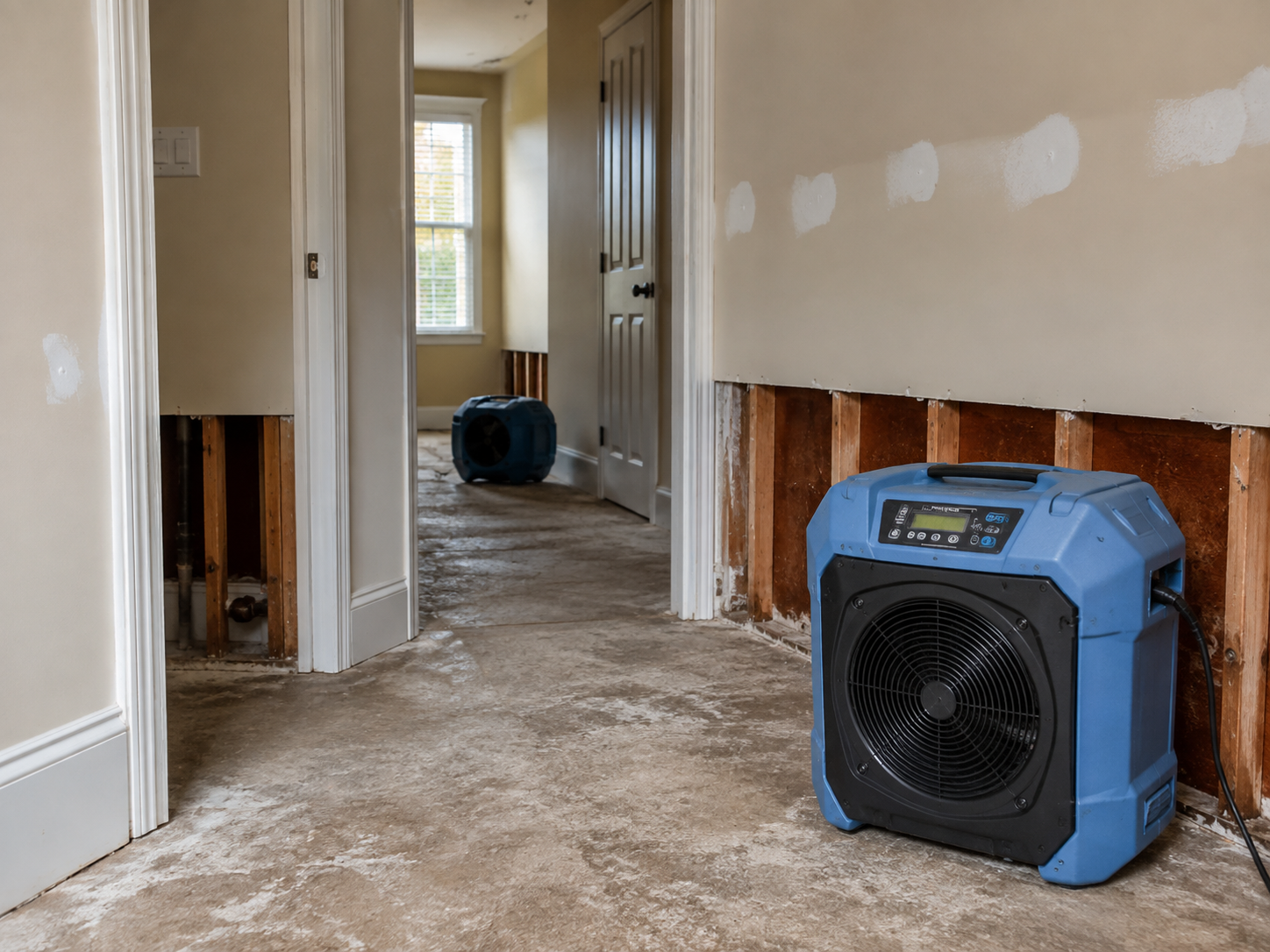
Where Does House Mold Develop In Las Vegas Homes?
House mold removal is more than wiping visible growth from a surface. Some materials can be cleaned and retained, while damaged porous materials may need controlled removal. The process can include area review, containment where appropriate, removal of unsuitable material, detailed surface cleaning, HEPA-supported air management, debris handling, moisture readings, drying support, and checking nearby areas that may have been exposed to the same leak or humidity source.
Watermold Las Vegas helps homeowners organize mold removal around the actual condition of the property. The work can address one small room or several affected areas, depending on what is found. The goal is to keep the process clear, protect unaffected living spaces, address the moisture condition, remove or clean affected materials as appropriate, and leave the home ready for the next repair or finishing step when needed.
What Is Included In House Mold Removal In Las Vegas?
House mold removal is organized around the room, surface, moisture source, and material condition. One home may have a small bathroom issue while another may need work in an attic, kitchen, wall cavity, closet, or several connected areas. The process can include affected-area review, controlled access, selective removal, detailed surface cleaning, HEPA-supported air management, debris control, moisture checks, drying support, odor review, and preparation of the cleaned area for repair when necessary. The service cards below explain common residential mold-removal needs in simple terms.
Common Mold Areas Inside The Home
Bathroom Mold Removal
Bathroom mold removal addresses growth around showers, tubs, sinks, toilets, vanities, ceilings, grout lines, drywall, and trim where repeated moisture can build up. The work begins by reviewing the visible area and looking for the moisture condition behind it. Depending on the materials involved, cleanup can include selective removal, detailed surface cleaning, drying support, and moisture-control steps before damaged finishes are repaired or replaced.
Call NowKitchen Mold Removal
Kitchen mold removal can be needed after sink leaks, dishwasher leaks, refrigerator line problems, cabinet moisture, or water trapped behind finished surfaces. Mold may develop under cabinets, around baseboards, behind appliances, or inside wall openings. The cleanup approach depends on access and material condition and can include removing affected components, cleaning retained surfaces, checking moisture, supporting drying, and preparing the area for repair.
Call NowAttic Mold Removal
Attic mold removal focuses on roof decking, framing, insulation areas, and other surfaces affected by roof leaks, condensation, or ventilation problems. Attic conditions can remain hidden until staining or odor becomes noticeable. Work can include reviewing the moisture source, cleaning suitable wood surfaces, removing affected material where necessary, managing debris, supporting drying, and checking whether the attic is ready for the next maintenance or repair step.
Call NowCloset Mold Removal
Closet mold removal helps with musty odors, wall growth, damp baseboards, stained ceilings, and mold around stored items or exterior walls. Small closets can trap humidity and receive limited airflow, especially near plumbing or HVAC areas. The removal process may include clearing access, reviewing affected materials, cleaning or removing damaged surfaces, checking moisture, and improving the conditions that allowed the problem to remain.
Call NowBedroom Mold Removal
Bedroom mold removal can address mold near windows, exterior walls, ceilings, closets, baseboards, or areas affected by hidden plumbing or roof leaks. Because bedrooms are occupied living spaces, the work should be organized around clear access and protection of unaffected areas. Depending on the condition, cleanup may involve selective material removal, surface cleaning, debris control, moisture checks, drying, and repair preparation.
Call NowLaundry Mold Removal
Laundry mold removal focuses on areas around washing machines, utility connections, drain lines, cabinets, walls, and floors where leaks or humidity can remain unnoticed. Water behind an appliance or inside a wall can affect drywall, trim, and nearby materials. The service can include reviewing the leak area, removing unsuitable material, cleaning exposed surfaces, checking moisture, supporting drying, and preparing the space for repair.
Call NowHouse Surfaces And Materials
Wall Mold Removal
Wall mold removal is used when growth or staining appears on painted surfaces, drywall, wall cavities, or areas near plumbing, windows, or AC-related moisture. Surface growth can sometimes point to a hidden problem behind the finish. Work can include focused access, selective drywall removal, cleaning exposed framing, checking moisture, supporting drying, and preparing the wall area for closure after the underlying condition has been addressed.
Call NowCeiling Mold Removal
Ceiling mold removal addresses growth or staining caused by roof leaks, plumbing from above, bathroom humidity, or AC condensation. Ceiling materials can hide moisture even when the surface appears dry. The cleanup process can include removing damaged sections, reviewing the space above, cleaning retained surfaces, checking moisture, supporting drying, and making sure the area is ready before new ceiling material is installed.
Call NowDrywall Mold Removal
Drywall mold removal is often needed when porous wallboard has stayed wet or has visible growth that extends beyond a cleanable surface. The affected section may need controlled removal so the wall cavity can be inspected. Exposed framing and nearby materials can then be cleaned, checked for moisture, and dried as needed. The goal is to remove damaged drywall without creating unnecessary demolition outside the confirmed area.
Call NowCabinet Mold Removal
Cabinet mold removal can involve sink bases, toe kicks, backs, side panels, shelving, or nearby wall surfaces affected by plumbing leaks or trapped moisture. Cabinet materials can swell or hold odor when damp for too long. The work can include opening concealed areas, removing damaged components, cleaning accessible surfaces, reviewing the source of moisture, checking nearby drywall, and preparing the space for cabinet repair or replacement.
Call NowWood Mold Removal
Wood mold removal can address framing, trim, shelving, subfloor edges, attic decking, and other wood surfaces exposed to moisture. The proper approach depends on whether the wood is structurally sound, how deeply the surface is affected, and whether it has dried. Suitable wood may be cleaned and retained, while damaged material may require separate repair evaluation after the mold and moisture conditions are addressed.
Call NowBaseboard Mold Removal
Baseboard mold removal helps when trim along walls and floors becomes stained, swollen, or mold-affected after a leak or repeated dampness. Removing damaged baseboard can expose the lower wall edge and reveal moisture or growth behind it. The area can then be cleaned, checked for remaining dampness, dried as needed, and prepared for new trim once the wall and flooring transition are in stable condition.
Call NowLeak Moisture And Cleanup Services
Post Leak Mold Removal
Post leak mold removal addresses growth that appears after plumbing, appliance, roof, or AC-related water reaches building materials. Even after the visible water is gone, damp drywall, cabinets, insulation, wood, or flooring edges can support mold. The work can include reviewing the leak path, opening concealed areas if needed, removing affected material, cleaning retained surfaces, checking moisture, supporting drying, and preparing the home for repair.
Call NowRoof Leak Mold Removal
Roof leak mold removal focuses on ceilings, attic areas, insulation, roof decking, framing, and wall sections affected by water entering from above. Roof leaks can travel away from the original entry point before becoming visible indoors. Mold removal can include identifying affected materials, controlling debris, cleaning suitable surfaces, checking moisture, supporting drying, and coordinating the cleanup area around the roof-related damage.
Call NowPlumbing Mold Removal
Plumbing-related mold removal can follow pipe leaks, drain problems, supply-line failures, sink leaks, toilet leaks, or moisture inside wall cavities. The visible stain may be smaller than the damp area behind the surface. Work can include focused access, removal of damaged porous material, cleaning of exposed surfaces, moisture checks, drying support, and review of nearby cabinets, drywall, flooring edges, or trim.
Call NowAC Moisture Mold
AC-related mold can develop near air handlers, drain lines, vents, closets, ceilings, or wall areas affected by condensation. The cleanup process depends on where moisture is collecting and what materials are involved. Work can include reviewing the affected area, removing damaged material, cleaning accessible surfaces, checking moisture, supporting drying, and making sure the source condition is addressed before the area is closed.
Call NowHEPA Home Cleaning
HEPA-supported home cleaning can help capture fine particles during or after mold-removal work. Equipment use depends on the room, the amount of material disturbed, and the size of the affected area. HEPA cleaning supports the broader removal process but does not replace material decisions, surface cleaning, debris clearance, moisture correction, or drying. It is used as one part of a controlled residential cleanup process.
Call NowHome Moisture Control
Home moisture control is important because mold can return when leaks, condensation, humidity, or trapped dampness remain. Moisture checks can help identify conditions in walls, ceilings, cabinets, attics, flooring edges, and other areas that may not look wet. The next step can involve continued drying, leak correction, ventilation improvement, or repair preparation depending on what is found inside the home.
Call NowResidential Mold Removal Support
Garage Mold Removal
Garage mold removal can address walls, ceilings, storage areas, cabinets, and surfaces affected by roof leaks, plumbing, exterior water entry, or long-term dampness. Garages can also hold stored materials that block airflow and hide moisture. Work can include clearing access, reviewing the affected area, removing unsuitable material, cleaning retained surfaces, checking moisture, supporting drying, and preparing damaged sections for repair.
Call NowHome HVAC Mold Cleanup
Home HVAC mold cleanup focuses on visible mold or moisture around accessible HVAC-connected areas such as closets, nearby walls, drain pans, or vent surroundings. The service should begin with the confirmed affected location rather than assuming the entire system is involved. Cleanup can include accessible surface work, material removal where needed, moisture checks, drying support, and coordination with the source of condensation or drainage problems.
Call NowHome Office Mold
Home office mold removal can be needed around exterior walls, windows, ceilings, closets, or leak-affected surfaces in rooms used for work. Electronics, furniture, documents, and stored items may require careful access planning before the area is opened. The removal process can focus on affected building materials, controlled cleanup, moisture review, drying, and keeping unaffected belongings outside the active work zone.
Call NowLiving Area Mold
Living-area mold removal can address walls, ceilings, baseboards, windows, built-in cabinets, and other finished surfaces affected by leaks or hidden moisture. Because these rooms are central to everyday use, the work should be organized to keep the active area defined and the rest of the space clear. Cleanup can include selective removal, surface cleaning, debris control, moisture checks, and drying support.
Call NowRental Home Mold
Rental-home mold removal helps owners, managers, and occupants address mold in kitchens, bathrooms, bedrooms, closets, garages, attics, and leak-affected areas. The work can be organized around access, occupancy, communication, and the actual materials involved. A clear sequence of review, removal, cleaning, moisture checks, drying, and repair preparation helps keep the project understandable for everyone responsible for the property.
Call NowWhole Home Mold Review
A whole-home mold review is useful when several rooms have musty odors, repeated leaks, visible growth, or connected moisture concerns. It does not assume the entire house needs mold removal. Instead, the review helps identify confirmed affected areas, likely moisture sources, material conditions, and which rooms require further access or cleanup. This keeps the removal scope focused on evidence rather than treating every room the same way.
Call NowWhy Address House Mold Early In Las Vegas?
Protect Living Areas
Mold can move beyond the first visible spot when damp materials remain in walls, ceilings, cabinets, closets, or attic spaces. Addressing the confirmed area early makes it easier to define the work zone, protect nearby rooms, remove damaged material before it spreads further, and keep cleanup focused on the part of the house that actually needs attention.
Correct Moisture Sources
House mold is closely tied to water and humidity. Plumbing leaks, roof leaks, AC condensation, wet cabinets, window intrusion, and bathroom moisture can continue feeding growth if the source is not addressed. Reviewing moisture conditions during removal helps homeowners understand whether more drying, leak correction, ventilation work, or repair is needed before the cleaned area is closed.
Prepare The Home
After mold-affected material has been removed and retained surfaces have been cleaned, the area may still need moisture verification, drying, debris clearance, or repair preparation. Organizing these steps in the right order helps prevent new drywall, trim, cabinets, or other finishes from being installed before the underlying home area is ready.
House Mold Removal FAQs
Simple answers about household mold, common rooms, hidden growth, drywall, moisture, cleanup, drying, and what can happen after affected materials are removed.
Get House Mold Removal Help In Las Vegas
Call Watermold Las Vegas to discuss mold in bathrooms, kitchens, attics, closets, bedrooms, laundry rooms, garages, walls, ceilings, cabinets, drywall, or other home areas. The removal plan is based on the affected materials, moisture source, access, visible conditions, cleanup needs, drying requirements, and whether the area needs repair preparation.