Commercial Kitchen Mold RemovalAnd Remediation Las Vegas
Commercial kitchen mold removal and remediation addresses mold and moisture affecting walls, ceilings, drywall, cabinets, sink areas, equipment zones, storage sections, vents, and flooring edges. Leaks, condensation, drain issues, recurring humidity, and hidden dampness can damage porous materials and support mold growth. Water Mold Las Vegas organizes affected-area review, selective material removal, detailed cleaning, HEPA-supported air management, debris control, moisture checks, drying support, and repair preparation around the confirmed kitchen work zone.
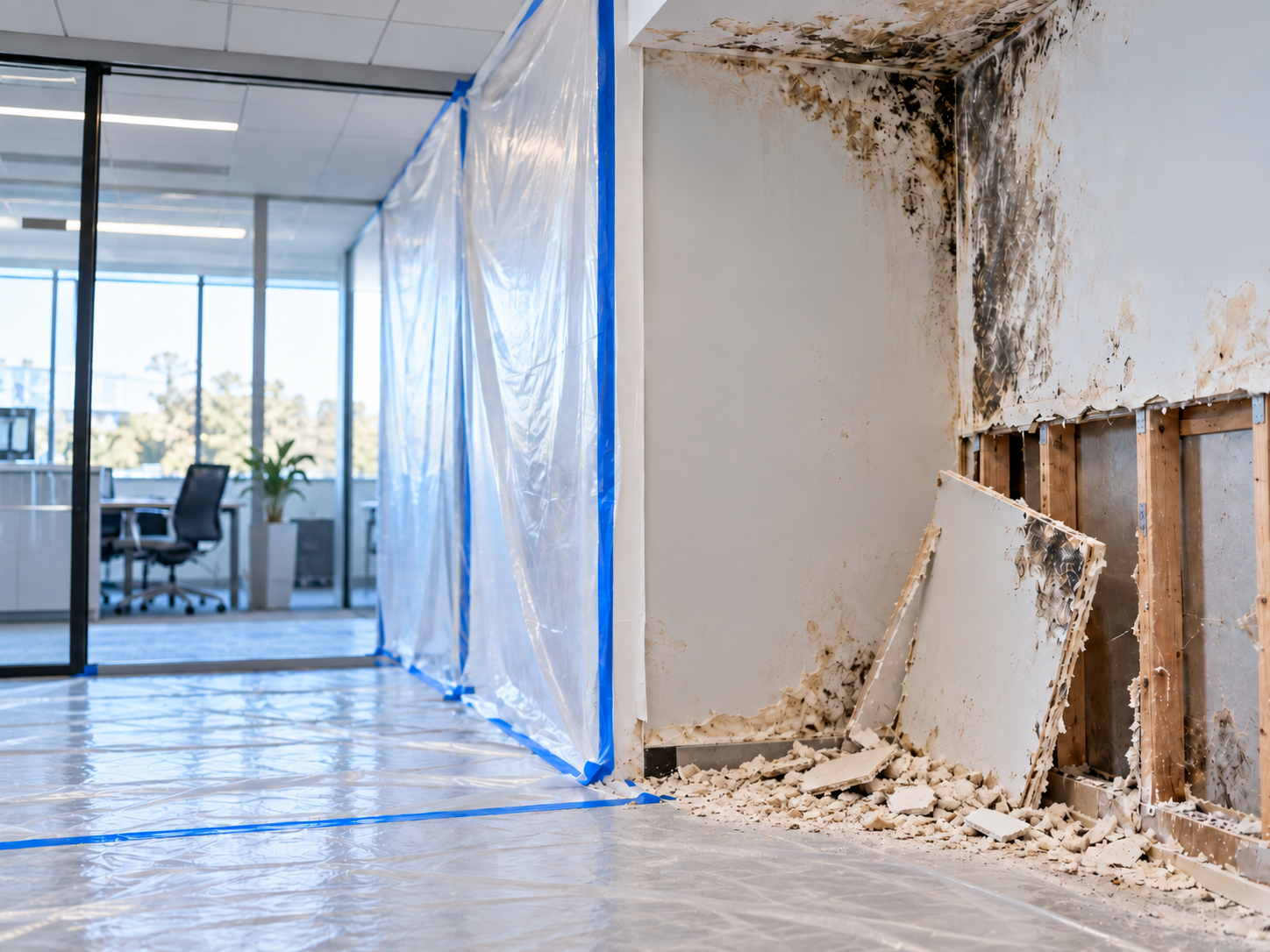
Where Can Mold Develop In A Commercial Kitchen?
Removal and remediation should follow the actual affected materials rather than treating every kitchen surface the same. Some materials can be cleaned and retained, while damaged porous sections may require selective removal. Work can include controlled access, detailed surface cleaning, HEPA-supported air management, debris handling, moisture checks, drying support, and review of nearby accessible materials connected to the same moisture source.
Water Mold Las Vegas keeps commercial kitchen work tied to confirmed conditions and property operations. A localized sink leak may require focused removal, while condensation, roof water, appliance leaks, or repeated moisture can affect several connected materials. The goal is to remove damaged material when necessary, clean retained surfaces, support drying, correct the moisture source, and prepare completed kitchen areas for repair.
What Is Included In Commercial Kitchen Mold Remediation?
Commercial kitchen mold removal and remediation is organized around the moisture source, affected materials, equipment placement, business operations, access needs, and surrounding finishes. The work can include focused assessment, controlled access, selective material removal, detailed surface cleaning, HEPA-supported air management, debris control, moisture checks, drying support, and repair preparation. Each service below stays tied to confirmed kitchen conditions instead of assuming unaffected surfaces require the same level of work.
Common Commercial Kitchen Mold Areas
Kitchen Wall Mold
Commercial kitchen wall mold can affect drywall, wall coverings, trim, backing materials, and enclosed cavities after sink leaks, appliance moisture, condensation, or repeated cleaning water. Surface staining may not show the full damp area behind a finish. Work can include focused access, selective material removal, detailed cleaning, moisture checks, drying support, debris control, and preparation for repair within the confirmed wall section after the moisture source is corrected. Final moisture review supports careful repair planning.
Call NowCeiling Mold Removal
Commercial kitchen ceiling mold removal addresses growth caused by roof leaks, upper-level water, condensation, exhaust-related moisture, or dampness above finished ceilings. The visible stain may be smaller than the affected material behind it. Work can include focused opening, selective removal of damaged ceiling material, cleaning retained surfaces, debris control, moisture checks, drying support, and repair preparation once the source is corrected and the affected ceiling section is dry. Final moisture review supports careful repair planning.
Call NowDrywall Mold Removal
Commercial kitchen drywall mold removal may be needed when wallboard remains wet, softens, deteriorates, or develops growth that cannot be handled through surface cleaning alone. Opening the affected section can reveal framing, insulation edges, wiring, plumbing, or hidden moisture. Work can include controlled drywall removal, debris handling, cleaning retained materials, HEPA-supported air management, moisture checks, drying support, and preparation for replacement finishes once the opened area is clean and dry. Final review supports careful repair.
Call NowSink Area Mold
Commercial kitchen sink area mold can affect wall finishes, cabinets, drywall, toe kicks, flooring edges, and nearby materials after supply-line leaks, drain problems, splashing, or trapped moisture. Enclosed areas can remain damp after the visible leak is corrected. Work can include focused access, selective removal, detailed cleaning, moisture checks, drying support, debris control, and repair preparation based on the confirmed moisture path and material condition. Final moisture and condition checks support careful remediation planning afterward.
Call NowCabinet Mold Cleanup
Commercial kitchen cabinet mold cleanup can involve sink bases, storage cabinets, toe kicks, backs, side panels, shelving, and nearby wall surfaces affected by leaks or trapped moisture. Access is planned so unaffected cabinetry can remain in place whenever practical. Work can include removing damaged components, cleaning retained surfaces, moisture checks, drying support, debris control, and coordination for cabinet, wall, or finish repairs after the source is corrected. Final checks support careful and organized repair planning.
Call NowEquipment Area Mold
Commercial kitchen equipment area mold can develop behind or beside refrigerators, dishwashers, ice machines, prep equipment, and other fixtures where leaks, condensation, or trapped moisture remain hidden. Access is organized around equipment so affected building materials can be reached safely. Work can include focused access, selective material removal, surface cleaning, moisture checks, drying support, debris control, and repair preparation after the source is corrected. Final moisture and condition checks support careful removal and remediation planning.
Call NowInterior Kitchen Mold Removal
Dishwashing Area Mold
Commercial kitchen dishwashing area mold can affect walls, ceilings, cabinets, flooring edges, and nearby finishes exposed to steam, splashing, drain issues, leaks, or recurring humidity. Moisture can move behind finished surfaces before obvious damage appears. Work can include selective material removal, detailed surface cleaning, debris control, moisture checks, drying support, and repair preparation after the moisture source is corrected and surrounding materials are stable. Final moisture and condition checks support careful removal and remediation planning.
Call NowPrep Area Mold Cleanup
Commercial kitchen prep area mold cleanup addresses growth affecting walls, ceilings, cabinets, shelving surrounds, trim, and flooring edges where water, condensation, or repeated cleaning moisture collects. The work area should follow confirmed building-material conditions rather than normal food-contact surfaces. Cleanup can include focused access, selective material removal, detailed cleaning, debris control, moisture checks, drying support, and repair preparation within the affected section. Final moisture and condition checks help confirm readiness for careful removal and remediation.
Call NowStorage Area Mold
Commercial kitchen storage area mold can affect walls, ceilings, drywall, shelving surrounds, cabinets, flooring edges, and stored-property areas after leaks, condensation, or recurring humidity. Stored items may need to be moved so building materials can be reached safely. Work can include selective material removal, cleaning retained surfaces, debris control, moisture checks, drying support, and repair preparation after the moisture source has been corrected. Final moisture and condition checks support careful removal, remediation, and repair planning.
Call NowPantry Mold Removal
Commercial pantry mold removal addresses growth affecting drywall, ceilings, shelving surrounds, wall finishes, trim, and flooring edges after leaks, condensation, or hidden moisture. Limited airflow in enclosed storage areas can allow damp materials to remain wet longer. Work can include focused access, selective material removal, detailed surface cleaning, moisture checks, drying support, debris control, and repair preparation while unaffected stored areas remain outside the active work zone. Final checks support careful and organized repair planning.
Call NowFloor Edge Mold
Commercial kitchen floor edge mold can develop where moisture reaches baseboards, wall edges, transitions, underlayment edges, or nearby porous materials after leaks, cleaning water, or equipment drainage issues. The visible floor surface may not show the full moisture path beneath adjoining finishes. Work can include focused access, selective removal of damaged sections, surface cleaning, moisture checks, drying support, debris control, and repair preparation based on actual material condition. Final moisture review supports careful repair planning.
Call NowBaseboard Mold Removal
Commercial kitchen baseboard mold removal addresses trim, lower drywall, wall edges, flooring transitions, and nearby materials affected by leaks, cleaning water, equipment moisture, or water traveling along the floor. The visible damage may extend behind trim. Work can include focused removal, cleaning retained surfaces, moisture checks, drying support, debris control, and repair preparation after the affected lower-wall section is dry and the source is corrected. Final moisture and condition checks support careful remediation planning afterward.
Call NowKitchen Moisture And Mold Conditions
Vent Area Mold
Commercial kitchen vent area mold can affect ceiling finishes, wall surfaces, drywall edges, and nearby materials where condensation or recurring humidity collects around ventilation openings. Mold near a vent does not automatically mean the entire ventilation system is affected. Work can include focused access, selective material removal, detailed surface cleaning, moisture checks, drying support, debris control, and source correction within the confirmed affected area. Final moisture and condition checks support careful removal and remediation planning.
Call NowExhaust Area Mold
Commercial kitchen exhaust area mold can develop on nearby ceilings, walls, drywall edges, trim, and building finishes where condensation or moisture collects around exhaust equipment. The work should focus on affected building materials rather than routine grease-cleaning surfaces. Remediation can include focused access, selective material removal, detailed cleaning, moisture checks, drying support, debris control, and repair preparation after contributing moisture conditions are addressed. Final moisture and condition checks support careful removal, remediation, and repair planning.
Call NowPlumbing Chase Mold
Commercial kitchen plumbing chase mold can develop around pipe penetrations, wall cavities, drywall, insulation edges, and utility access areas affected by leaks or condensation. Visible staining may be limited while moisture extends inside the chase. Work can include focused opening, selective material removal, cleaning retained surfaces, debris control, moisture checks, drying support, and repair preparation after the leak or condensation source is corrected. Final moisture and condition checks support careful removal, remediation, and repair planning.
Call NowHidden Kitchen Mold
Hidden commercial kitchen mold can develop behind drywall, cabinets, equipment, trim, wall finishes, and enclosed cavities where leaks or moisture remain out of view. Staining, odors, soft materials, or recurring dampness can point to concealed conditions. Work can include focused access, selective opening, damaged-material removal, detailed surface cleaning, moisture checks, drying support, debris control, and repair preparation within the confirmed hidden area. Final moisture and condition checks help confirm readiness for careful removal and remediation.
Call NowPost Leak Mold
Commercial kitchen post leak mold can develop after water reaches drywall, cabinets, walls, ceilings, flooring edges, storage areas, or other building materials. Even after visible water is gone, porous materials can remain damp and support mold. Work can include tracing the affected path, selective material removal, detailed cleaning, HEPA-supported air management, debris control, moisture checks, drying support, and repair preparation after the source is corrected. Final moisture and condition checks support careful remediation planning afterward.
Call NowCondensation Mold Removal
Commercial kitchen condensation mold removal addresses growth caused by recurring moisture on ceilings, walls, vents, pipes, equipment surrounds, and other cooler surfaces. Steam, temperature differences, and poor drying can keep nearby materials damp over time. Work can include source review, selective material removal, detailed cleaning, moisture checks, drying support, debris control, and repair preparation after ventilation, insulation, or other contributing moisture conditions are addressed. Final moisture and condition checks support careful removal and remediation planning.
Call NowCommercial Kitchen Remediation Support
Water Damage Mold
Commercial kitchen water damage mold can develop after appliance leaks, drain failures, roof water, plumbing problems, or other events leave drywall, cabinets, walls, ceilings, or flooring edges damp. The remediation scope should follow the confirmed water path rather than surface staining alone. Work can include selective material removal, detailed cleaning, moisture checks, drying support, debris control, and repair preparation after the water source is stopped. Final moisture and condition checks support careful remediation planning afterward.
Call NowRestaurant Mold Removal
Restaurant kitchen mold removal addresses growth affecting walls, ceilings, drywall, cabinets, storage areas, sink zones, equipment surrounds, and nearby building materials after leaks or prolonged moisture. Work should consider business access and kitchen operations while keeping the removal scope tied to confirmed conditions. Services can include selective material removal, detailed cleaning, debris control, moisture checks, drying support, and repair preparation within the affected kitchen area. Final moisture and condition checks support careful remediation planning afterward.
Call NowOccupied Kitchen Cleanup
Occupied commercial kitchen mold cleanup requires planning around employees, equipment, inventory, access routes, operating hours, and daily activity. The affected work zone should be clearly defined so unnecessary traffic is limited during remediation. Depending on the scope, work can include containment, controlled access, selective material removal, detailed cleaning, debris management, moisture checks, drying support, and phased scheduling while unaffected areas remain outside the confirmed work zone. Final moisture and condition checks support careful remediation planning.
Call NowMulti Area Remediation
Commercial kitchen multi area remediation may be needed when leaks, condensation, drainage problems, or other moisture sources affect more than one section of the kitchen. Each area should be reviewed according to confirmed conditions rather than assuming identical damage. Work can include phased access, selective material removal, detailed surface cleaning, debris control, moisture checks, drying support, and repair preparation for each affected area after source correction. Final moisture and condition checks support careful remediation planning.
Call NowKitchen Damage Assessment
A commercial kitchen mold damage assessment helps identify visible growth, moisture sources, affected materials, hidden concerns, access needs, equipment-area impacts, and the practical extent of remediation before work begins. The review can focus on walls, ceilings, drywall, cabinets, sink areas, storage areas, vents, plumbing chases, and flooring edges. It helps define where cleaning, selective removal, drying, debris control, or repair preparation may be needed. Final moisture and condition checks support careful removal and remediation planning.
Call NowKitchen Scope Review
A commercial kitchen remediation scope review organizes confirmed growth, affected materials, moisture source, access needs, debris routes, cleaning requirements, selective removal areas, drying support, and repair preparation before work begins. The scope should reflect actual building conditions rather than assumptions about unaffected areas. Clear planning helps keep demolition focused, protect retained materials, coordinate equipment and access, and prepare owners, managers, tenants, or contractors for the next repair stage. Final moisture review supports careful repair planning.
Call NowWhy Address Commercial Kitchen Mold Early?
Protect Kitchen Operations
Commercial kitchen mold remediation should be organized around the affected area, equipment placement, employee access, food-service operations, storage, and unaffected spaces. Defining the work zone early can help limit unnecessary disruption while removal, cleaning, debris handling, moisture checks, and drying move forward. Phased access may allow unaffected portions of the property to remain usable when conditions permit, while the confirmed mold area stays separated from normal kitchen activity during active remediation. Final review supports repair.
Correct Moisture Conditions
Commercial kitchen mold can return when the moisture condition supporting growth remains active. Sink leaks, drain problems, condensation, appliance moisture, roof water, and damp building materials can continue affecting walls, ceilings, cabinets, and flooring edges after cleanup. Moisture checks can show where source correction, additional drying, or focused access is still needed. Addressing the moisture condition keeps remediation tied to the actual cause and helps prepare affected materials for repair. Final review supports careful repair.
Prepare Kitchen Repairs
Commercial kitchen mold removal should end with a clear understanding of which materials were removed, which surfaces were cleaned, what still needs drying, and whether the work area is ready for repair. Final checks can include debris review, moisture verification, material condition, and coordination around replacement finishes. Work stays focused on confirmed prepare conditions and affected materials. Final moisture and condition checks help confirm the work area is ready for careful removal and remediation planning.
Commercial Kitchen Mold Remediation FAQs
Clear answers about kitchen mold, moisture causes, drywall, cabinets, condensation, occupied kitchens, drying, and repair readiness.
Get Commercial Kitchen Mold Help
Call Water Mold Las Vegas to discuss commercial kitchen mold, wet drywall, ceiling staining, cabinet moisture, sink-area leaks, equipment-area condensation, storage-area moisture, hidden mold, or other affected building materials. The work plan is based on confirmed growth, moisture source, material condition, business access, equipment layout, removal needs, drying requirements, debris handling, and whether the completed area needs repair or restoration preparation.