Commercial Facility Mold CleanupLas Vegas
Commercial facility mold cleanup focuses on work areas, shared spaces, restrooms, corridors, storage sections, utility rooms, mechanical zones, ceilings, walls, drywall, windows, and HVAC-adjacent materials affected by leaks, condensation, humidity, or water intrusion. Watermold Las Vegas helps organize affected-area review, controlled access, selective material removal, surface cleaning, HEPA-supported air management, debris control, moisture checks, drying support, and repair preparation while keeping the work tied to confirmed facility conditions.
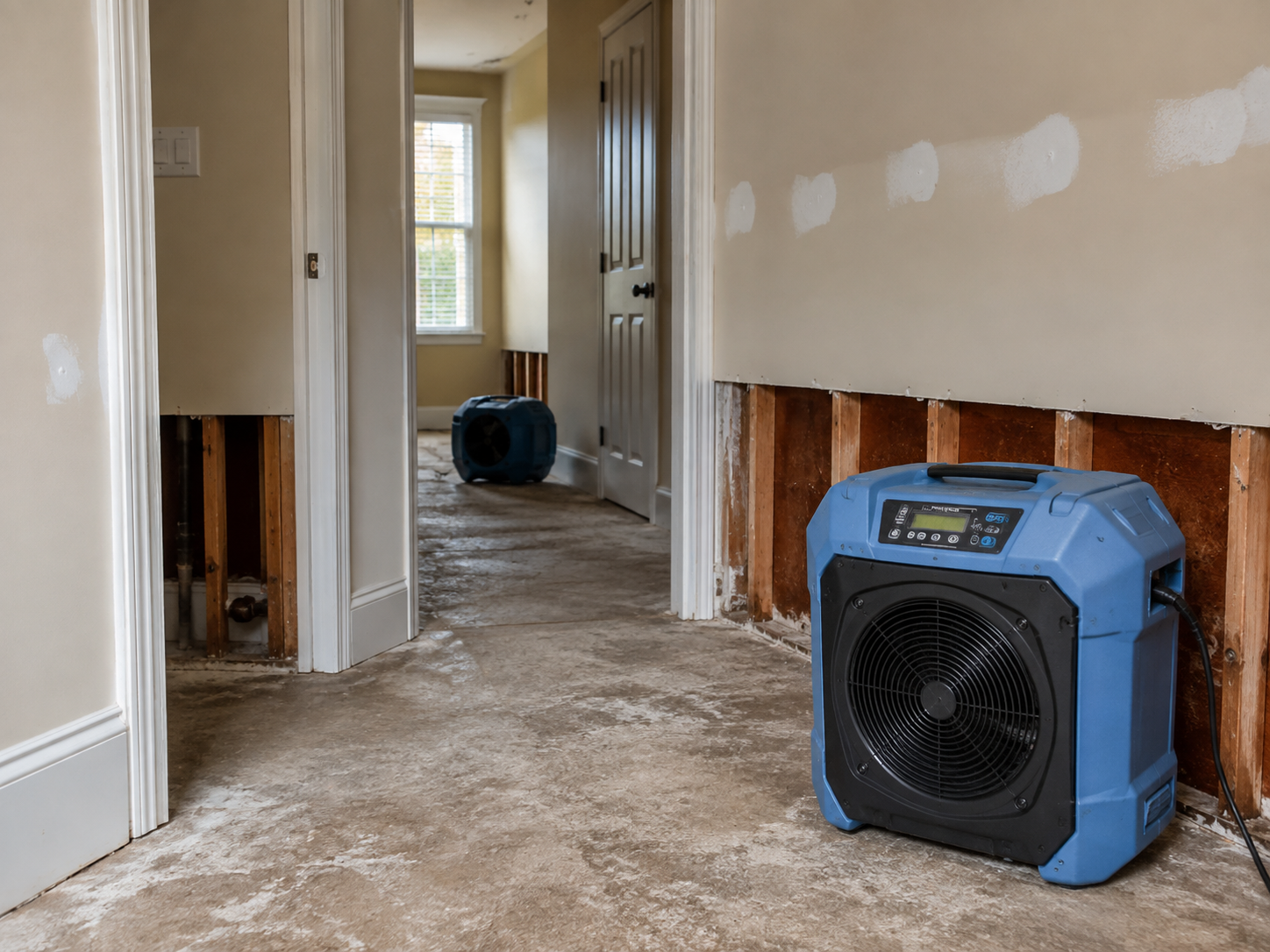
Where Does Mold Develop In Las Vegas Commercial Facilities?
Commercial facility mold cleanup should be planned around facility access, occupancy, operating schedules, maintenance activity, shared routes, equipment movement, and the materials actually involved. Some surfaces can be cleaned and retained, while damaged porous materials may need controlled removal. The work can include containment where appropriate, selective material removal, detailed surface cleaning, HEPA-supported air management, debris handling, moisture readings, drying support, and review of accessible areas exposed to the same moisture source.
Watermold Las Vegas helps organize cleanup by work area, floor, facility zone, moisture condition, and access requirement. A localized restroom leak may require focused work, while plumbing, roofing, drainage, or HVAC moisture can extend into several connected sections. The goal is to keep the scope tied to verified conditions, correct the moisture source, clean or remove affected materials as appropriate, support drying, and prepare completed areas for repair without assuming the entire facility is involved.
How Is Commercial Facility Mold Cleanup Organized In Las Vegas?
Commercial facility mold cleanup is organized around the affected zone, moisture source, occupancy, operating schedule, facility access, and material condition. The process can include focused assessment, controlled access, containment where appropriate, selective material removal, surface cleaning, HEPA-supported air management, debris control, moisture checks, drying support, phased scheduling, and repair preparation. The service cards below explain common facility cleanup needs while keeping every work area tied to verified conditions.
Common Commercial Facility Mold Areas
Work Area Mold Cleanup
Work area mold cleanup addresses mold found in offices, production rooms, service counters, or other active commercial spaces affected by leaks, condensation, or water intrusion. The cleanup plan defines the affected zone, separates nearby unaffected areas, evaluates damaged materials, and supports organized removal or cleaning. Moisture checks, drying, debris control, and repair preparation help facility teams understand what must be completed before the work area returns to normal use. This keeps facility decisions clear throughout.
Call NowShared Space Mold Cleanup
Shared space mold cleanup focuses on lobbies, waiting rooms, break areas, conference spaces, and other locations used by employees, visitors, or tenants. Because these areas often remain busy, cleanup requires clear work-zone boundaries and practical access planning. The process may include surface cleaning, selective material removal, moisture checks, debris control, drying, and preparation for repairs while unaffected portions of the shared space remain separated from the active cleanup area. This supports safer daily traffic planning.
Call NowRestroom Mold Cleanup
Restroom mold cleanup addresses growth around sinks, toilets, partitions, ceilings, walls, vanities, and plumbing areas exposed to recurring moisture. Leaks, poor ventilation, condensation, or damp drywall can create conditions that support mold. Cleanup is based on the materials involved and may include controlled removal, surface cleaning, moisture checks, drying, and repair preparation. The goal is to address the affected restroom area while correcting the moisture source that caused the problem. This supports cleaner restroom conditions.
Call NowCorridor Mold Cleanup
Corridor mold cleanup may be needed when roof leaks, plumbing problems, condensation, or moisture from adjoining rooms reaches hallway walls, ceilings, drywall, or flooring edges. Because corridors support daily movement through a facility, the work area should be clearly defined and managed. Cleanup can include selective material removal, cleaning retained surfaces, moisture checks, drying, debris control, and repair preparation while alternate access is maintained whenever the building layout allows. This helps maintain orderly facility movement.
Call NowStorage Area Mold Cleanup
Storage area mold cleanup addresses affected walls, ceilings, shelving surroundings, flooring edges, and building materials exposed to leaks, humidity, condensation, or long-term dampness. Stored contents and structural surfaces should be evaluated separately so the cleanup stays focused on confirmed building materials. The process can include controlled access, selective removal, surface cleaning, moisture checks, drying, debris management, and repair preparation while inventory or equipment is moved away from the active work zone. This keeps storage organized.
Call NowUtility Room Mold Cleanup
Utility room mold cleanup focuses on walls, ceilings, flooring edges, plumbing connections, service lines, and equipment-adjacent materials affected by leaks, condensation, or drainage problems. These spaces can contain several moisture sources, so the cleanup plan should follow the confirmed water path. Work may include controlled access, selective material removal, surface cleaning, moisture checks, drying, debris control, and repair preparation while essential equipment remains protected from unnecessary disturbance during the project. This helps maintenance coordinate repairs.
Call NowFacility Surfaces And Interior Sections
Mechanical Area Mold Cleanup
Mechanical area mold cleanup addresses confirmed mold or moisture around equipment rooms, piping routes, drain lines, ceilings, walls, and nearby building materials. Condensation or drainage issues can affect surrounding finishes without involving every mechanical component. Cleanup should stay limited to verified affected surfaces and may include selective removal, detailed cleaning, moisture checks, drying, debris control, and coordination with facility maintenance so source corrections can be completed before repairs close the area. This keeps coordination focused.
Call NowCeiling Mold Cleanup
Ceiling mold cleanup addresses growth or staining linked to roof leaks, plumbing lines, sprinkler systems, HVAC condensation, or moisture above suspended or finished ceilings. Hidden materials may remain damp even when the visible mark appears small. Cleanup can include selective ceiling removal, review of accessible cavities, surface cleaning, moisture checks, drying, debris control, and repair preparation after the source condition is corrected and the affected ceiling section is ready for restoration. This supports ceiling repairs.
Call NowWall Mold Cleanup
Wall mold cleanup is used when growth appears on drywall, wall coverings, trim, or concealed cavities affected by leaks, condensation, window intrusion, or repeated moisture. The visible surface may not show the full damp area behind the finish. Cleanup can include focused access, selective material removal, cleaning retained surfaces, moisture checks, drying, debris management, and repair preparation so the confirmed wall section is addressed without expanding the scope beyond verified conditions. This keeps repairs focused.
Call NowDrywall Mold Cleanup
Drywall mold cleanup may be required when porous wallboard stays wet, deteriorates, or develops mold that cannot be handled through surface cleaning alone. Opening the affected section can reveal framing, insulation edges, plumbing routes, or hidden moisture. The cleanup process may include controlled drywall removal, debris containment, cleaning of retained materials, HEPA-supported air management, moisture checks, drying, and repair preparation before new wallboard or finishes are installed in the completed area. This supports reconstruction planning.
Call NowWindow Area Mold Cleanup
Window area mold cleanup addresses growth around frames, sills, drywall returns, trim, and nearby finishes affected by condensation or exterior water intrusion. Moisture can recur when seals, drainage, weather exposure, or indoor humidity create damp conditions around the opening. Cleanup may include removing damaged porous materials, cleaning retained surfaces, checking moisture, supporting drying, and preparing the area for repairs after the source of water entry or condensation has been corrected. This helps prevent repeated dampness.
Call NowHVAC Area Mold Cleanup
HVAC area mold cleanup focuses on confirmed mold affecting building materials near air handlers, condensate lines, vents, ceiling openings, or mechanical closets. Condensation and drainage problems can wet nearby drywall, insulation, ceilings, or trim without showing damage immediately. Cleanup can include reviewing accessible surfaces, removing damaged material, cleaning retained areas, checking moisture, supporting drying, and coordinating source correction while avoiding claims that unrelated ductwork or equipment is affected without evidence. This keeps the scope evidence-based.
Call NowLeak Moisture And Cleanup Services
Post Leak Mold Cleanup
Post leak mold cleanup addresses building materials that remained damp after a plumbing, roof, sprinkler, appliance, or drainage problem. Even after visible water is gone, moisture can remain inside walls, ceilings, flooring transitions, cabinets, or utility spaces. Cleanup begins by following the confirmed moisture path and may include selective removal, surface cleaning, moisture checks, drying, debris control, and repair preparation once the source is corrected and the affected facility materials are stable. This supports repairs.
Call NowPlumbing Leak Mold Cleanup
Plumbing leak mold cleanup focuses on areas affected by broken lines, slow leaks, drain problems, supply connections, or fixtures that release water into walls, ceilings, cabinets, or flooring systems. The cleanup scope should follow the actual water path rather than nearby rooms automatically. Work can include access to affected materials, selective removal, surface cleaning, moisture checks, drying, debris control, and repair preparation after the plumbing issue has been identified and corrected. This supports repair planning.
Call NowRoof Leak Mold Cleanup
Roof leak mold cleanup addresses ceilings, upper walls, insulation edges, framing, and other interior materials affected when water enters through roofing or drainage components. Staining may appear in one location while moisture travels farther above the finish. Cleanup can include selective access, removal of damaged materials, surface cleaning, moisture checks, drying, debris control, and repair preparation after the roof source is corrected and the affected commercial facility area is sufficiently dry. This prepares for reconstruction.
Call NowCondensation Mold Cleanup
Condensation mold cleanup addresses materials affected by repeated moisture from cold surfaces, HVAC equipment, piping, windows, or poorly ventilated facility areas. Condensation can dampen ceilings, walls, trim, insulation, or nearby finishes without an obvious plumbing leak. Cleanup should include identifying the moisture pattern, removing unsalvageable materials when needed, cleaning retained surfaces, checking moisture, supporting drying, and correcting the condition that allows condensation to continue before damaged finishes are repaired. This helps reduce recurring moisture exposure.
Call NowHEPA Facility Cleaning
HEPA facility cleaning supports mold cleanup by helping capture fine airborne particles generated when affected materials are disturbed or removed. Air-management needs depend on the size of the work zone, the materials involved, containment, occupancy, and cleanup activities. HEPA vacuums or air filtration may be used as part of a broader remediation plan that also includes material decisions, surface cleaning, debris control, moisture checks, drying, and final preparation of the commercial facility area. when appropriate.
Call NowFacility Moisture Control
Facility moisture control focuses on finding and correcting conditions that allow building materials to remain damp after leaks, condensation, drainage problems, or water intrusion. Moisture checks can help define which walls, ceilings, flooring edges, utility spaces, or mechanical areas require closer review. Cleanup is more effective when the source is addressed, affected materials are dried or removed as appropriate, and repaired areas are not closed until moisture conditions are suitable for reconstruction. before repairs begin.
Call NowFacility Access And Management Support
Occupied Facility Mold Cleanup
Occupied facility mold cleanup is planned for commercial properties where employees, tenants, customers, or visitors may remain in unaffected areas during the project. Work zones should be clearly separated, access controlled, and debris movement organized around normal building activity. Depending on the scope, cleanup may include selective removal, surface cleaning, HEPA-supported air management, moisture checks, drying, and phased scheduling so the confirmed affected area can be addressed with less disruption to operations. during normal operations.
Call NowAfter Hours Mold Cleanup
After hours mold cleanup can help commercial facilities schedule disruptive work outside normal operating periods when access, noise, debris movement, or temporary area restrictions could interfere with daily activity. Evening or off-hour scheduling does not change the cleanup requirements. The affected zone still needs proper access control, material evaluation, selective removal when necessary, surface cleaning, moisture checks, drying support, debris management, and repair preparation based on verified conditions within the commercial facility. for occupied properties.
Call NowMulti Zone Mold Cleanup
Multi zone mold cleanup is used when confirmed moisture or mold affects more than one separated area of a commercial facility. Each room, corridor, floor, or utility section should be reviewed individually so unaffected spaces are not included without evidence. Cleanup can be organized in phases and may include access control, selective material removal, surface cleaning, moisture checks, drying, debris management, and repair preparation for each verified zone before work moves to the next area.
Call NowFacility Manager Support
Facility manager support helps organize mold cleanup around building access, maintenance schedules, tenant communication, work zones, equipment locations, and repair planning. Managers often need clear information about which areas are affected, what materials may require removal, and when spaces can move toward reconstruction. Coordination can include site access, scope review, moisture findings, cleanup sequencing, drying progress, and practical updates so decisions stay tied to verified conditions instead of assumptions about the entire property. throughout cleanup.
Call NowRepair Readiness Review
Repair readiness review helps determine whether a cleaned commercial facility area is prepared for reconstruction after affected materials have been removed or cleaned. The review can consider remaining debris, visible conditions, moisture levels, drying progress, accessible surfaces, and the correction of the original water source. This step helps reduce the chance of closing walls, ceilings, or finishes over damp materials and gives contractors clearer conditions for replacing drywall, trim, insulation, or other finishes. before reconstruction.
Call NowFacility Mold Assessment
Facility mold assessment helps define where visible growth, moisture damage, staining, odors, or damp materials are present before cleanup begins. The review should focus on actual building conditions, likely moisture sources, accessible affected surfaces, and the relationship between nearby rooms or systems. Findings can guide work-zone boundaries, material decisions, moisture checks, containment needs, cleanup sequencing, and repair planning without assuming hidden mold exists in areas that have not been inspected or supported by evidence. carefully.
Call NowWhy Address Commercial Facility Mold Early In Las Vegas?
Protect Facility Operations
Commercial facility mold cleanup should keep the active work zone separated from unaffected offices, shared spaces, corridors, storage areas, and operating sections whenever conditions allow. Clear boundaries, planned access, organized debris movement, and appropriate containment can reduce unnecessary disruption. These controls support the cleanup process while employees, tenants, vendors, or visitors use other parts of the property. The goal is to keep work focused on confirmed affected materials without expanding restrictions beyond what conditions require.
Correct Moisture Sources
Commercial mold cleanup is more effective when the moisture source is identified and corrected before repairs are completed. Roof leaks, plumbing failures, HVAC condensation, window intrusion, drainage problems, and persistent dampness can keep building materials wet after surface cleaning. Moisture checks help determine where additional drying or access may be needed. Correcting the source before closing walls or ceilings helps reduce the chance that repaired areas remain exposed to the same moisture condition. before reconstruction.
Coordinate Facility Access
Commercial facility cleanup often requires coordination with managers, maintenance teams, security, tenants, vendors, deliveries, and shared access routes. Clear scheduling can help define active work zones, restricted sections, equipment paths, drying periods, and repair readiness. Larger projects may be completed in phases or during lower-traffic hours when practical. Consistent communication helps authorized contacts understand which areas are being cleaned, drying, awaiting repairs, or available for normal use during each stage of the project. as scheduled.
Commercial Facility Mold Cleanup FAQs
Clear answers about commercial facility mold, work areas, shared spaces, leaks, HVAC moisture, occupied facilities, phased cleanup, drying, and what can happen after affected building materials are removed.
Get Commercial Facility Mold Cleanup Help In Las Vegas
Call Watermold Las Vegas to discuss mold in work areas, shared spaces, restrooms, corridors, storage rooms, utility zones, mechanical areas, walls, ceilings, drywall, windows, or HVAC-adjacent sections. The cleanup plan is based on confirmed conditions, affected materials, moisture source, facility access, occupancy, cleanup requirements, drying needs, and whether completed areas require repair preparation.