Commercial InteriorMold Remediation Las Vegas
Commercial interior mold remediation focuses on affected walls, ceilings, drywall, partitions, window surrounds, cabinets, flooring edges, utility rooms, mechanical closets, common areas, and HVAC-adjacent finishes. Watermold Las Vegas organizes work-zone isolation, material evaluation, selective removal, retained-surface cleaning, HEPA-supported air management, debris control, moisture checks, drying support, source correction coordination, and repair preparation while keeping the scope tied to confirmed interior conditions.
When Does Commercial Interior Mold Need Remediation In Las Vegas?
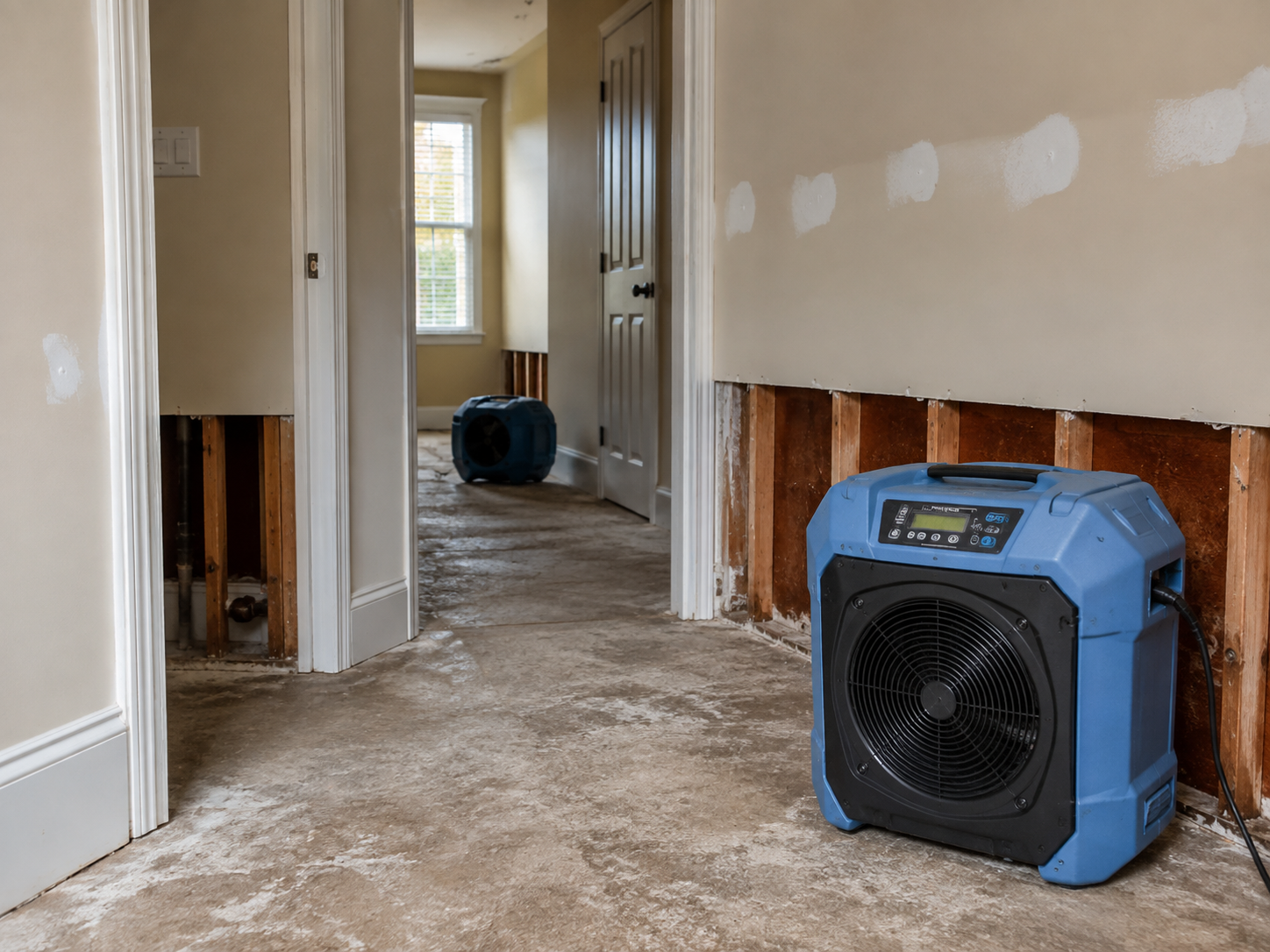
Commercial interior remediation should be organized around room use, occupancy, furnishings, equipment, access routes, and the material condition inside the work area. Some surfaces can be cleaned and retained, while damaged porous materials may need selective removal. Depending on the verified scope, the process can include containment, controlled access, material removal, retained-surface cleaning, HEPA-supported air management, debris handling, moisture readings, drying support, source correction coordination, and preparation for repair.
Watermold Las Vegas keeps the remediation scope tied to the conditions actually found inside the property. A localized wall cavity may need focused work, while a plumbing or HVAC moisture path can involve several connected interior sections. The goal is to control the work zone, address the moisture source, remove unsuitable materials, clean surfaces that can remain, verify drying, and prepare the completed interior area for the next repair step without extending the scope beyond confirmed conditions.
What Does Commercial Interior Remediation Include In Las Vegas?
Commercial interior mold remediation is organized around the affected material, moisture source, occupancy, access, room function, and condition of the surrounding finishes. The process can include focused assessment, work-zone isolation, controlled access, containment where appropriate, selective material removal, retained-surface cleaning, HEPA-supported air management, debris control, moisture checks, drying support, source correction coordination, phased scheduling, and repair preparation. Each step remains tied to confirmed interior conditions.
Interior Remediation Work Areas
Work Zone Remediation
Work zone remediation begins by defining the confirmed interior area that requires cleanup, removal, drying, or controlled access. The boundary should follow actual material and moisture conditions rather than extending across unaffected rooms. Depending on the scope, work can include containment where appropriate, selective material removal, retained-surface cleaning, HEPA-supported air management, debris control, moisture checks, drying support, and repair preparation. The completed zone is checked again before repairs begin and normal interior use resumes safely.
Call NowOffice Area Remediation
Office area remediation addresses confirmed mold or moisture affecting interior walls, ceilings, partitions, closets, built-in surroundings, and flooring edges. Work should be coordinated around furnishings, equipment, staff access, and nearby unaffected areas. Depending on material condition, remediation can include controlled access, selective removal, retained-surface cleaning, HEPA-supported air management, debris handling, moisture checks, drying support, and repair preparation. Final checks confirm office materials are dry, clean, stable, and ready for repair before regular staff access resumes.
Call NowCommon Area Remediation
Common area remediation focuses on shared lobbies, corridors, waiting spaces, stair access areas, and other interior zones used by multiple occupants. Because building traffic may continue nearby, the active work zone should be clearly defined. Remediation can include containment where appropriate, selective material removal, retained-surface cleaning, debris control, moisture checks, drying support, and repair preparation while unaffected pathways stay outside the confirmed work area. Final checks confirm the shared area is ready for normal traffic.
Call NowRestroom Area Remediation
Restroom area remediation addresses confirmed mold affecting drywall, ceilings, partitions, trim, wall cavities, and surfaces near sinks, toilets, or plumbing connections. Moisture can come from leaks, condensation, or repeated humidity. Work can include source review, selective material removal, retained-surface cleaning, debris control, moisture checks, drying support, and repair preparation while nearby interior areas remain separated from the active remediation zone. Final checks confirm restroom surfaces are dry, clean, and ready for repairs before use resumes.
Call NowBreakroom Area Remediation
Breakroom area remediation focuses on confirmed mold or damp materials around sink cabinets, walls, ceilings, appliance connections, flooring edges, and nearby finishes. Water can remain behind cabinetry or wall surfaces before becoming visible. Remediation can include focused access, selective removal, retained-surface cleaning, debris control, moisture checks, drying support, source correction coordination, and repair preparation while unaffected employee areas remain outside the active work zone. Final checks confirm the breakroom is ready for repair and use.
Call NowStorage Area Remediation
Storage area remediation addresses walls, ceilings, flooring edges, shelving surroundings, and other building materials affected by leaks, condensation, or long-term dampness. Stored contents should be handled separately from the confirmed building-material scope. Remediation can include controlled access, selective material removal, retained-surface cleaning, HEPA-supported air management, moisture checks, drying support, debris control, and repair preparation for the verified affected interior section. Final checks verify storage section is dry, clean, and ready for repair or continued access.
Call NowAffected Surfaces And Materials
Ceiling Remediation
Ceiling remediation addresses confirmed mold or moisture caused by roof leaks, plumbing lines, HVAC condensation, or water above finished or suspended ceilings. Hidden materials can remain damp even when visible staining appears limited. Work can include focused access, selective removal, review of accessible space above, retained-surface cleaning, debris control, moisture checks, drying support, source correction coordination, and repair preparation once the ceiling area is stable. Final moisture checks confirm ceiling area is ready for repair.
Call NowWall Remediation
Wall remediation addresses confirmed mold on drywall, wall coverings, trim, or inside accessible cavities affected by plumbing leaks, condensation, window intrusion, or repeated moisture. Surface staining may be smaller than the damp area behind the finish. Work can include controlled access, selective material removal, retained-surface cleaning, debris control, moisture checks, drying support, and repair preparation for the verified affected wall section. Final review confirms the wall cavity and retained materials are ready for repair work.
Call NowDrywall Remediation
Drywall remediation may be needed when porous wallboard remains wet, deteriorates, or develops mold that cannot be handled through surface cleaning alone. Opening the affected section can expose framing, plumbing routes, insulation edges, or hidden moisture. Work can include selective drywall removal, debris handling, retained-surface cleaning, HEPA-supported air management, moisture checks, drying support, source correction coordination, and repair preparation for the opened interior area. Final checks confirm opened area is dry and ready for repair.
Call NowPartition Remediation
Partition remediation addresses mold or moisture inside nonstructural divider walls, demountable partition areas, trim, and nearby finished surfaces. Leaks or condensation can affect porous materials behind the visible face of the partition. Work can include focused access, selective material removal, cleaning of retained surfaces, debris control, moisture checks, drying support, and repair preparation while unaffected adjoining interior sections remain outside the confirmed remediation zone. Final review confirms the partition is dry and ready for repair.
Call NowCabinet Area Remediation
Cabinet area remediation addresses sink bases, toe kicks, backs, side panels, shelving surrounds, and adjacent wall materials affected by plumbing leaks or trapped moisture. Breakrooms, restrooms, and utility areas can conceal wet finishes behind cabinetry. Work can include focused access, selective removal of damaged materials, retained-surface cleaning, moisture checks, drying support, debris control, source correction coordination, and preparation for cabinet or wall repair. Checks confirm cabinet materials are dry and ready for repair or replacement.
Call NowWindow Area Remediation
Window area remediation addresses confirmed mold around frames, sills, drywall returns, trim, and surrounding wall finishes affected by condensation or exterior water intrusion. Moisture can recur when seals, drainage, weather exposure, or interior humidity remain unresolved. Work can include selective material removal, retained-surface cleaning, moisture checks, drying support, review of the surrounding wall area, and repair preparation after the source condition is corrected. Final review confirms window area is dry and ready for interior repairs.
Call NowMoisture Source And Remediation Steps
Floor Edge Remediation
Floor edge remediation addresses confirmed mold or damp porous materials along baseboards, wall edges, underlayment transitions, and accessible perimeter areas after leaks or water migration. Moisture can move beneath finished flooring before appearing along an interior wall. Work can include focused access, selective removal, retained-surface cleaning, debris control, moisture checks, drying support, and repair preparation for the verified affected edge area. Final checks confirm perimeter is dry and ready for baseboard, flooring, or wall repairs.
Call NowUtility Room Remediation
Utility room remediation addresses walls, ceilings, flooring edges, plumbing connections, equipment-adjacent finishes, and materials affected by leaks, condensation, or drainage problems. Water lines and service connections can create hidden moisture paths behind interior finishes. Work can include controlled access, selective material removal, retained-surface cleaning, moisture checks, drying support, debris control, source correction coordination, and repair preparation for confirmed affected materials. Final review confirms utility room materials are dry and ready for repair or service access.
Call NowMechanical Closet Remediation
Mechanical closet remediation focuses on confirmed mold or moisture around accessible equipment, drain lines, piping routes, ceilings, walls, and nearby interior finishes. Condensation or drainage issues can affect building materials without meaning every mechanical component is involved. Work can include focused access, selective material removal, retained-surface cleaning, moisture checks, drying support, debris control, and source correction coordination within the verified work zone. Final checks confirm mechanical closet is dry and ready for repair or access.
Call NowHVAC Adjacent Remediation
HVAC-adjacent remediation addresses confirmed mold or moisture on ceilings, walls, closets, trim, or nearby finishes affected by condensation, drain problems, or localized water exposure. Finding mold near equipment does not automatically mean the entire system is involved. Work can include selective material removal, retained-surface cleaning, moisture checks, drying support, debris control, and coordination of the moisture-source correction within the affected interior area. Final review confirms nearby finishes are dry and ready for repair or use.
Call NowPost Leak Remediation
Post leak remediation addresses mold that develops after plumbing, roofing, sprinkler, equipment, or HVAC-related water reaches walls, ceilings, drywall, cabinets, flooring edges, or other interior materials. Even after visible water is gone, porous materials can remain damp. Remediation can include tracing the moisture path, selective removal, retained-surface cleaning, HEPA-supported air management, debris control, moisture checks, drying support, source correction coordination, and repair preparation. Final checks confirm affected materials are dry and prepared for repair work.
Call NowPlumbing Leak Remediation
Plumbing leak remediation can follow supply-line failures, drain problems, restroom leaks, sink leaks, utility connections, or concealed pipe issues inside commercial interiors. Water can travel through walls, ceilings, cabinets, and flooring transitions before becoming visible. Work can include focused access, selective removal of damaged porous materials, retained-surface cleaning, debris control, moisture checks, drying support, and review of nearby finishes so remediation follows the confirmed moisture path. Final review confirms plumbing area is dry and stable.
Call NowAccess Drying And Property Coordination
Roof Leak Remediation
Roof leak remediation focuses on interior ceilings, upper wall sections, drywall, insulation-adjacent areas, and other materials affected by water entering from above. Roof moisture can travel before becoming visible inside the building. Work can include reviewing the confirmed moisture path, opening damaged areas where needed, selective removal, retained-surface cleaning, moisture checks, drying support, source correction coordination, and repair preparation for the affected interior section. Final checks confirm upper section is dry and ready for repair.
Call NowCondensation Remediation
Condensation remediation addresses mold that develops near cooling equipment, drain lines, vents, pipes, windows, ceilings, walls, or other interior surfaces exposed to repeated moisture. Commercial interiors can develop localized condensation when drainage, temperature, or humidity conditions change. Work can include reviewing the affected area, selective material removal, retained-surface cleaning, moisture checks, drying support, and coordination of the condition that caused the recurring moisture. Final review confirms finishes are dry and ready for repair or use.
Call NowOccupied Interior Remediation
Occupied interior remediation requires planning around staff, tenants, visitors, furniture, equipment, deliveries, and normal property activity. The active work zone should be clearly defined so unnecessary traffic is limited during remediation. Depending on the scope, work can include containment, controlled access, selective material removal, retained-surface cleaning, debris management, moisture checks, drying support, and phased scheduling while unaffected areas remain outside the confirmed work zone. Final checks confirm the work zone is ready for normal access.
Call NowAfter Hours Remediation
After-hours remediation can help commercial interiors schedule disruptive work when tenant, staff, visitor, or delivery traffic is lower. Evening, overnight, weekend, or closed-day access may make equipment movement, containment setup, and debris routes easier to manage. Scheduling does not change the remediation steps required by the interior condition. The affected area still needs appropriate material decisions, cleaning, moisture review, drying, and repair preparation. Final review confirms scheduled area is ready for normal occupancy or repair.
Call NowPhased Interior Remediation
Phased interior remediation can be useful when several confirmed work areas require attention but unaffected sections must remain accessible. Work can be organized by room, corridor, suite, floor, or moisture path. Each phase can include controlled access, containment where appropriate, selective material removal, retained-surface cleaning, debris management, moisture checks, drying support, and repair preparation before work moves to another verified interior zone. Final checks confirm each phase is dry before work begins in another area.
Call NowInterior Mold Assessment
An interior mold assessment helps identify confirmed mold conditions, likely moisture sources, affected building materials, access needs, occupied-area considerations, and the practical remediation scope before work begins. The review can focus on walls, ceilings, drywall, partitions, cabinets, windows, floor edges, utility rooms, mechanical closets, or HVAC-adjacent finishes. It does not assume the entire building is affected and helps define where removal, cleaning, drying, or repair preparation may be needed. Findings support a focused remediation plan.
Call NowWhy Remediate Commercial Interior Mold Early In Las Vegas?
Limit Interior Disturbance
Commercial interior remediation should keep the active work zone separated from unaffected offices, common areas, corridors, storage spaces, furnishings, and nearby finished surfaces whenever conditions allow. Defined access, organized debris movement, containment where appropriate, and thoughtful staging can reduce unnecessary disturbance outside the confirmed area. These controls support the remediation process while keeping material removal, cleaning, drying, and repair preparation focused on verified affected interior materials. Final checks confirm the zone is ready for repairs.
Correct Moisture Conditions
Interior mold remediation is closely tied to the moisture condition that allowed materials to stay damp. Plumbing leaks, roof leaks, HVAC condensation, window intrusion, drainage problems, and hidden water can all affect interior finishes. Moisture review helps determine whether an area needs more drying, source correction, selective access, or material removal before repair. The remediation process should not be considered complete while the confirmed moisture source remains active. Dry conditions are confirmed before repairs begin.
Prepare For Repairs
Interior remediation should leave the completed work area ready for the next building step. After affected porous materials are removed and retained surfaces are cleaned, the area may still need drying, moisture verification, debris review, and confirmation that the original water condition has been corrected. Repair preparation helps avoid closing walls, ceilings, partitions, or cabinetry around materials that are still damp or around a moisture source that remains unresolved. Final moisture checks confirm repair readiness.
Commercial Interior Mold Remediation FAQs
Clear answers about interior remediation, affected materials, work zones, moisture sources, drywall, HVAC condensation, occupied spaces, drying, and what happens before interior repairs begin.
Get Commercial Interior Remediation Help In Las Vegas
Call Watermold Las Vegas to discuss confirmed mold or moisture affecting interior walls, ceilings, drywall, partitions, cabinets, windows, flooring edges, storage areas, utility rooms, mechanical closets, or HVAC-adjacent finishes. The remediation plan is based on affected materials, moisture source, interior access, occupancy, work-zone needs, drying requirements, retained surfaces, and whether completed areas need repair preparation.