MEDICAL FACILITY MOLD REMOVALLAS VEGAS
Medical facility mold removal focuses on exam rooms, waiting areas, administrative offices, restrooms, staff areas, supply rooms, corridors, walls, ceilings, drywall, windows, and HVAC-adjacent spaces affected by leaks, condensation, humidity, or water intrusion. Watermold Las Vegas helps organize affected-area review, controlled access, selective material removal, surface cleaning, HEPA-supported air management, debris control, moisture checks, drying support, and repair preparation while helping facility managers coordinate mold work around unaffected parts of the property.
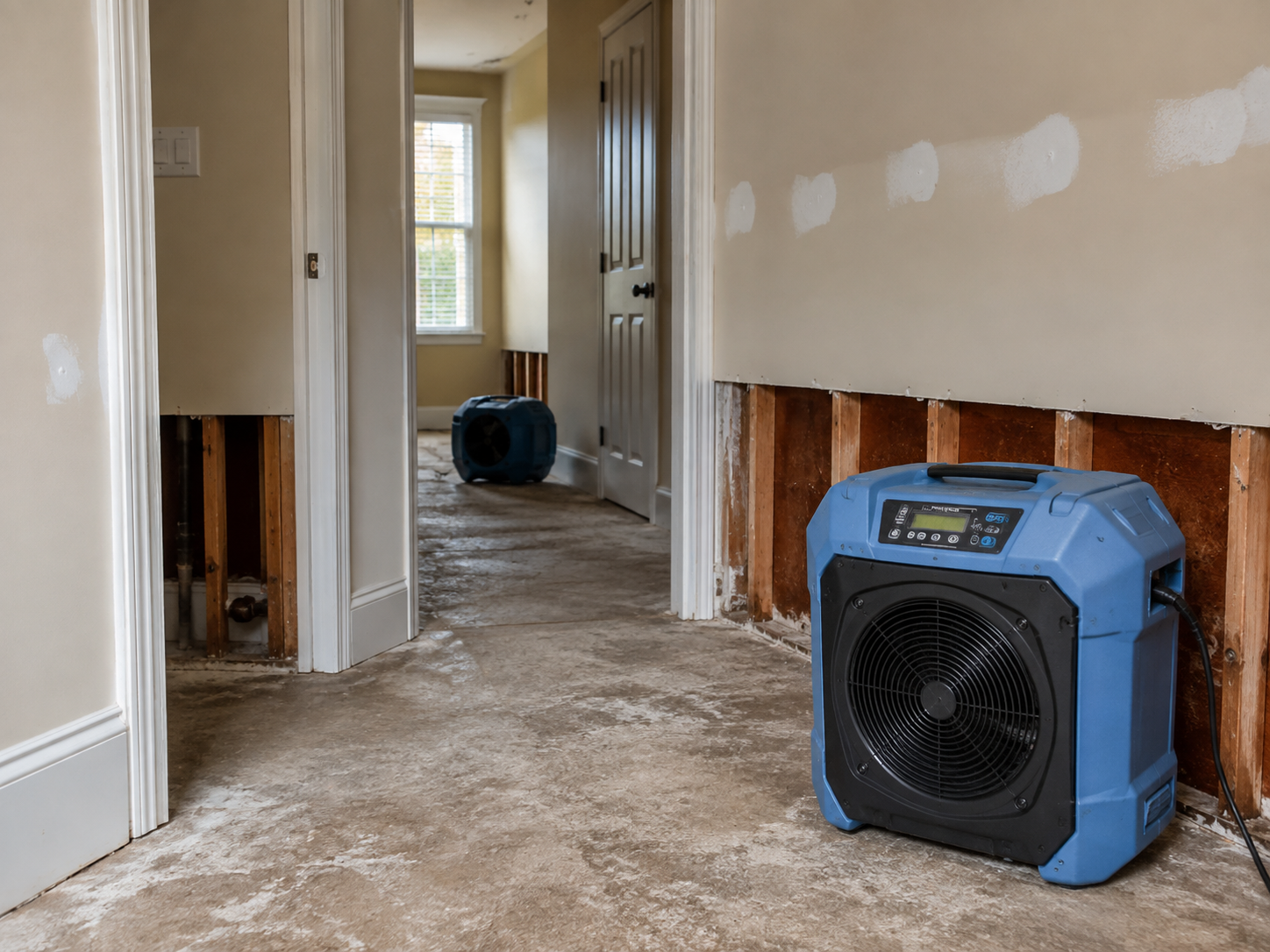
Where Does Mold Develop In Medical Facilities In Las Vegas?
Medical facility mold removal should be planned around patients, staff, appointments, equipment, access routes, and the materials actually involved. Some surfaces can be cleaned and retained, while damaged porous materials may need controlled removal. The work can include containment where appropriate, selective material removal, detailed surface cleaning, HEPA-supported air management, debris handling, moisture readings, drying support, and review of nearby building areas that may have been exposed to the same leak or moisture source.
Watermold Las Vegas helps facility managers organize mold removal by room, corridor, work zone, and moisture condition. A small restroom or office issue may require focused cleanup, while a roof, plumbing, or HVAC problem can affect several connected sections. The goal is to keep the scope tied to confirmed conditions, protect unaffected spaces, address the moisture source, clean or remove affected building materials, and prepare completed areas for repair or normal facility use when appropriate.
What Is Included In Medical Facility Mold Removal In Las Vegas?
Medical facility mold removal is organized around the affected building area, moisture source, room use, staff access, operating schedules, and material condition. The process can include focused assessment, controlled access, containment where appropriate, selective material removal, surface cleaning, HEPA-supported air management, debris control, moisture checks, drying support, phased scheduling, and repair preparation. The service cards below explain common medical-facility mold-removal needs while keeping each work zone tied to verified building conditions.
Common Medical Facility Mold Areas
Exam Room Mold Removal
Exam room mold removal addresses visible growth, staining, or damp materials on walls, ceilings, drywall, cabinets, trim, and nearby building surfaces. Cleanup begins by defining the confirmed affected area and coordinating access around room use. Work can include selective material removal, detailed surface cleaning, HEPA-supported air management, debris control, moisture checks, drying support, and repair preparation while helping facility staff keep unaffected rooms and corridors separate from the active work zone. Final review helps the.
Call NowWaiting Area Mold Removal
Waiting area mold removal focuses on walls, ceilings, window surrounds, flooring edges, and other building materials affected by leaks, condensation, or moisture from adjoining spaces. Because these areas handle regular traffic, cleanup should be carefully scheduled and clearly separated. Work can include selective removal, surface cleaning, HEPA-supported air management, debris control, moisture checks, drying support, and repair preparation while helping the facility maintain organized access through unaffected areas during the active project. This keeps nearby.
Call NowMedical Office Mold Removal
Medical office mold removal addresses mold in administrative rooms, consultation spaces, file areas, ceilings, walls, closets, and HVAC-adjacent locations within healthcare properties. Office sections may share plumbing, roof, or cooling systems with other facility areas. Work can include focused assessment, controlled access, selective material removal, surface cleaning, HEPA-supported air management, moisture checks, drying support, and repair preparation while helping keep unaffected office functions separate from the confirmed mold-removal work area. Final checks help administrative areas.
Call NowMedical Restroom Mold Removal
Medical restroom mold removal addresses growth around sinks, toilets, ceilings, drywall, partitions, trim, and plumbing areas where humidity, leaks, or repeated moisture can affect finished materials. Cleanup begins with a review of visible conditions and the likely moisture source. Work can include selective removal, detailed surface cleaning, debris control, moisture checks, drying support, and repair preparation while helping keep nearby corridors, offices, and other unaffected facility areas organized around the active work zone. This supports.
Call NowStaff Room Mold Removal
Staff room mold removal focuses on sink cabinets, walls, ceilings, appliances, flooring edges, and other surfaces affected by leaks, condensation, spills, or hidden moisture. Shared employee areas may require careful scheduling to limit disruption. Work can include focused access, selective material removal, surface cleaning, HEPA-supported air management, debris control, moisture checks, drying support, and repair preparation so the affected room can move toward normal staff use after the building materials are cleaned and dried. Final.
Call NowSupply Room Mold Removal
Supply room mold removal addresses walls, ceilings, shelving surroundings, flooring edges, and building materials affected by roof leaks, plumbing problems, condensation, or long-term dampness. Cleanup should focus on confirmed building surfaces while stored supplies are handled separately according to facility procedures. Work can include controlled access, selective removal, surface cleaning, moisture checks, drying support, debris control, and repair preparation while keeping unaffected storage sections organized and accessible outside the defined mold-removal work zone. This keeps.
Call NowFacility Surfaces And Building Areas
Corridor Mold Removal
Corridor mold removal can be needed after roof leaks, plumbing problems, condensation, or moisture from adjoining rooms reaches walls, ceilings, drywall, or flooring edges. Corridors are shared travel areas, so access and debris movement should be carefully organized. Work can include identifying the affected section, selective material removal, cleaning retained surfaces, moisture checks, drying support, and repair preparation while helping staff maintain alternate access around the confirmed cleanup zone whenever the facility layout allows. Final.
Call NowCeiling Mold Removal
Medical facility ceiling mold removal addresses growth or staining caused by roof leaks, plumbing lines, HVAC condensation, or moisture above finished or suspended ceilings. Hidden materials can remain damp even when the visible mark appears limited. Cleanup can include selective removal, review of the space above, surface cleaning, debris control, moisture checks, drying support, and preparation for repair once the source condition is corrected and the affected ceiling area is stable enough for the next.
Call NowWall Mold Removal
Medical facility wall mold removal is used when growth appears on drywall, wall coverings, trim, or concealed cavities affected by leaks, condensation, or repeated moisture. Surface staining can be smaller than the damp area behind the finish. Work can include focused access, selective material removal, cleaning retained surfaces, debris control, moisture checks, drying support, and repair preparation while keeping nearby rooms and corridors separated from the active work area whenever the property layout allows. Final.
Call NowDrywall Mold Removal
Medical facility drywall mold removal may be needed when porous wallboard stays wet, deteriorates, or develops mold that cannot be addressed through surface cleaning alone. Opening the affected section can reveal framing, plumbing, insulation edges, or hidden moisture. Work can include controlled drywall removal, debris handling, cleaning retained materials, HEPA-supported air management, moisture checks, drying support, and repair preparation for exam rooms, offices, restrooms, corridors, storage rooms, or other finished facility areas. This prepares the.
Call NowHVAC Area Mold Removal
HVAC area mold removal focuses on confirmed mold or moisture around accessible air handlers, drain pans, vents, ceilings, walls, and equipment closets. Condensation or drainage problems can affect nearby building materials without meaning the entire system is involved. Work can include reviewing the visible area, removing damaged materials, cleaning accessible surfaces, checking moisture, supporting drying, and coordinating source correction so cleanup remains limited to verified medical-facility building areas and does not assume broader system involvement.
Call NowWindow Area Mold Removal
Window area mold removal addresses growth around frames, sills, drywall returns, trim, waiting-area walls, and nearby finishes affected by condensation or exterior water intrusion. Facility windows can develop recurring moisture when seals, drainage, weather exposure, or indoor humidity create damp conditions. Cleanup can include removing damaged porous material, cleaning retained surfaces, checking moisture, supporting drying, and reviewing the surrounding wall area before repaired finishes are installed around the confirmed affected opening. Final review supports repair.
Call NowLeak Moisture And Cleanup Services
Post Leak Mold Removal
Post leak medical mold removal addresses growth that develops after plumbing, roofing, sprinkler, equipment, or HVAC-related water reaches walls, ceilings, offices, exam rooms, corridors, or storage spaces. Even after visible water is gone, porous building materials can remain damp. Cleanup can include tracing the affected path, selective removal, surface cleaning, HEPA-supported air management, debris control, moisture checks, drying support, and preparing damaged sections for repair after the source condition has been corrected. This helps the.
Call NowPlumbing Leak Mold Removal
Plumbing leak mold removal can follow sink leaks, supply-line failures, drain problems, restroom leaks, utility connections, or concealed pipe issues inside medical facilities. Water can travel through walls, ceilings, cabinets, and flooring transitions before becoming visible. Work can include focused access, removal of damaged porous material, surface cleaning, debris control, moisture checks, drying support, and review of nearby finishes so cleanup follows the actual moisture path instead of only the first visible stain. Nearby materials.
Call NowRoof Leak Mold Removal
Roof leak mold removal focuses on ceilings, upper wall areas, insulation, offices, exam rooms, storage spaces, and other building materials affected by water entering from above. Roof leaks can travel before becoming visible indoors. Cleanup can include reviewing the moisture path, opening damaged areas where needed, removing unsuitable materials, cleaning retained surfaces, checking moisture, supporting drying, and preparing the affected section for repair after the roof source has been addressed and nearby materials are stable.
Call NowAC Condensation Mold Removal
AC condensation mold removal addresses mold that develops near air handlers, drain lines, vents, ceilings, walls, and other surfaces affected by repeated condensation. Medical facilities may operate cooling systems for long periods, making drainage and moisture control important. Work can include reviewing the confirmed area, removing damaged material, cleaning accessible surfaces, checking moisture, supporting drying, and coordinating correction of the condensation source before repaired finishes are closed around the affected building area. Final review supports.
Call NowHEPA Facility Cleaning
HEPA-supported facility cleaning can help capture fine airborne and settled particles during or after mold-removal work in exam rooms, offices, storage areas, corridors, or other affected spaces. Equipment use depends on work-zone size, material disturbance, containment, and confirmed scope. HEPA cleaning supports the broader removal process but does not replace material decisions, surface cleaning, debris removal, moisture correction, or drying. It is one controlled step within an organized medical-facility mold cleanup process. Cleanup remains focused.
Call NowFacility Moisture Control
Medical facility moisture control helps address conditions that allow mold to continue or return after cleanup. Roof leaks, plumbing problems, HVAC condensation, window intrusion, wet drywall, and damp ceiling materials can all affect healthcare buildings. Moisture checks can identify areas needing continued drying, source correction, or further access. The goal is to avoid closing walls, ceilings, or repaired finishes while damp conditions remain behind or around the cleaned work area and before final building repairs.
Call NowMedical Facility Operations And Support
Occupied Facility Mold Removal
Occupied medical facility mold removal requires planning around patients, staff, appointments, deliveries, equipment access, and normal property operations. The affected work zone should be clearly defined so unnecessary traffic is limited during cleanup. Depending on the scope, work can include containment, controlled access, selective removal, surface cleaning, debris management, moisture checks, drying support, and phased scheduling. The goal is to address confirmed mold conditions while minimizing unnecessary disruption to unaffected building areas whenever practical. Unaffected.
Call NowAfter Hours Mold Removal
After-hours mold removal can help medical facilities schedule disruptive cleanup steps when patient, staff, and visitor traffic is lower. Evening, overnight, or closed-day access may make it easier to manage equipment movement, debris routes, or work near shared corridors. Scheduling does not change the mold-removal steps required by the property condition. The affected area still needs controlled access, material decisions, cleaning, moisture review, drying support, and preparation before the space returns to routine use. Reopening.
Call NowEquipment Area Mold Cleanup
Equipment area mold cleanup addresses affected building materials around sinks, cabinets, service connections, utility areas, and fixed equipment where leaks or condensation reach nearby walls, ceilings, or floors. The work focuses on accessible building surfaces rather than assuming equipment itself is affected. Cleanup can include controlled access, selective material removal, surface cleaning, debris control, moisture checks, drying support, and review of hidden areas exposed by the confirmed moisture source before repairs proceed. Final checks support.
Call NowFacility Area Protection
Facility area protection helps separate active mold-removal work from unaffected exam rooms, offices, corridors, storage spaces, and staff areas whenever practical. The approach depends on building layout, operating schedules, access points, and the location of affected materials. Protection can include defined work boundaries, controlled pathways, organized equipment staging, and planned debris routes. These steps support cleaner work but do not replace material removal, surface cleaning, moisture correction, or drying within the confirmed affected area. The.
Call NowFacility Manager Mold Support
Facility manager mold support helps coordinate access, maintenance follow-up, affected-area tracking, cleanup status, drying, repair readiness, and communication across the property. Clear organization is useful when multiple rooms, departments, or vendors are involved. Mold work can be documented by location and stage so management can understand which areas remain active, which are drying, which need repair preparation, and which spaces can return to routine building use after the confirmed work is reviewed. Managers receive clearer.
Call NowMedical Mold Assessment
A medical facility mold assessment helps identify confirmed mold conditions, likely moisture sources, affected building materials, access needs, operating considerations, and the practical scope of removal work before cleanup begins. The review can focus on exam rooms, offices, restrooms, storage spaces, ceilings, walls, windows, or HVAC-adjacent areas. It does not assume the entire facility is affected. Instead, the assessment helps define where removal, cleaning, moisture checks, drying, or repair preparation may be needed. Planning stays.
Call NowWhy Address Medical Facility Mold Early In Las Vegas?
Protect Unaffected Areas
Medical facility mold removal should keep the active work zone separated from unaffected exam rooms, offices, corridors, storage spaces, and staff areas whenever conditions allow. Defined access, organized debris movement, containment where appropriate, and thoughtful staging can reduce unnecessary contact with nearby building areas. These controls do not replace removal or cleaning, but they help keep the project focused on confirmed affected materials while other parts of the property remain organized. Final review supports orderly.
Address Moisture Sources
Mold in medical facilities is closely connected to roof leaks, plumbing problems, HVAC condensation, window intrusion, and damp building materials. Reviewing moisture during removal helps determine whether an area needs more drying, access, repair, or source correction before finishes are replaced. This prevents cleanup from being treated as complete while the underlying moisture condition remains active behind walls, above ceilings, near equipment, or inside concealed building areas. Final checks support dry conditions before repaired finishes.
Support Facility Operations
Medical facility mold projects often require coordination with managers, staff, maintenance teams, appointment schedules, deliveries, and shared access routes. Clear staging, phased work zones, after-hours options, debris routes, drying periods, and repair readiness checks can help cleanup fit around ongoing operations. The removal plan should remain tied to confirmed conditions, while communication helps facility teams understand which areas are active, drying, restricted, or ready to return to routine use. This helps reduce unnecessary disruption across.
Medical Facility Mold Removal FAQs
Clear answers about medical-facility mold, exam rooms, offices, plumbing leaks, HVAC moisture, drywall, ceilings, occupied properties, after-hours cleanup, drying, and what can happen after affected building materials are removed.
Get Medical Facility Mold Removal Help In Las Vegas
Call Watermold Las Vegas to discuss mold in exam rooms, waiting areas, offices, restrooms, staff rooms, storage spaces, corridors, walls, ceilings, drywall, windows, HVAC-adjacent areas, or other medical-facility locations. The removal plan is based on confirmed conditions, affected building materials, moisture source, access needs, operating schedules, cleanup requirements, drying needs, and whether the completed area requires repair preparation before returning to routine use.