MOLD ABATEMENTLAS VEGAS
Mold abatement focuses on reducing and removing mold-affected conditions while controlling how the work area is handled. Watermold Las Vegas helps organize abatement for homes and businesses with visible growth, damp building materials, musty odors, leak-related damage, and concealed moisture. Work can include affected-area review, containment, selective material removal, HEPA-supported cleaning, debris control, moisture checks, drying support, and practical steps that help keep unaffected areas separated while the mold condition is addressed.
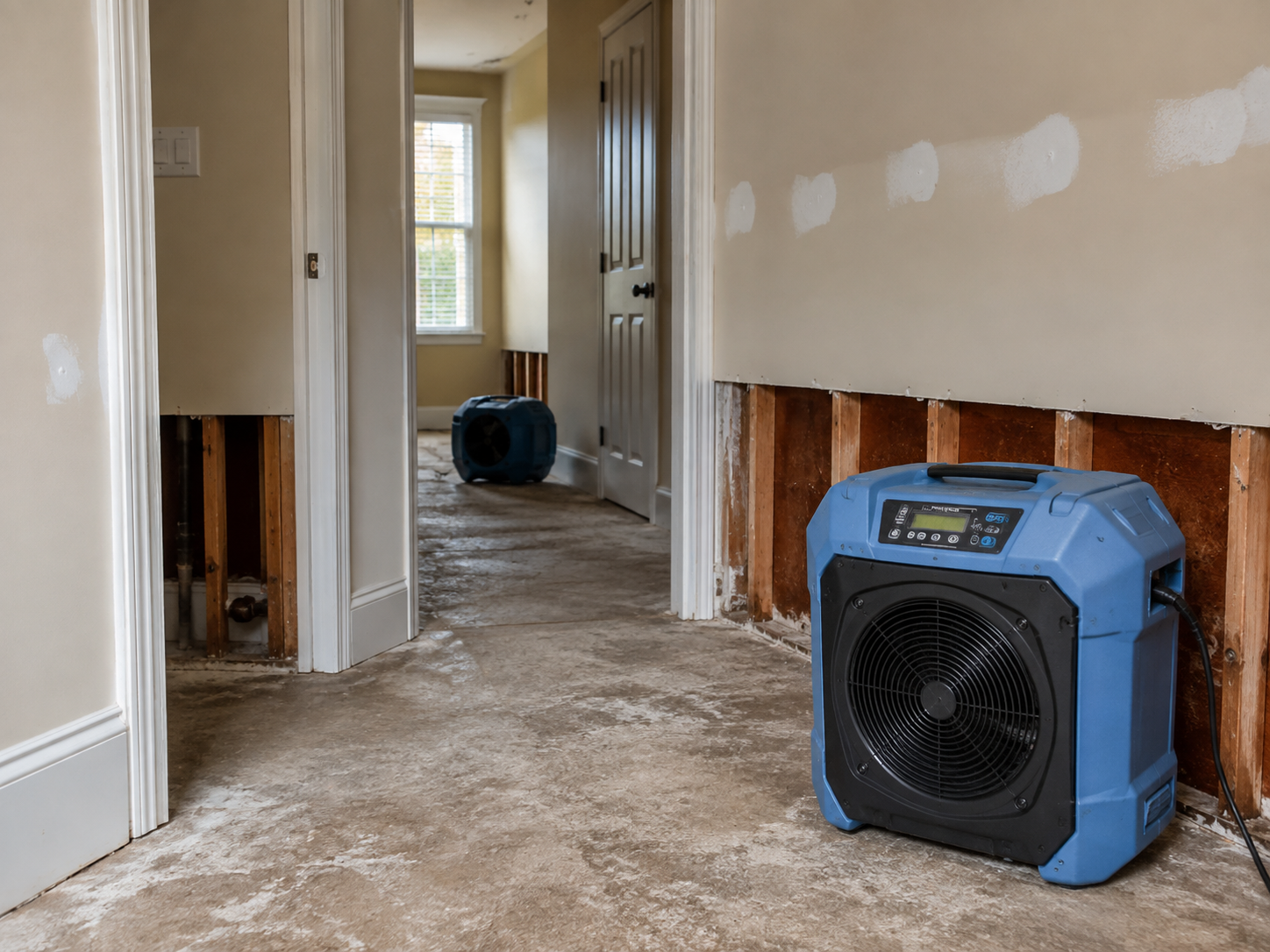
How Does Mold Abatement Work In Las Vegas?
The abatement process can include setting up containment, controlling access, removing materials that cannot reasonably remain, cleaning suitable surfaces, using HEPA-supported air management where appropriate, clearing debris, and checking moisture conditions. The exact sequence depends on the size and location of the affected area, the type of materials present, and whether leaks, condensation, humidity, or another moisture source still needs correction.
Watermold Las Vegas provides mold abatement support for homes, apartments, condos, rental properties, offices, and commercial spaces throughout the established service area. The goal is to make the work organized, understandable, and focused on the actual mold condition without overstating the scope. Each project is handled according to what is visible, what is accessible, and what needs to be cleaned, removed, dried, or reviewed before the area can move forward.
What Is Included In Mold Abatement Services In Las Vegas?
Mold abatement is organized around controlling the affected area, reducing the chance of unnecessary spread, removing materials that cannot remain, cleaning surfaces that can be retained, and addressing moisture conditions that support continued growth. Depending on the property, work may include inspection of visible conditions, containment setup, controlled access, selective removal, HEPA-supported cleaning, debris handling, drying support, moisture checks, and preparation of the area for the next appropriate step. The service cards below explain common parts of the abatement process.
Abatement Assessment And Scope
Affected Area Review
An affected area review identifies where mold is visible, where moisture may be present, and which materials appear involved. The review can include walls, ceilings, cabinets, trim, flooring edges, attic areas, and other accessible surfaces. Defining the affected area before work begins helps keep the abatement focused and makes it easier to decide where containment, removal, cleaning, moisture checks, or additional access may be needed.
Call NowAbatement Scope Planning
Abatement scope planning organizes the work before materials are disturbed. The plan considers the size of the affected area, nearby occupied spaces, access points, material types, visible contamination, and the likely moisture source. A clear scope helps determine which areas should be isolated, which materials may need removal, what surfaces can be cleaned, and what drying or moisture-control steps may be required during the project.
Call NowMoisture Source Review
A moisture source review looks for the condition that allowed mold growth to develop. Plumbing leaks, roof leaks, AC condensation, bathroom humidity, window intrusion, wet building materials, and poor ventilation can all contribute. Mold abatement is more useful when the underlying moisture issue is identified, because cleaning or removal alone does not prevent damp conditions from continuing behind walls, above ceilings, or around other concealed areas.
Call NowMaterial Condition Check
A material condition check helps determine whether affected drywall, insulation, trim, wood, cabinets, or other building materials can remain or may need removal. Porous materials that are heavily affected, deteriorated, or difficult to clean can require a different approach from stable nonporous or semi-porous surfaces. Reviewing material condition keeps the abatement plan tied to what is actually present instead of using the same method everywhere.
Call NowHidden Area Review
Hidden area review is useful when staining, odor, past leaks, or moisture readings suggest a problem behind finished surfaces. Wall cavities, ceiling spaces, cabinet backs, attic areas, and other concealed locations can hold damp materials that are not obvious from the room. Focused access can help determine whether mold extends beyond the visible surface and whether the abatement area needs to be adjusted.
Call NowWork Sequence Planning
Work sequence planning puts the abatement steps in a practical order so the project stays organized. Containment and access controls are established first where needed, followed by selective material removal, surface cleaning, debris management, moisture review, drying support, and final condition checks. A planned sequence reduces unnecessary movement through the work area and helps prevent completed cleaning steps from being disrupted by later demolition or debris handling.
Call NowContainment And Work Area Control
Containment Setup
Containment setup separates the active mold work area from nearby rooms or unaffected spaces. The exact setup depends on the size, layout, access points, and materials involved. Barriers can help define where work is taking place, limit casual entry, and support cleaner removal and cleanup. Containment is one part of the abatement process and works together with controlled access, debris handling, cleaning, and air-management practices.
Call NowControlled Access
Controlled access limits unnecessary movement into and out of the abatement area while work is active. This can help reduce traffic through the work zone and makes it easier to manage tools, bags, debris, and cleaning steps in a consistent way. Access planning is especially useful in occupied homes, apartments, offices, and commercial properties where unaffected rooms may remain in normal use during part of the project.
Call NowAdjacent Area Protection
Adjacent area protection focuses on nearby floors, furniture, doorways, pathways, and finishes that are outside the main abatement zone. The goal is to keep surrounding spaces organized and reduce unnecessary contact with work debris. Protection needs depend on the layout and how materials will be moved. Thoughtful preparation can also make final cleanup easier once affected materials and equipment have been removed.
Call NowHEPA Air Support
HEPA-supported air management can help capture fine airborne particles generated during certain mold-abatement activities. The need for air filtration depends on the room, the amount of material being disturbed, and the cleanup method. HEPA equipment supports containment and cleaning but does not replace material removal, surface cleaning, source-moisture correction, or drying. It is one tool used as part of a broader controlled work process.
Call NowDebris Route Control
Debris route control plans how removed materials will leave the work area without unnecessary movement through clean spaces. Bagging, staging, and exit paths can be organized around the property layout and the amount of material being removed. A defined route helps keep hallways, floors, and nearby rooms more orderly while drywall, insulation, trim, cabinet material, or other mold-affected debris is transported out of the building.
Call NowWork Zone Cleanup
Work zone cleanup removes loose dust, small material fragments, and residue created during abatement activities. Floors, ledges, exposed framing, and other accessible surfaces may require detailed cleaning before containment is taken down or the space moves to the next stage. This cleanup supports a more controlled finish to the project and helps property owners see what areas remain open, dry, clean, or ready for additional work.
Call NowRemoval Cleaning And Moisture Control
Selective Material Removal
Selective material removal targets mold-affected materials that cannot reasonably remain in place while avoiding unnecessary demolition beyond the defined work area. Drywall, insulation, trim, cabinet components, or other porous materials may require removal depending on their condition. The objective is to expose and clear the affected section while preserving sound surrounding materials whenever practical and maintaining an organized abatement area throughout the process.
Call NowSurface Cleaning
Surface cleaning addresses remaining materials that can stay after damaged or unsuitable components have been removed. The cleaning method depends on the material, accessibility, visible condition, and amount of residue present. Exposed framing, hard surfaces, and nearby retained materials may need detailed cleaning before the area is considered ready for moisture checks, drying, final review, or the next repair stage.
Call NowHEPA Final Cleaning
HEPA-supported final cleaning can help capture fine settled particles after removal and other abatement work is complete. Vacuums and cleaning methods should be matched to the surfaces and condition of the area. Final cleaning is intended to support a cleaner work zone before containment is removed or the space moves forward. It works best when loose debris has already been cleared and affected materials have been addressed.
Call NowMoisture Checks
Moisture checks help determine whether walls, ceilings, framing, cabinets, flooring edges, or other materials remain damp after the visible mold condition has been addressed. Surface appearance alone may not show what is happening inside a cavity or porous material. Checking moisture supports decisions about continued drying, source correction, and whether the area is ready for closure, repair preparation, or further review.
Call NowDrying Support
Drying support may be needed when building materials remain damp after a leak, condensation issue, or other moisture event. Air movement and drying time depend on the materials, temperature, airflow, access, and the source of moisture. Abatement should not end with surfaces still wet. Supporting the drying process helps reduce the damp conditions that can allow mold growth to continue or return in the affected area.
Call NowOdor Condition Review
An odor condition review is useful when musty smells remain after visible mold or damaged materials have been addressed. Persistent odor can point to damp materials, concealed debris, a missed cavity, or an unresolved moisture source. Reviewing the odor before the area is closed can help identify whether more cleaning, access, drying, or material removal is needed instead of simply covering the smell with new finishes.
Call NowProperty Mold Abatement Services
Home Mold Abatement
Home mold abatement can address affected bathrooms, kitchens, bedrooms, laundry rooms, closets, garages, attics, and other living areas where leaks or humidity have created mold conditions. Work is based on the actual materials and moisture involved. The process can include containment, selective removal, cleaning, HEPA-supported air management, debris control, moisture checks, and drying support while keeping unaffected parts of the home as organized as possible.
Call NowApartment Mold Abatement
Apartment mold abatement can help tenants, landlords, and property managers address mold in bathrooms, kitchens, HVAC closets, wall cavities, ceilings, and leak-affected finishes. Multi-unit properties often require clear access planning and communication so the work stays focused on the serviced unit and confirmed affected areas. Containment, debris handling, cleaning, moisture review, and drying can be coordinated around occupancy and property-management needs.
Call NowCondo Mold Abatement
Condo mold abatement focuses on mold-affected areas within the serviced unit, including walls, ceilings, cabinets, bathrooms, and locations near plumbing or AC moisture. Shared walls and neighboring units can require separate evaluation when relevant. Within the confirmed work area, abatement can include containment, selective material removal, surface cleaning, HEPA-supported air management, moisture checks, and drying support before the space moves forward.
Call NowRental Property Abatement
Rental property mold abatement helps owners and managers organize mold work during occupancy or between tenants. The process can address leak-related drywall, bathroom moisture, cabinet damage, musty odors, attic concerns, and other affected materials. A clear sequence of containment, removal, cleaning, drying, and moisture review helps property managers coordinate access, communicate the scope, and prepare the area for the next maintenance or repair step.
Call NowOffice Mold Abatement
Office mold abatement can address ceiling areas, restrooms, storage rooms, break rooms, workspaces, and walls affected by leaks, condensation, or prolonged moisture. The work plan can account for employees, equipment, furniture, walkways, and business operations. Containment, controlled access, selective removal, cleaning, debris handling, moisture checks, and drying can be organized to limit unnecessary disruption to unaffected sections of the workplace.
Call NowCommercial Mold Abatement
Commercial mold abatement supports retail spaces, offices, warehouses, service businesses, and mixed-use properties dealing with mold-affected materials or recurring moisture conditions. Larger properties may need phased containment, multiple work zones, planned debris routes, and coordinated drying. The scope can be organized around the actual affected areas so cleanup, removal, moisture review, and follow-up preparation can proceed without treating the entire property as one work zone.
Call NowWhy Is A Controlled Abatement Process Important In Las Vegas?
Limit Unnecessary Spread
Abatement work can disturb mold-affected drywall, insulation, trim, cabinets, and other materials. Containment, controlled access, planned debris routes, and organized cleaning help keep the active work focused on the defined area. These steps do not replace removal or moisture correction, but they support a cleaner process and reduce unnecessary movement of debris through unaffected rooms.
Address Affected Materials
Different materials respond differently to mold and moisture. Some stable surfaces may be cleaned, while deteriorated or heavily affected porous materials may need removal. A controlled abatement process reviews the condition first, then uses selective removal and detailed cleaning instead of assuming every surface should be treated the same way. This keeps the work tied to the actual property condition.
Correct Damp Conditions
Mold abatement is incomplete if the moisture condition that supported growth is still present. Plumbing leaks, roof leaks, condensation, humidity, and trapped moisture can continue affecting walls, ceilings, cabinets, framing, or other materials. Moisture checks and drying support help determine whether the work area is moving toward stable conditions before containment is removed or the space proceeds to repair.
Mold Abatement FAQs
Simple answers about mold abatement, containment, material removal, HEPA-supported cleaning, moisture checks, drying, work-area control, and what can happen before the space moves to its next stage.
Get Mold Abatement Help In Las Vegas
Call Watermold Las Vegas to discuss visible mold, damp building materials, musty odors, leak-related growth, containment needs, selective material removal, HEPA-supported cleaning, debris control, moisture checks, drying support, and the condition of affected areas. The scope is based on the actual materials, access, moisture source, and work required at the property.