MOLD CLEANUP SERVICESLAS VEGAS
Mold cleanup services help remove mold-affected materials, clean impacted surfaces, manage debris, reduce musty odors, and address moisture conditions connected to growth. Watermold Las Vegas can organize cleanup for walls, ceilings, bathrooms, attics, cabinets, leak-damaged rooms, and other areas where mold has affected building materials or finishes. The work can include area review, selective material removal, HEPA-supported air cleaning, detailed surface cleaning, debris handling, moisture checks, drying support, and preparation for the next stage of property recovery.
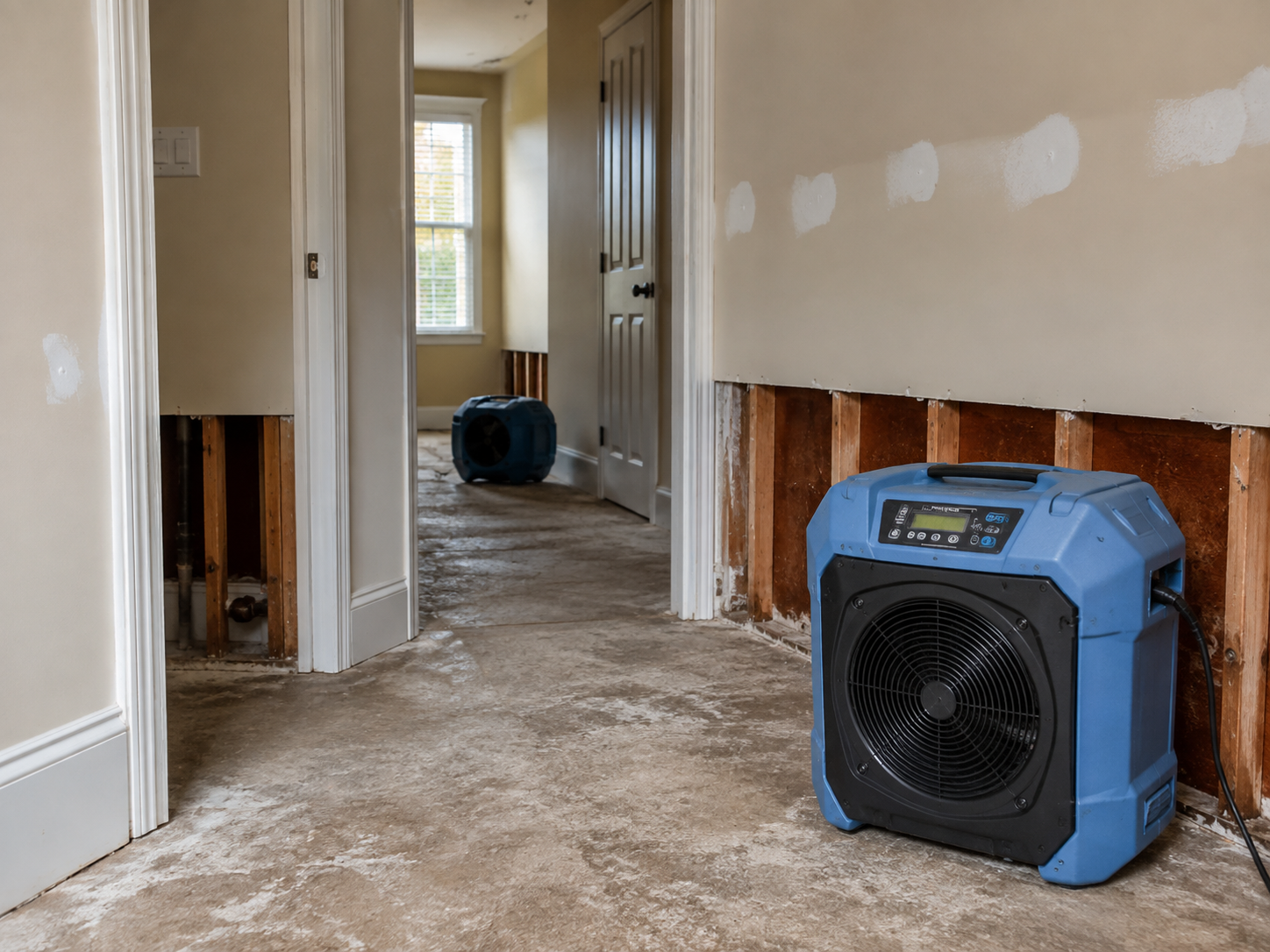
What Does Mold Cleanup In Las Vegas Include?
Cleanup may include work-area preparation, selective material removal, HEPA-supported air cleaning, detailed surface cleaning, debris bagging and removal, odor reduction, moisture readings, and drying support. The exact steps depend on the location and condition of the mold, how porous the materials are, whether moisture remains, and what access is needed behind finished surfaces.
Watermold Las Vegas can provide mold cleanup services for homes, apartments, condos, rental properties, offices, and commercial spaces throughout Las Vegas and nearby service areas. Each project is organized around the actual condition of the property so cleanup, material handling, moisture follow-up, and preparation for repair can move in a clear sequence.
What Is Included In Mold Cleanup Services In Las Vegas?
Mold cleanup services are organized around the materials that are affected, the amount of visible or concealed growth, access to the work area, debris handling, surface cleaning, and the moisture conditions connected to the problem. The work may include area review, selective removal, HEPA-supported air cleaning, detailed surface cleaning, bagging and debris control, odor reduction, moisture checks, and drying support. The service cards below explain common cleanup tasks in simple terms.
Cleanup Planning And Initial Work
Affected Area Review
An affected area review identifies where mold is visible or suspected, which materials appear impacted, and what access may be needed for cleanup. The review considers walls, ceilings, cabinets, flooring edges, trim, insulation, and nearby moisture sources. This helps define the cleanup scope before materials are disturbed so removal, surface cleaning, equipment placement, and follow-up moisture checks can be organized around the actual property conditions.
Call NowCleanup Scope
The cleanup scope explains what needs to be removed, what may be suitable for cleaning, and how the work should move from initial access through final review. Porous materials, hard surfaces, concealed areas, and moisture conditions are considered separately. A clear scope helps prevent unnecessary removal while making sure the affected areas receive the cleaning, debris handling, drying, and material decisions needed for the project.
Call NowWork Area Preparation
Work area preparation organizes the room before cleanup begins. Furniture, stored items, walkways, nearby finishes, doors, vents, and access points may need to be considered so workers can reach affected materials without creating avoidable disruption. Preparing the space also allows cleaning tools, HEPA-supported equipment, waste containers, and moisture equipment to be positioned where they can support the work safely and efficiently.
Call NowMaterial Condition Check
A material condition check looks at how mold and moisture have affected drywall, wood, insulation, cabinets, trim, or other building materials. Some surfaces may be cleanable while others may be too damaged or porous to remain. Reviewing the condition before removal helps determine where selective demolition is appropriate and where detailed cleaning may be enough to prepare the area for drying and later repair.
Call NowAccess Planning
Access planning determines how affected wall cavities, ceiling areas, cabinets, closets, attic spaces, or other concealed locations can be reached without opening more material than the job requires. The plan considers room layout, utilities, finishes, and nearby occupied areas. Focused access keeps cleanup practical while allowing hidden surfaces, trapped debris, and remaining moisture to be checked once the affected area is exposed.
Call NowCleanup Sequence
A cleanup sequence keeps the project organized from initial review through removal, cleaning, moisture checks, and final area preparation. Tasks are arranged so loose debris is controlled before detailed cleaning and so drying can continue where needed. Following a clear order reduces repeated handling of the same area and makes it easier to see what work is complete and what still needs attention.
Call NowMaterial Removal And Surface Cleaning
Damaged Material Removal
Mold-affected porous materials may need selective removal when cleaning alone is not practical. Drywall, insulation, trim, cabinet components, or other damaged materials can be removed based on their condition and the access needed behind them. The process should stay focused on affected areas so debris can be handled in an organized way and remaining surfaces can be exposed for cleaning, moisture review, and drying.
Call NowDrywall Cleanup
Drywall cleanup depends on whether the material has surface growth, deep moisture damage, or contamination that extends through the board. Limited surface conditions may be evaluated differently from wet or deteriorated drywall that needs removal. Cleanup can include controlled cutting, debris handling, exposed-cavity review, surface cleaning around the remaining structure, and moisture checks before the area is prepared for replacement material.
Call NowWood Surface Cleaning
Wood framing, trim, shelving, or other suitable wood surfaces can sometimes remain in place when their condition allows detailed cleaning. The work focuses on accessible growth, dust, residue, and the moisture conditions affecting the material. Cleaning is followed by review of the surface and nearby areas so remaining dampness, concealed damage, or additional material removal needs can be identified before the project moves forward.
Call NowCabinet Area Cleanup
Cabinet mold cleanup can involve toe kicks, sink bases, backs, side panels, shelving, wall surfaces, and plumbing areas where leaks or condensation have created damp conditions. Cleanup may require selective access so hidden surfaces can be checked. The goal is to remove affected material when needed, clean suitable components, manage debris, and verify that the moisture condition around the cabinet area is being addressed.
Call NowCeiling Area Cleanup
Ceiling cleanup is often needed after roof leaks, plumbing leaks from above, HVAC condensation, or bathroom moisture. Work may include reviewing stained or softened material, creating limited access, removing affected sections when necessary, and cleaning exposed framing or other suitable surfaces. Moisture checks and drying are important before the ceiling area is closed because damp materials can continue supporting mold growth after visible cleanup is complete.
Call NowDetailed Surface Cleaning
Detailed surface cleaning focuses on remaining hard or semi-porous materials after loose debris and unsalvageable material have been removed. The process may use HEPA-supported cleaning methods and careful wiping or scrubbing appropriate to the surface. Attention is given to corners, framing edges, shelves, trim, and other accessible areas so residue and settled particles are addressed before final moisture review and repair preparation.
Call NowAir Debris And Moisture Control
HEPA Air Cleaning
HEPA-supported air cleaning can help capture fine airborne particles while mold-affected materials are handled and surfaces are cleaned. Equipment placement depends on room size, the active work area, access to power, and the type of cleanup taking place. Air cleaning supports the overall process but does not replace material removal, detailed surface cleaning, debris control, moisture correction, or the other steps required by the property conditions.
Call NowDust And Debris Control
Dust and debris control keeps loose material from building up throughout the work area during cutting, removal, and cleaning. Careful handling, prompt bagging, surface cleanup, and planned movement of waste all help keep the job organized. Reducing loose debris makes detailed cleaning easier and limits repeated contamination of surfaces that have already been addressed during the project.
Call NowBagging And Removal
Removed drywall, insulation, trim, cabinet material, and other debris should be contained and moved out of the work area in an organized way. Bagging and removal planning considers the amount of material, the route through the property, stairs or hallways, and nearby occupied spaces. A clear debris process keeps the cleanup area easier to manage and supports final cleaning after removal work is finished.
Call NowOdor Reduction
Musty odor can remain when damp materials, concealed growth, or contaminated debris are still present. Odor reduction starts with finding and addressing the source rather than covering the smell. Removing affected material, cleaning suitable surfaces, clearing debris, and reducing remaining moisture can all help. If odor continues after visible cleanup, the area may need another review for concealed dampness or material that was not previously accessible.
Call NowMoisture Checks
Moisture checks help determine whether drywall, wood, cabinets, flooring edges, or concealed areas remain damp after cleanup begins. Readings can guide drying decisions and show whether a leak, condensation issue, or trapped moisture still needs attention. Cleanup is more reliable when moisture conditions are reviewed alongside visible mold because dry-looking surfaces can still have damp material behind or below them.
Call NowDrying Support
Drying support helps move the cleaned area toward stable moisture conditions before repairs or normal use resume. Equipment needs depend on what remains wet, how the room is ventilated, and whether cavities or building materials are still holding moisture. Drying works best when the water source has been corrected and affected materials have already been removed or exposed as needed for airflow and follow-up moisture readings.
Call NowProperty Mold Cleanup Services
Home Mold Cleanup
Home mold cleanup can address affected bedrooms, bathrooms, kitchens, attics, closets, garages, laundry rooms, and other living areas. The cleanup plan considers occupants, furniture, access, the condition of building materials, and the moisture source connected to the growth. Work may include selective removal, surface cleaning, debris handling, HEPA-supported air cleaning, moisture checks, and drying support based on the needs of the home.
Call NowApartment Mold Cleanup
Apartment mold cleanup requires a focused approach because living areas, shared walls, plumbing locations, and occupied rooms are often close together. The work may involve bathrooms, kitchens, HVAC closets, ceilings, or leak-damaged walls. Cleanup can be coordinated with tenants or property management so access, material removal, debris handling, moisture checks, and follow-up work are clear throughout the project.
Call NowCondo Mold Cleanup
Condo mold cleanup can involve plumbing leaks, AC moisture, window intrusion, shared-wall areas, bathrooms, kitchens, or other affected finishes inside the unit. The cleanup scope is based on conditions within the property being serviced and should not assume problems in neighboring units without separate review. Organized access, selective removal, surface cleaning, debris control, and moisture follow-up help keep the work focused.
Call NowRental Property Cleanup
Rental property mold cleanup helps owners and managers respond to leak-related mold, tenant reports, vacancy discoveries, bathroom moisture, or other property maintenance issues. The process can define which rooms and materials are affected, what needs removal, what can be cleaned, and what moisture conditions need attention. Clear cleanup steps also make it easier to coordinate access, documentation, repairs, and communication between the parties involved.
Call NowOffice Mold Cleanup
Office mold cleanup can address affected ceilings, restrooms, storage rooms, work areas, HVAC-related spaces, or leak-damaged finishes while helping limit disruption to unaffected parts of the workplace. The plan considers employee access, equipment, furniture, debris routes, and business operations. Cleanup may include material removal, detailed cleaning, HEPA-supported air cleaning, moisture checks, and preparation for repair once affected areas are addressed.
Call NowCommercial Mold Cleanup
Commercial mold cleanup can support retail spaces, service businesses, warehouses, offices, mixed-use properties, and other facilities with larger or more complex layouts. The work is organized around the affected materials, customer and staff access, equipment paths, debris handling, and moisture conditions. A clear cleanup sequence helps property owners manage removal, cleaning, drying, and follow-up work while keeping attention on the areas that actually require service.
Call NowWhy Choose Mold Cleanup Services In Las Vegas?
Remove Affected Material
Mold cleanup should separate materials that can remain from materials that are too damaged, porous, or contaminated to clean effectively. Selective removal creates access to concealed areas and reduces the amount of affected material left in the space. Keeping removal focused on the actual problem area also helps limit unnecessary demolition and makes the next stages of cleaning and drying easier to manage.
Clean Remaining Surfaces
After damaged material and loose debris are removed, remaining suitable surfaces can receive detailed cleaning based on their condition. Framing, hard surfaces, trim, and other accessible materials may need HEPA-supported cleaning and careful surface work. This step helps address residue and settled particles so the area is better prepared for final moisture review, drying, and the repair work that follows cleanup.
Address Moisture Conditions
Cleanup is incomplete if the moisture source or damp materials remain. Plumbing leaks, roof intrusion, condensation, wet cabinets, damp drywall, and other moisture conditions need to be reviewed alongside the visible mold. Moisture checks and drying support help confirm whether the area is moving toward stable conditions before repairs close cavities or cover surfaces that were opened during the cleanup process.
Mold Cleanup Services FAQs
Clear answers about mold cleanup, affected materials, surface cleaning, HEPA-supported air cleaning, debris handling, moisture checks, drying, and what happens after cleanup is complete.
Get Mold Cleanup Help In Las Vegas
Call Watermold Las Vegas to discuss visible mold, affected drywall or ceilings, damaged cabinets, musty odors, debris removal, surface cleaning, HEPA-supported air cleaning, moisture checks, drying needs, and the cleanup steps that may be appropriate for your home or business. The scope is based on the actual materials, access, and moisture conditions found at the property.