MOLD CONTAINMENTLAS VEGAS
Mold containment helps create a controlled work area around visible or suspected mold so nearby rooms, belongings, and building surfaces can be better protected while cleanup is performed. Watermold Las Vegas can organize containment around affected walls, ceilings, bathrooms, attics, cabinets, leak-damaged areas, and other spaces where mold remediation work may disturb materials. The setup can include barriers, controlled entry, protected openings, HEPA-supported air management, debris handling, moisture review, and coordination with the cleanup steps needed inside the work zone.
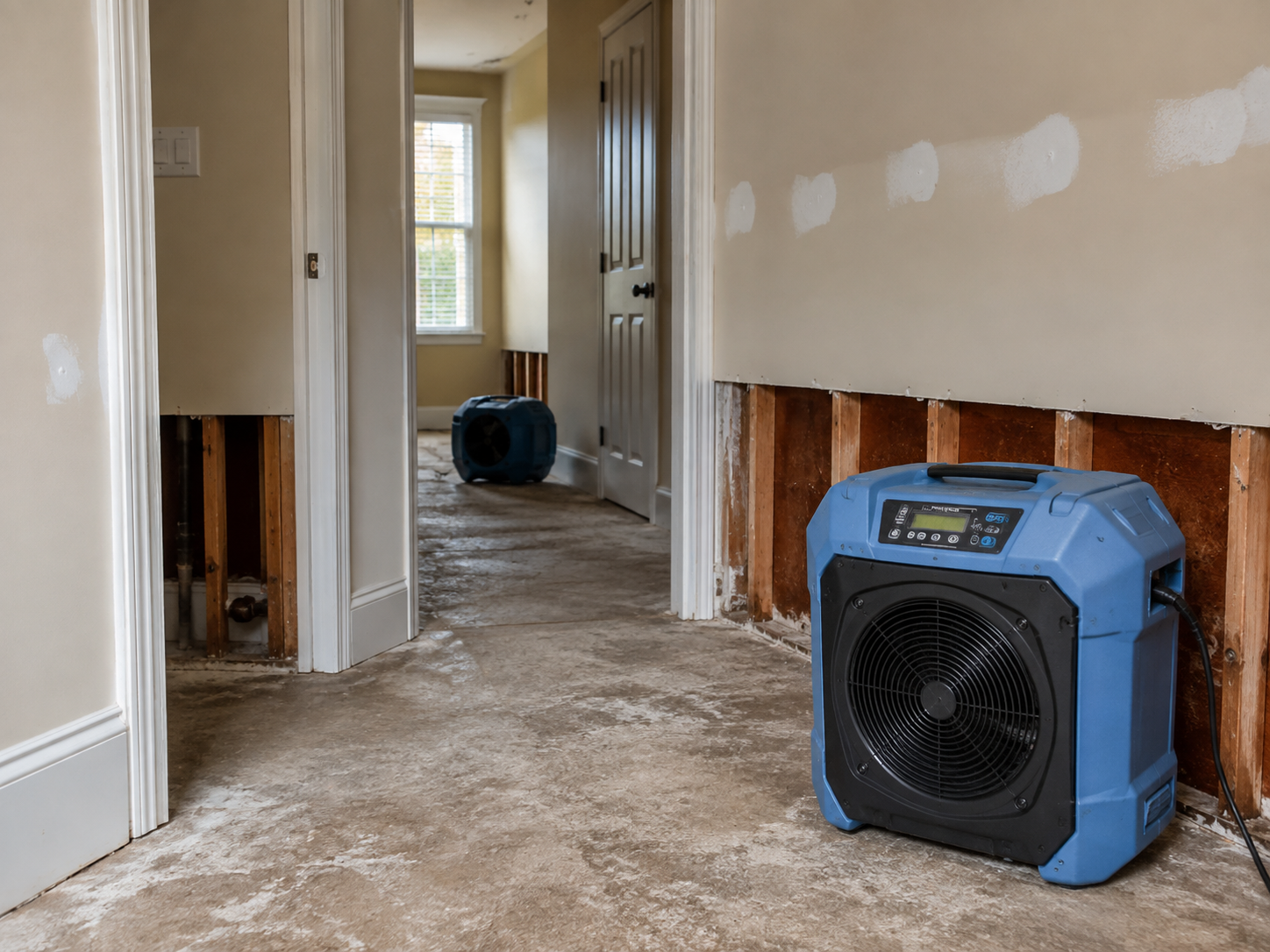
How Does Mold Containment Protect A Las Vegas Property?
A containment plan can include temporary barriers, sealed or protected openings, controlled entry points, equipment placement, debris routes, and HEPA-supported air management when appropriate for the work. Containment is not a substitute for correcting the moisture source. Leaks, condensation, wet materials, or other damp conditions still need to be identified so mold cleanup and drying can address the conditions connected to the growth.
Watermold Las Vegas can use containment as part of mold remediation for homes, apartments, condos, rental properties, offices, and commercial spaces throughout Las Vegas and nearby service areas. The setup is adjusted to the actual property conditions so the work zone remains practical for material handling, surface cleaning, moisture checks, drying, and preparation for the next stage of the project.
What Is Included In Mold Containment In Las Vegas?
Mold containment is organized around the location of the affected area, how people move through the property, which materials will be disturbed, and where cleanup equipment can operate without interfering with nearby spaces. The work may include barrier setup, controlled entry, protected openings, HEPA-supported air management, debris-path planning, moisture review, selective material handling, and monitoring of the work zone. The service cards below explain common containment tasks in clear terms.
Containment Planning And Area Protection
Affected Area Review
An affected area review identifies the room boundaries, visible growth, nearby openings, access points, and materials that may be disturbed during cleanup. This helps determine where containment should begin and end. A clear review also considers occupied areas, hallways, doors, cabinets, ceilings, and adjacent rooms so the work zone can be planned around the actual property layout.
Call NowContainment Layout
A containment layout defines the shape and working space needed around the mold-affected area. The layout should leave enough room for safe movement, equipment placement, material handling, and cleaning without extending farther than necessary. Room size, furniture, doorways, windows, ceiling height, and the expected cleanup scope all influence how the containment area is arranged.
Call NowBarrier Installation
Containment barriers create a physical separation between the work zone and nearby spaces. The barrier setup can be adjusted around walls, doorways, ceilings, cabinets, or open areas depending on the property. The purpose is to provide a defined boundary for cleanup activities while helping reduce unwanted movement of dust and debris beyond the active work area.
Call NowControlled Entry
Controlled entry keeps movement into and out of the containment area organized while remediation work is underway. Entry points should be easy for workers to use but limited enough to avoid unnecessary traffic through the work zone. A defined access point also helps coordinate equipment, tools, debris removal, and cleaning without opening multiple paths into nearby parts of the property.
Call NowOpening Protection
Openings near the work area may need protection before mold-damaged materials are disturbed. Depending on the room, this can include nearby doors, vents, returns, windows, pass-throughs, or other openings connected to adjacent areas. Protecting these locations supports a more controlled work zone and helps keep the containment plan consistent with the room layout and cleanup sequence.
Call NowAdjacent Area Protection
Rooms and surfaces next to the containment area should be considered before cleanup begins. Floors, walkways, furniture, storage areas, and nearby finishes may need protection based on how materials and equipment will move through the property. Planning these details early helps reduce avoidable disruption and keeps the work focused on the affected area rather than spreading activity through the building.
Call NowAir And Particle Control
HEPA Air Management
HEPA-supported air management can help capture fine airborne particles generated during material handling and detailed cleanup. Equipment placement depends on the size and shape of the containment area, access to power, airflow needs, and the work being performed. Air management works together with barriers, controlled entry, debris handling, and surface cleaning as part of an organized containment process.
Call NowNegative Air Setup
A negative-air setup may be used when the work plan calls for directional airflow within a contained area. The exact arrangement depends on the room, barrier layout, equipment capacity, and where filtered air can be managed appropriately. The goal is to support control of the active work zone while remediation tasks are taking place, not to replace physical containment or proper cleaning.
Call NowDust Control
Dust control focuses on reducing loose material and fine debris during removal, access, and cleaning work. Careful cutting, controlled handling, surface cleaning, and HEPA-supported equipment can all contribute to a cleaner work zone. The methods used should match the materials being disturbed so the containment area stays manageable throughout the project rather than becoming overloaded with unnecessary debris.
Call NowDebris Path Control
A planned debris path defines how removed material leaves the work zone without creating unnecessary traffic through the property. The route should consider doors, hallways, occupied spaces, stairs, and exterior access. Organizing the path before removal begins helps keep containment more effective and makes it easier to coordinate bagged debris, tools, equipment, and cleaning between the affected area and disposal route.
Call NowEquipment Placement
Containment equipment should be positioned so it supports the work without blocking access or creating unstable walkways. Air-management units, extension cords, cleaning tools, moisture equipment, and waste containers all need practical placement. Good positioning keeps the work zone easier to navigate and helps the containment setup remain consistent from initial access through material handling, cleaning, moisture checks, and final area review.
Call NowWork Zone Monitoring
The containment area should be checked during active work to make sure barriers, access points, protected openings, and equipment remain in the intended position. Cleanup activity can shift materials or create new access needs, so the setup may require adjustment as the project moves forward. Ongoing review keeps the work zone aligned with the current stage of removal, cleaning, and drying.
Call NowMoisture And Material Coordination
Moisture Source Review
Containment is most useful when the moisture condition connected to mold growth is also understood. Plumbing leaks, roof intrusion, condensation, damp cabinets, wet drywall, or other sources can continue affecting materials if they remain unresolved. Reviewing the likely source helps coordinate containment with drying, access, selective removal, and the correction steps needed before the area is closed back up.
Call NowDamp Material Check
Materials inside or near the containment zone can be checked for remaining dampness before the project moves forward. Moisture readings help identify where drywall, wood, insulation, flooring edges, or other materials may still need drying or further review. This prevents containment from being treated as the final step when the property still has moisture conditions that can affect cleanup and repair decisions.
Call NowSelective Removal
Selective removal is used when specific porous or damaged materials need to come out so concealed surfaces can be accessed and cleaned. The amount removed should reflect the actual condition of the material and the work needed behind it. Containment helps keep this process organized by defining where cutting, handling, bagging, and cleanup take place while nearby areas remain outside the active zone.
Call NowCavity Access
Wall, ceiling, cabinet, or other concealed cavities may need controlled access when moisture or mold is suspected behind finished surfaces. Opening only the area needed for inspection and cleanup can help limit unnecessary demolition. Containment provides a defined space for creating access, handling removed material, cleaning exposed surfaces, and checking moisture before the cavity is prepared for the next stage of work.
Call NowSurface Cleaning Prep
Surface cleaning is easier to manage when the containment area is prepared before detailed work begins. Loose debris should be removed, access should be clear, and equipment should be positioned so framing, hard surfaces, and other suitable materials can be cleaned methodically. Preparation also helps reduce repeated movement in and out of the work zone once the detailed cleaning stage has started.
Call NowDrying Coordination
Drying may continue inside or near containment when materials remain damp after a leak, cleanup, or selective removal. Equipment placement, airflow, moisture readings, and access all need to work with the containment layout rather than against it. Coordinating these steps helps the project transition from active mold-related cleanup to a drier, more stable area that can be reviewed before repairs proceed.
Call NowProperty Mold Containment Services
Home Mold Containment
Home mold containment can isolate affected bedrooms, bathrooms, kitchens, attics, closets, garages, or other living areas while cleanup is performed. The setup should consider family movement, pets, furniture, doorways, and nearby rooms so the work zone is practical without taking over more of the home than necessary. Each containment plan is based on the location and condition of the affected materials.
Call NowApartment Containment
Apartment containment needs to account for smaller floor plans, shared walls, hallways, occupied rooms, and limited access for equipment or debris removal. A focused work zone can help keep mold-related activity separated from unaffected parts of the unit while cleanup progresses. Coordination is especially important when tenants, management, and maintenance teams need clear information about access and the areas being worked on.
Call NowCondo Containment
Condo mold containment can be organized around bathrooms, kitchens, HVAC closets, shared walls, plumbing areas, or leak-damaged finishes. Because adjoining units and common areas may be nearby, the work-zone layout should keep access and debris movement controlled. The containment plan is based on the affected space inside the unit and does not assume conditions in neighboring properties without separate review.
Call NowRental Mold Containment
Rental property containment helps landlords and managers define a work area when mold is found after leaks, vacancy periods, tenant reports, or maintenance issues. A clear boundary supports communication about which rooms are affected, where cleanup is taking place, and what areas should remain outside the work zone. This can make scheduling, access, material handling, and follow-up moisture checks easier to coordinate.
Call NowOffice Mold Containment
Office mold containment can isolate a leak-damaged room, ceiling area, restroom, storage space, or other affected section while the rest of the workplace remains easier to manage. The setup considers employee paths, doors, workstations, equipment, and business access. Containment boundaries and work timing can be coordinated with the cleanup scope so disruption is limited to the area that actually requires attention.
Call NowCommercial Containment
Commercial mold containment can support work in retail spaces, service businesses, warehouses, offices, mixed-use properties, and other facilities with larger or more complex layouts. The plan should consider customer areas, staff movement, equipment paths, building systems, and the location of affected materials. A defined work zone helps keep remediation activity organized while the property owner manages operations around the project.
Call NowWhy Is Mold Containment Important In Las Vegas?
Define The Work Area
A clear containment boundary tells everyone where mold-related work is taking place and which nearby spaces should remain outside the active zone. That makes material handling, equipment placement, cleaning, and debris movement easier to organize. The work area can be sized to the actual room and project instead of assuming that an entire property needs the same level of isolation.
Control Cleanup Activity
Containment supports a more controlled cleanup process by keeping barriers, access points, protected openings, air-management equipment, and debris routes coordinated around the same work zone. It does not replace careful removal or cleaning, but it provides the structure needed to keep those activities focused while nearby rooms and surfaces are better separated from the work.
Support Moisture Follow-Up
The containment area should remain connected to the moisture conditions that caused or supported mold growth. Moisture checks, drying, leak correction, and review of remaining materials can continue as cleanup progresses. This helps prevent the project from ending with only a barrier removal when dampness or affected materials still need attention before repairs or normal use resume.
Mold Containment FAQs
Clear answers about mold containment, barriers, controlled access, HEPA-supported air management, moisture conditions, occupancy, and what happens after the work zone is no longer needed.
Get Mold Containment Help In Las Vegas
Call Watermold Las Vegas to discuss affected rooms, containment boundaries, barrier placement, controlled entry, protected openings, HEPA-supported air management, debris routes, moisture checks, and the cleanup work planned inside the work zone. The containment setup is based on the property layout and the actual remediation scope.