MOLD DAMAGE REPAIRLAS VEGAS
Mold damage repair starts with understanding what the mold and moisture have affected, what materials were removed, and what still needs attention before the area can be repaired. Watermold Las Vegas helps organize mold-related damage work involving drywall, ceilings, cabinets, trim, wall cavities, wood surfaces, and other building materials after leaks, condensation, or prolonged dampness. The process can include damage review, cleanup, selective material removal, HEPA-supported final cleaning, moisture checks, drying support, and preparation of affected areas for the next repair stage.
What Does Mold Damage Repair In Las Vegas Involve?
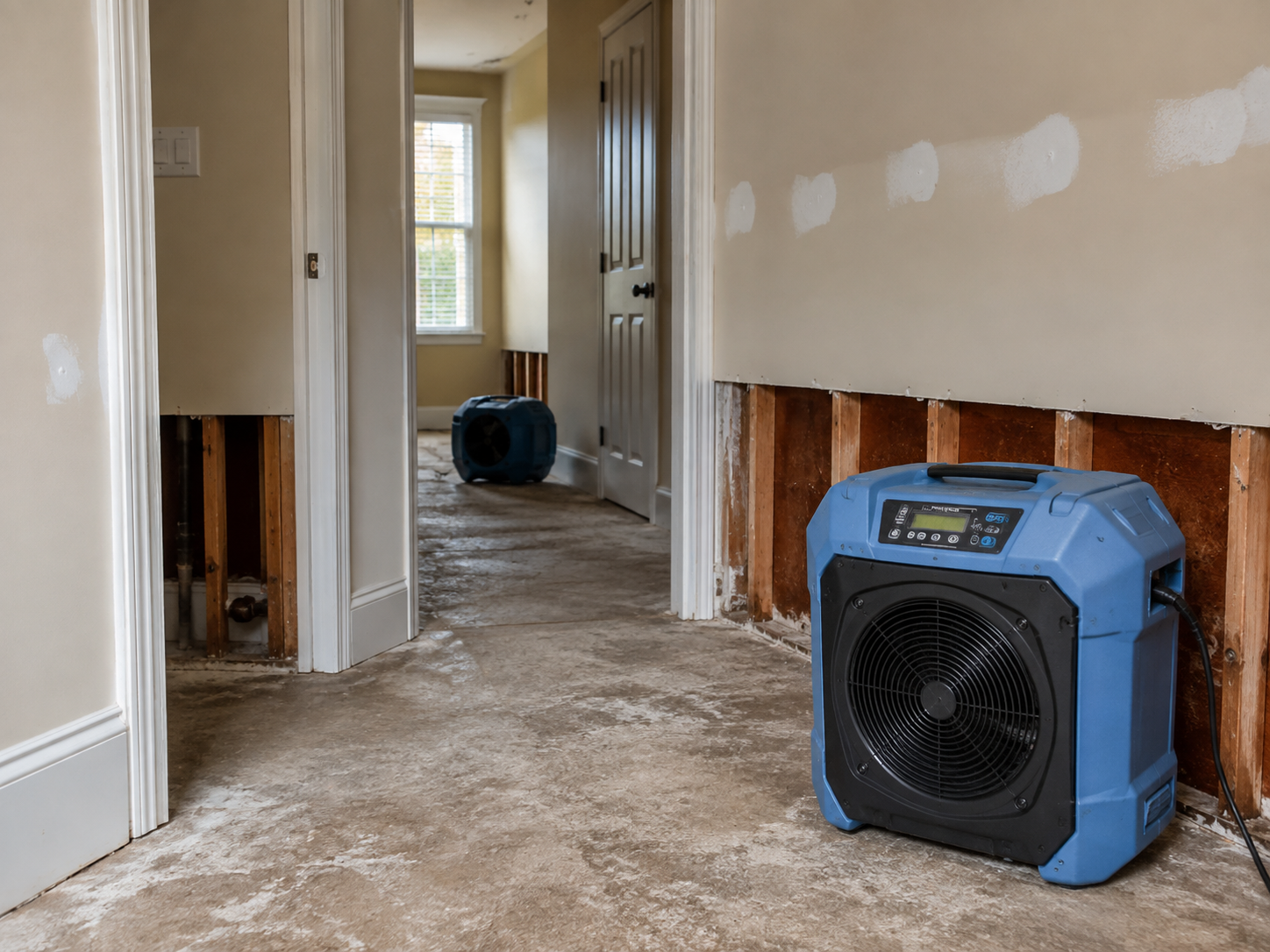
Repair-related mold work may involve selective removal of damaged material, detailed cleaning of surfaces that can remain, HEPA-supported final cleaning, debris removal, moisture readings, drying support, and review of exposed framing or cavities. Materials should not be closed back in while they are still damp or while affected debris remains. The condition of the area determines when it can move safely from cleanup into repair or finishing.
Watermold Las Vegas can help property owners organize mold damage repair preparation for homes, apartments, condos, rentals, offices, and commercial spaces throughout Las Vegas and nearby service areas. The work is based on the actual condition of the property and focuses on getting damaged areas clean, dry, accessible, and ready for the appropriate repair stage without making unsupported assumptions about reconstruction work that has not been confirmed.
What Is Included In Mold Damage Repair Work In Las Vegas?
Mold damage repair work is organized around the condition of the affected materials, what was removed during cleanup, what can remain, whether moisture is still present, and what must be completed before damaged finishes can be repaired. The process can include damage review, repair-scope planning, selective material removal, final surface cleaning, HEPA-supported air cleaning, debris clearance, moisture verification, drying support, and preparation of exposed areas for the next construction or finishing step. The service cards below explain common repair-related tasks in simple terms.
Damage Review And Repair Planning
Damage Area Review
A damage area review looks at the surfaces and building materials that were affected by mold, moisture, or earlier removal work. Walls, ceilings, cabinets, trim, insulation edges, flooring transitions, and exposed cavities can all require different next steps. The review helps separate areas that are ready for repair from areas that still need cleaning, removal, drying, or moisture correction before new finishes are installed.
Call NowRepair Scope Planning
Repair scope planning defines which damaged sections need replacement, which existing materials can remain, and what preparation should be completed before repairs begin. The scope considers access, material condition, exposed cavities, nearby finishes, and remaining moisture. A clear repair plan helps avoid closing over damp or contaminated areas and gives property owners a practical sequence for moving from mold cleanup toward restoration of the space.
Call NowMaterial Condition Review
A material condition review checks whether drywall, wood, trim, cabinets, insulation, and other surfaces are sound enough to remain after mold-related damage. Porous materials that are deteriorated, swollen, crumbling, or deeply affected may require removal, while stable materials may only need cleaning and drying. Reviewing the condition first helps keep repair work focused on the materials that actually need replacement.
Call NowMoisture Readiness Check
A moisture readiness check helps determine whether repaired areas are dry enough to close. Wall cavities, framing, ceilings, cabinet bases, and flooring edges can hold moisture after the visible leak is gone. Readings and visual review help identify areas that still need drying or source correction. Repairing over damp materials can trap moisture, so this step is important before drywall, trim, cabinetry, or other finishes are replaced.
Call NowAccess And Exposure
Access and exposure work creates the opening needed to review concealed mold damage without removing more material than the project requires. Small sections of drywall, ceiling material, cabinet backing, trim, or other finishes may need to be opened so cavities and structural surfaces can be checked. Focused access makes it easier to clean, dry, inspect, and prepare hidden areas before the repair stage begins.
Call NowRepair Sequence
A repair sequence organizes the transition from mold cleanup to property repair. Loose debris and damaged material are addressed first, remaining surfaces are cleaned, moisture conditions are checked, and drying continues where needed. Once the area is clean and stable, repair work can proceed in a logical order. This prevents finished surfaces from being installed before the underlying area is ready and reduces repeated work.
Call NowDamaged Material And Surface Preparation
Drywall Repair Prep
Drywall repair preparation begins after damaged or contaminated sections have been removed and the wall cavity has been reviewed. Remaining framing and nearby surfaces may need detailed cleaning, debris removal, and moisture checks before new board is installed. The opening should be dry, clear, and accessible so replacement drywall is not placed over hidden dampness, leftover debris, or an unresolved leak condition.
Call NowCeiling Repair Prep
Ceiling repair preparation is often needed after roof leaks, plumbing leaks from above, HVAC condensation, or bathroom moisture lead to mold damage. Affected ceiling material may require selective removal so the area above can be inspected and dried. Before replacement, exposed framing, insulation areas, and nearby surfaces should be reviewed for remaining moisture, loose debris, staining, or additional mold-related damage.
Call NowWall Cavity Prep
Wall cavity preparation focuses on spaces behind removed drywall or other finishes. Once the cavity is open, framing, insulation edges, pipes, nearby materials, and the original moisture source can be reviewed. Cleaning, debris control, moisture readings, and drying may be needed before the wall is closed. This step helps ensure the repair covers a clean and stable cavity rather than concealing unresolved conditions.
Call NowCabinet Repair Prep
Cabinet repair preparation can involve sink bases, toe kicks, backs, side panels, shelving, and nearby wall surfaces affected by leaks or long-term dampness. Damaged components may need removal so hidden surfaces can be reached. Remaining areas can then be cleaned and checked for moisture before cabinet components are repaired or replaced. The goal is to address the concealed condition before new material covers it.
Call NowTrim And Baseboard Prep
Trim and baseboard preparation addresses mold-damaged finish materials along walls, floors, windows, and door areas. Swollen, stained, or deteriorated pieces may need removal so the wall edge and flooring transition can be cleaned and dried. Before new trim is installed, the underlying surface should be reviewed for remaining moisture and debris. This keeps the repair focused on both appearance and the condition behind the finish.
Call NowWood Surface Review
Wood surface review looks at framing, shelving, subfloor edges, trim, and other wood components exposed during mold cleanup. Some wood can remain after detailed cleaning and drying, while damaged or weakened sections may need separate repair evaluation. The review focuses on surface condition, remaining moisture, accessibility, and whether the material appears ready to stay in place before surrounding finishes are restored.
Call NowCleanup Drying And Repair Readiness
Final Debris Clearance
Final debris clearance removes loose dust, small material fragments, bagged waste, and residue left from selective demolition or mold cleanup. Repair areas are easier to inspect and prepare when the floor, cavities, ledges, and exposed surfaces are clear. Organized debris removal also reduces the chance that repair work will disturb leftover contaminated material or spread settled particles into adjacent areas after cleaning has already been completed.
Call NowHEPA Final Cleaning
HEPA-supported final cleaning can help capture fine particles on exposed surfaces and in the work area after damaged material has been removed. The exact approach depends on the size of the opening, the materials involved, and the amount of previous disturbance. Final cleaning supports repair readiness but does not replace moisture correction, drying, material decisions, or any remaining cleanup required by the actual condition of the property.
Call NowSurface Readiness Check
A surface readiness check reviews the areas that will remain behind new finishes or beside repaired materials. Framing, wall edges, ceiling surfaces, cabinet areas, and other exposed components should be free of loose debris and visibly stable before the repair stage moves forward. The check also helps identify spots that may still need cleaning, drying, or additional access so repairs are not started over an unfinished condition.
Call NowDrying Verification
Drying verification confirms whether affected and adjacent materials are moving toward stable moisture conditions before repair. The need for continued drying depends on the original water source, material type, room airflow, and whether hidden cavities were exposed. New drywall, trim, cabinets, or other finishes should not be installed simply because the surface looks dry. Moisture review helps support a more reliable repair sequence.
Call NowOdor Source Review
An odor source review is useful when a musty smell remains after visible mold and damaged materials have been addressed. Persistent odor can point to damp insulation, concealed debris, an overlooked cavity, wet cabinet material, or another source that has not fully dried. Reviewing the odor before finishing repairs can prevent a newly closed wall or ceiling from hiding a condition that still needs attention.
Call NowRepair Area Protection
Repair area protection helps keep cleaned and prepared spaces from being re-contaminated while the next stage is scheduled. Exposed openings, cleaned framing, nearby finishes, walkways, and stored materials may need practical protection from dust, debris, or unrelated work. Keeping the area organized between cleanup and repair reduces repeated cleaning and helps maintain the condition that was established before replacement materials are installed.
Call NowProperty Mold Damage Repair Support
Home Damage Repair
Home mold damage repair preparation can involve bedrooms, bathrooms, kitchens, attics, closets, garages, laundry rooms, and living areas affected by leaks or damp conditions. The work is organized around the materials that were damaged, what cleanup has already been completed, and what still needs drying or preparation. A clear sequence helps homeowners understand when an area is ready for drywall, trim, cabinetry, or other finish repairs.
Call NowApartment Repair Support
Apartment mold damage repair support can involve leak-damaged walls, bathroom ceilings, kitchen cabinets, HVAC closets, or other affected finishes inside an occupied unit. The process should coordinate access, cleanup status, moisture readiness, and repair preparation without assuming conditions in neighboring units. Clear communication helps tenants and property managers understand which areas are ready for repair and which still need drying or material review.
Call NowCondo Repair Support
Condo mold damage repair support focuses on affected materials within the unit being serviced, including walls, ceilings, cabinets, bathrooms, and areas near plumbing or AC moisture. Shared-wall or neighboring-unit conditions should be reviewed separately when relevant. Within the serviced space, the goal is to make sure cleanup, debris removal, surface preparation, and moisture checks are complete before damaged finishes are replaced.
Call NowRental Property Repair
Rental property mold damage repair preparation helps owners and managers move from mold cleanup toward restoring damaged rooms between or during occupancies. Work may involve drywall openings, ceiling sections, cabinets, trim, or other finish materials affected by leaks and moisture. A documented sequence of cleanup, drying, readiness checks, and repair preparation makes it easier to coordinate vendors, access, tenant communication, and the next property-maintenance step.
Call NowOffice Damage Repair
Office mold damage repair preparation can involve ceilings, restrooms, storage rooms, work areas, and leak-affected walls while helping limit disruption to unaffected parts of the workplace. The plan can account for furniture, equipment, employee access, debris routes, and repair timing. Cleaning, moisture verification, and surface readiness are addressed first so replacement finishes are not installed before the affected area is prepared.
Call NowCommercial Repair Support
Commercial mold damage repair support can help retail spaces, offices, service businesses, warehouses, and mixed-use properties organize the transition from mold cleanup to repair. Larger layouts may require phased access, debris handling, drying, and surface preparation across multiple areas. A clear repair-readiness process helps property owners identify which sections can move forward and which still need moisture correction, cleaning, or additional material removal.
Call NowWhy Review Mold Damage Before Repairs In Las Vegas?
Confirm The Damage Scope
Mold-related damage can extend beyond the first visible stain or opening. Reviewing drywall, ceilings, cabinets, trim, exposed cavities, and nearby materials helps define the actual repair area before new finishes are installed. A clear damage scope prevents repair work from moving ahead while hidden dampness, loose debris, or additional affected material still needs attention.
Prepare Clean Repair Areas
Repair areas should be clean and organized before replacement materials are installed. Removing loose debris, cleaning suitable surfaces, reviewing exposed cavities, and completing HEPA-supported final cleaning where appropriate can help prepare the space for the next stage. This keeps new drywall, trim, cabinets, or finishes from being installed directly over unfinished mold-cleanup conditions.
Verify Moisture Readiness
Moisture conditions should be reviewed before walls, ceilings, cabinets, or other finishes are closed. A repaired surface can look complete while moisture remains behind it if drying was not verified. Checking the original source, exposed materials, and nearby areas helps determine whether the space is ready to move forward or whether additional drying or moisture correction is still needed.
Mold Damage Repair FAQs
Clear answers about mold-damaged materials, repair preparation, drywall and ceiling areas, moisture readiness, final cleaning, and what should happen before affected spaces are closed or finished.
Get Mold Damage Repair Help In Las Vegas
Call Watermold Las Vegas to discuss mold-damaged drywall, ceilings, cabinets, trim, wall cavities, leak-affected materials, final cleanup, moisture checks, drying needs, and preparation for repair. The scope is based on the actual condition of the materials, access to the affected area, and whether the space is ready to move from mold cleanup into the next repair stage.