MOLD DAMAGE RESTORATIONLAS VEGAS
Mold damage restoration addresses the affected materials, hidden moisture, and cleanup steps needed after mold has damaged part of a property. Watermold Las Vegas helps organize the work from affected-area review and containment through material removal, HEPA-supported cleaning, moisture checks, drying coordination, and preparation for repairs. The goal is to remove damaged material, clean remaining surfaces, and leave the work area ready for the next stage of property recovery.
How Does Mold Damage Restoration Work In Las Vegas?
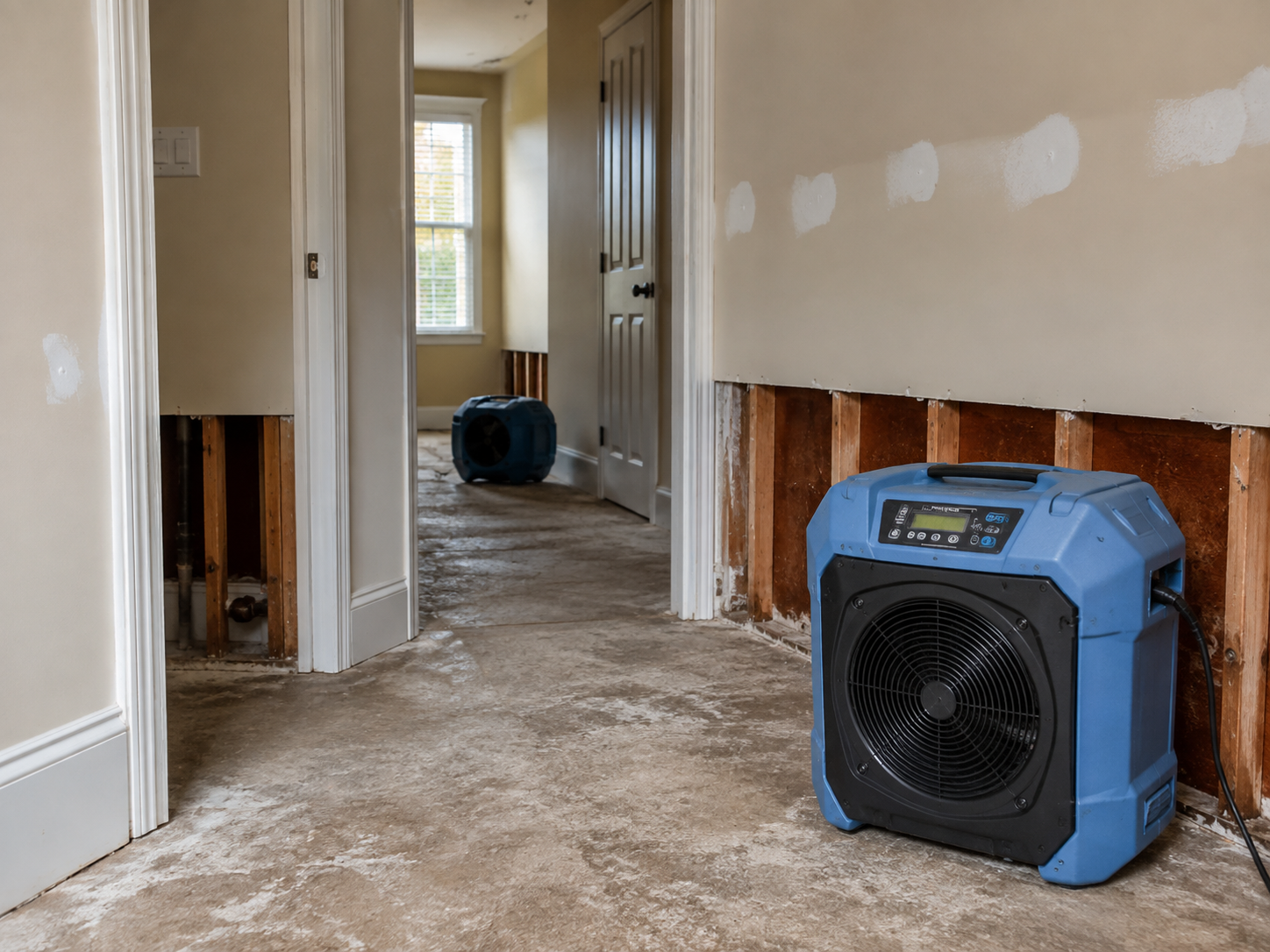
The restoration process can involve containment, selective removal of damaged porous materials, detailed cleaning of suitable remaining surfaces, HEPA-supported air filtration, debris handling, and moisture evaluation. When wet conditions remain, drying and source correction are important before repairs begin. Each step should match the actual condition of the property rather than treating every mold-damage project the same way.
Watermold Las Vegas helps property owners move from mold damage toward a cleaner, repair-ready space with an organized sequence of work. Homes, rentals, condos, apartments, offices, and commercial properties can require different access, containment, and material-handling plans. The focus is on practical cleanup, controlled work areas, moisture correction, and clear preparation for the repairs that may follow.
What Is Included In Mold Damage Restoration In Las Vegas?
Mold damage restoration is a step-by-step process that addresses affected materials, cleanup, moisture, and preparation for repairs. The exact work depends on where the damage is located, what materials are involved, how far moisture traveled, and whether hidden areas need to be opened. The service cards below explain the main parts of a restoration project in simple terms for homeowners, landlords, property managers, and business owners.
Damage Review And Restoration Scope
Mold Damage Review
A mold damage review identifies the visible work areas and the materials that appear affected. Walls, ceilings, cabinets, insulation, trim, framing, and flooring edges may all need different attention. Establishing the condition of each area helps define a practical restoration scope before containment, removal, cleaning, or drying work begins.
Call NowMoisture Source Check
Mold damage often follows a leak, condensation issue, or other moisture source. Checking where moisture entered and whether damp conditions remain helps prevent cleanup from being completed around an active problem. The restoration plan can then account for source correction, drying needs, and any materials that stayed wet long enough to be damaged.
Call NowHidden Area Access
Damage can continue behind drywall, cabinets, baseboards, ceilings, or other finishes even when the visible surface looks limited. Controlled access may be needed to see the full condition without opening unrelated areas. This helps the restoration work reach concealed materials that require removal, cleaning, drying, or further evaluation.
Call NowMaterial Condition Review
Different materials react differently to mold and moisture. Porous items such as drywall or insulation may need removal when damage is extensive, while suitable structural wood and hard surfaces may be cleaned in place. Reviewing the condition of each material helps avoid unnecessary removal while making sure damaged areas are not left behind.
Call NowRestoration Work Plan
A restoration work plan organizes the project into clear steps so the work area, containment, material handling, cleaning, moisture checks, drying, and repair preparation happen in a logical order. This is especially important when several rooms or material types are involved and property owners need to understand what happens next.
Call NowAffected Area Mapping
Mapping affected areas helps keep the restoration focused on confirmed damage rather than treating the entire property the same way. The work area can be organized by room, wall, ceiling, cabinet, attic, or other location so containment, removal, cleaning, and moisture checks match the actual conditions found.
Call NowRestoring Mold-Affected Materials
Drywall Damage Removal
Mold-damaged drywall may need selective removal when moisture and growth have penetrated the paper or gypsum. Opening only the affected sections can expose framing, insulation, or hidden cavities for cleaning and drying. The remaining wall area can then be evaluated and prepared for repair after the restoration work is complete.
Call NowCeiling Damage Cleanup
Ceiling mold damage can follow roof leaks, plumbing leaks, or condensation above the finished surface. Restoration may require controlled access, removal of damaged ceiling material, cleanup of exposed surfaces, moisture checks, and drying coordination. Overhead work also requires careful protection of the room below during removal and debris handling.
Call NowInsulation Removal
Insulation can hold moisture and contamination inside wall or ceiling cavities. When insulation is mold-damaged or remains wet, removal may be needed so concealed surfaces can be accessed, cleaned, and dried. The restoration area can then be prepared for replacement insulation once moisture conditions are corrected and the space is ready for repairs.
Call NowWood Surface Cleaning
Wood framing, subfloor edges, shelving, and other structural surfaces may be candidates for detailed cleaning when the material remains sound. The process can include removal of loose debris, surface cleaning, and moisture verification. Any ongoing leak or damp condition should be addressed so cleaned wood is not left exposed to the same problem.
Call NowCabinet Area Cleanup
Mold damage around sinks, plumbing lines, appliances, or exterior walls can affect cabinet backs, toe kicks, shelving, and nearby drywall. Restoration may require opening or removing selected cabinet components to reach hidden surfaces. The area can then be cleaned, checked for moisture, dried as needed, and prepared for cabinet or wall repairs.
Call NowFlooring Edge Cleanup
Moisture can travel beneath baseboards, flooring transitions, and lower wall edges where mold damage is not immediately visible. Restoration may include limited access to the flooring perimeter, removal of damaged trim or material, detailed cleaning, moisture checks, and drying. The work should stop at the confirmed affected area instead of disturbing unaffected flooring.
Call NowControlled Cleanup And Drying
Containment Setup
Containment helps separate the active mold-damage work area from nearby rooms while materials are disturbed. Barriers, protected pathways, and controlled entry can be adjusted to the size and layout of the project. A properly organized work zone supports cleaner material removal, debris handling, HEPA-supported filtration, and detailed surface cleaning.
Call NowHEPA Air Filtration
HEPA-supported air filtration can be used during restoration to help manage airborne particles inside the controlled work area. Equipment placement depends on the room size, layout, and amount of material being disturbed. Air management works together with containment and cleaning rather than replacing removal of damaged material or correction of the moisture source.
Call NowDetailed Surface Cleaning
After damaged materials are removed, suitable remaining surfaces may need detailed cleaning before the area can move toward repairs. Framing, ledges, hard surfaces, edges, and exposed cavities can require careful attention. The cleaning scope depends on the material condition and should be paired with moisture checks so damp surfaces are not closed back in.
Call NowDebris Handling
Removed drywall, insulation, trim, cabinet material, and other damaged debris should be contained and moved out of the work area in an organized way. Protected pathways and controlled handling help limit unnecessary contact with unaffected spaces. The amount of debris and the route out of the property can influence how the restoration work is staged.
Call NowMoisture Verification
Moisture verification checks whether affected walls, ceilings, floors, cabinets, and structural materials are still damp after damaged materials are removed. Remaining moisture can change the restoration sequence and may require additional drying or source correction. Confirming conditions before repairs helps reduce the chance of closing finishes over unresolved dampness.
Call NowDrying Coordination
When mold damage follows a leak or other water event, drying may be needed after wet materials are removed. Airflow, room conditions, remaining materials, and the amount of moisture all affect the drying plan. Coordinating this step before reconstruction helps keep the restoration process organized and gives repair work a more suitable starting point.
Call NowProperty Restoration Services
Home Mold Restoration
Home mold restoration can involve bathrooms, bedrooms, kitchens, attics, closets, garages, or living areas affected by leaks and moisture. Each room may contain different materials and access conditions. The work can be organized around containment, damaged-material removal, cleaning, moisture checks, drying, and preparation for the repairs needed in the affected area.
Call NowRental Property Recovery
Rental property recovery may require coordination with owners, managers, and tenants while mold-damaged areas are cleaned and prepared for repair. Clear work zones, access planning, material removal, debris handling, and moisture checks help keep the project understandable. The restoration scope should be based on the affected rooms and materials rather than general assumptions about the property.
Call NowCondo Mold Restoration
Condo mold restoration can involve shared walls, plumbing lines, HVAC components, building access rules, and coordination with property management. The affected unit still needs a focused restoration plan based on its actual damage. Containment, selective removal, cleanup, moisture evaluation, and repair preparation can be organized around those building conditions.
Call NowApartment Mold Cleanup
Apartment mold damage can develop around bathrooms, kitchens, HVAC closets, windows, ceilings, and leak-affected walls. Restoration may involve controlled access, removal of damaged materials, detailed cleaning, moisture checks, and drying. Room-by-room planning helps keep the work contained while supporting communication between tenants, landlords, and property managers.
Call NowOffice Mold Restoration
Office mold restoration can address damage from roof leaks, plumbing issues, condensation, or persistent dampness in work areas. Restoration planning can account for occupied spaces, ceiling systems, drywall, flooring edges, and equipment locations. Controlled work zones and clear sequencing help reduce unnecessary disruption while damaged materials are removed and the area is prepared for repair.
Call NowCommercial Mold Recovery
Commercial mold recovery supports retail spaces, warehouses, service properties, and other business locations with mold-damaged materials. Building size, operating hours, access, ceiling height, and affected materials can change the work plan. Restoration can include containment, selective removal, HEPA-supported cleaning, moisture checks, debris handling, drying coordination, and preparation for the next repair stage.
Call NowWhy Choose Mold Damage Restoration In Las Vegas?
Damage Focused Planning
Restoration begins with the damaged areas and materials that actually need attention. Reviewing visible growth, concealed spaces, moisture conditions, and material type helps create a focused scope for removal, cleaning, drying, and repair preparation without treating unaffected parts of the property as damaged.
Controlled Cleanup Process
Containment, HEPA-supported air filtration, selective material removal, detailed cleaning, debris handling, and moisture checks work together as part of a controlled restoration process. The sequence is adjusted to the property so damaged areas can be cleaned and prepared for the next stage of recovery.
Repair Ready Preparation
The end of mold damage restoration is not just removing visible growth. Remaining surfaces should be cleaned, moisture conditions reviewed, and the work area organized for the repairs that follow. This gives property owners a clearer transition from mold cleanup to rebuilding finishes and restoring normal use of the space.
Mold Damage Restoration FAQs
Straightforward answers about mold-damaged materials, containment, HEPA-supported cleanup, moisture, drying, and repair preparation.
Get Mold Damage Restoration Help In Las Vegas
Call Watermold Las Vegas to discuss mold-damaged materials, hidden areas, containment, selective removal, HEPA-supported cleaning, debris handling, moisture checks, drying coordination, and preparation for repairs. The restoration plan is based on the conditions found in the affected part of the property.