MOLD REMEDIATION COMPANYLAS VEGAS
Watermold Las Vegas provides mold remediation company services for homes, rentals, managed properties, and businesses with visible mold, recurring odors, damp materials, or growth following a leak. Service is available throughout Las Vegas, Henderson, North Las Vegas, Summerlin, Enterprise, Paradise, Spring Valley, Winchester, Sunrise Manor, and Clark County. Each project is organized around the affected area, material condition, access, and moisture source so the remediation work is clear from the first review through cleanup and drying.
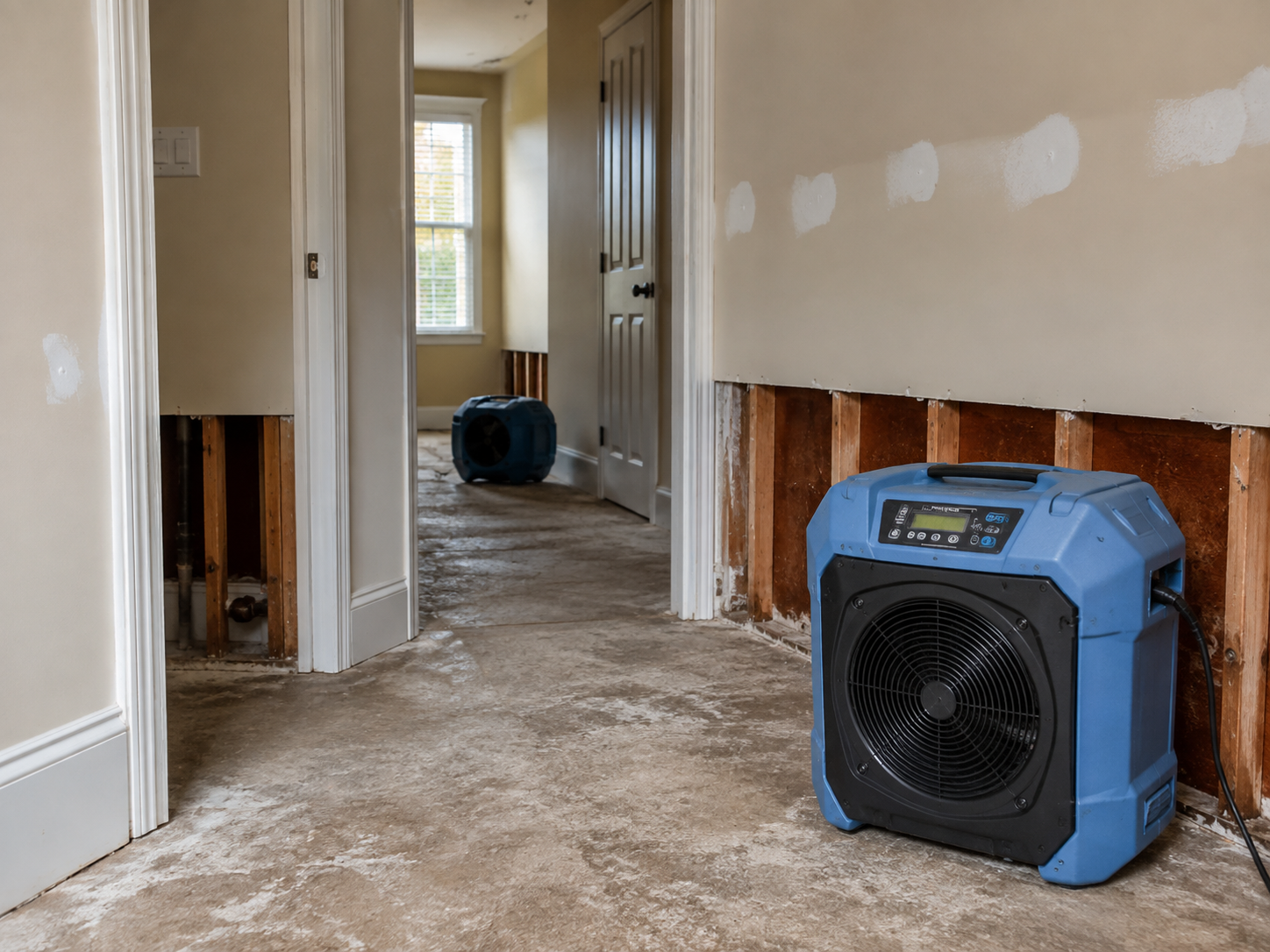
What Does A Mold Remediation Company Do In Las Vegas?
A mold remediation company evaluates the affected area, the building materials involved, and the moisture condition connected to the growth. Mold can develop after plumbing leaks, roof problems, air-conditioning condensation, appliance failures, bathroom humidity, or water that was not dried quickly. The first step is understanding the scope before materials are disturbed or cleanup begins.
The remediation plan may include isolating the work area, removing materials that cannot be cleaned, HEPA air filtration support, detailed cleaning of suitable surfaces, odor reduction, moisture checks, and drying guidance. The exact work depends on where the mold is located, how the materials were affected, and whether the source of moisture has been corrected.
Watermold Las Vegas keeps the process straightforward for homeowners, landlords, property managers, and business owners. The work is organized so containment, material handling, cleaning, drying, and repair preparation happen in a practical sequence without adding steps that are not needed for the property.
What Services Does A Mold Remediation Company Provide?
A mold remediation company builds the work around the affected materials and the moisture source. Depending on the property, service may include a site review, containment, selective removal of damaged porous materials, HEPA filtration support, detailed surface cleaning, odor reduction, moisture checks, and drying guidance. The service groups below separate those needs into clear tasks so property owners can understand what each part of the remediation process is meant to accomplish.
Core Mold Remediation Services
Remediation Site Review
A remediation site review looks at visible mold, staining, damp materials, nearby finishes, and the likely moisture source before work begins. The review helps define the active area and separates materials that may be cleaned from those that may require removal. Starting with a clear scope keeps the project focused and gives the property owner a practical outline of the next steps.
Call NowContainment Setup
Containment setup creates a defined boundary around the active remediation area. The size and layout depend on room access, affected materials, and how much removal or cleaning is required. Separating the work zone helps organize material handling and keeps traffic away from the area while remediation is underway. The goal is a controlled workspace that supports cleaner, more orderly service.
Call NowHEPA Air Filtration
HEPA air filtration may be used during remediation to help capture fine airborne particles in the work zone. Equipment needs depend on the size of the space, containment layout, and work being performed. Filtration supports the cleanup process but is used together with material removal, surface cleaning, and moisture correction rather than as a stand-alone response to an active mold problem.
Call NowAffected Material Removal
Affected material removal is considered when porous drywall, insulation, trim, or similar materials are too damaged or contaminated to clean effectively. Removal is limited to areas that require it based on visible conditions and moisture exposure. Once damaged material is taken out, remaining surfaces can be cleaned, dried, reviewed, and prepared for the repair work that follows.
Call NowDetailed Surface Cleaning
Detailed surface cleaning addresses suitable structural and hard surfaces that remain after damaged materials are removed. The method depends on the material, location, access, and level of visible contamination. Cleaning is performed as part of the larger remediation plan so residue is addressed while the moisture source and surrounding material conditions are also being managed.
Call NowMoisture Condition Review
A moisture condition review checks the dampness connected to the mold problem and helps identify where additional drying or source correction may be needed. Moisture can remain behind walls, around cabinets, beneath finishes, or near HVAC components after the visible water is gone. Addressing those conditions is important because cleanup alone does not correct the cause of recurring growth.
Call NowMoisture And Leak Remediation
Leak Related Remediation
Leak related remediation addresses mold that develops after plumbing, roofing, appliance, window, or other water intrusion. The leak should be controlled first, then affected materials can be reviewed for staining, deterioration, trapped moisture, and visible growth. Remediation may involve selective removal, cleaning, drying, and preparation for repairs based on the condition of the area.
Call NowWater Damage Remediation
Water damage remediation is used when wet building materials remain affected after an overflow, pipe break, roof leak, or other water event. The work focuses on mold-impacted materials rather than simply drying the room. Areas are reviewed for damage, moisture is tracked, materials are handled according to condition, and cleaned sections are prepared for continued drying and restoration.
Call NowBathroom Mold Remediation
Bathroom mold remediation focuses on growth associated with shower moisture, plumbing leaks, poor ventilation, damp drywall, ceilings, cabinets, or repeated condensation. The affected materials are reviewed to determine what can be cleaned and what may need removal. The service also considers the moisture condition so the same bathroom surfaces are less likely to remain damp after cleanup.
Call NowAttic Mold Remediation
Attic mold remediation addresses growth on roof decking, framing, insulation, or other attic materials affected by roof leaks, ventilation problems, or trapped moisture. Access and material condition determine the remediation approach. The work may include isolating the area, handling affected insulation or porous materials, cleaning suitable structural surfaces, and identifying moisture conditions that should be corrected.
Call NowDrywall Mold Remediation
Drywall mold remediation is needed when porous wallboard has absorbed moisture and developed visible growth or deterioration. Surface cleaning may not be appropriate when contamination extends into the material. Affected sections can be removed in a controlled manner so the wall cavity and remaining structure can be inspected, cleaned, dried, and prepared for replacement after the moisture issue is resolved.
Call NowHVAC Area Remediation
HVAC area remediation addresses mold concerns around air handlers, supply areas, return areas, condensate lines, closets, or nearby building materials affected by moisture. The service focuses on the accessible contaminated materials and the condition creating dampness. Because HVAC-related moisture can affect adjacent surfaces, the surrounding area is reviewed before cleaning or material removal is planned.
Call NowInterior Mold Remediation Services
Wall Mold Remediation
Wall mold remediation addresses visible or hidden growth associated with plumbing leaks, exterior intrusion, condensation, or damp wall cavities. The condition of paint, drywall, trim, insulation, and framing determines the work needed. Remediation may include controlled opening of affected areas, removal of damaged porous material, cleaning of suitable surfaces, drying, and preparation for the wall to be repaired.
Call NowCeiling Mold Remediation
Ceiling mold remediation focuses on staining or growth caused by roof leaks, upper-level plumbing, condensation, or persistent humidity. Ceiling materials are checked for softness, deterioration, and remaining moisture before cleanup decisions are made. Affected sections may require removal while sound surrounding materials are cleaned and dried. Source correction is important before ceiling finishes are restored.
Call NowCabinet Mold Remediation
Cabinet mold remediation helps when leaks from sinks, supply lines, drains, appliances, or nearby walls leave cabinet materials damp. The work depends on whether the affected components are cleanable, swollen, deteriorated, or holding moisture behind them. Remediation can include access to concealed areas, removal of damaged sections, detailed cleaning, drying, and preparation for cabinet or wall repairs.
Call NowCloset Mold Remediation
Closet mold remediation addresses growth in enclosed spaces where poor airflow, exterior wall condensation, plumbing leaks, or stored damp items create moisture. The area is reviewed for affected drywall, shelving, baseboards, flooring edges, and contents. Cleanup is planned around the material condition while the moisture source and ventilation concerns are identified so the space can dry properly.
Call NowFlooring Area Remediation
Flooring area remediation is used when mold affects materials near wet carpet edges, baseboards, underlayment, subfloor areas, or flooring transitions after a leak. The top surface may not show the full extent of moisture underneath. The service reviews accessible layers, removes materials that cannot be restored, cleans suitable surfaces, and supports drying before replacement flooring is installed.
Call NowOdor Reduction Support
Odor reduction support addresses persistent musty smells connected to damp or mold-affected materials. Odor treatment is most useful after the contaminated source has been identified and the affected material has been cleaned or removed. The area is also reviewed for hidden moisture because covering a smell without correcting the underlying damp condition does not complete the remediation process.
Call NowProperty Mold Remediation Services
Residential Mold Remediation
Residential mold remediation is organized for houses, townhomes, and occupied living spaces where mold affects bathrooms, kitchens, attics, closets, walls, ceilings, or other areas. The work plan considers occupants, access, the moisture source, and the condition of finishes. Homeowners receive a clear sequence for containment, material handling, cleaning, drying, and preparation for repairs.
Call NowCommercial Mold Remediation
Commercial mold remediation supports offices, retail spaces, warehouses, service businesses, and other commercial properties with moisture-related growth. The project is planned around the affected area, building access, operating needs, and material condition. A defined work scope helps property owners or managers coordinate remediation while keeping cleaning, removal, drying, and repair preparation organized.
Call NowApartment Mold Remediation
Apartment mold remediation helps address growth in bathrooms, kitchens, HVAC closets, bedrooms, shared walls, and leak-damaged areas in multi-unit properties. The work may require coordination between residents, landlords, and management. Each affected area is reviewed separately so material removal, cleaning, drying, and access can be planned without treating unrelated spaces as part of the same scope.
Call NowCondo Mold Remediation
Condo mold remediation addresses moisture and mold concerns that may involve shared walls, plumbing lines, air-conditioning equipment, windows, bathrooms, or neighboring units. The service focuses on the conditions inside the affected unit while documenting the area that requires work. Containment, material handling, cleaning, and drying are organized to keep the remediation process clear for owners and managers.
Call NowOffice Mold Remediation
Office mold remediation is designed for workspaces affected by ceiling leaks, HVAC condensation, plumbing problems, restroom moisture, or damp wall materials. The work plan considers occupied areas, furniture, employee access, and business schedules. A focused scope helps isolate the affected location, handle damaged material, clean suitable surfaces, and support drying with less disruption to unrelated office areas.
Call NowRental Property Remediation
Rental property remediation helps landlords and property managers respond to mold concerns between occupants or while a unit is occupied. Service may address leak-related wall damage, bathroom moisture, cabinet problems, ceiling staining, or recurring odors. The affected area is documented and the work is organized so cleanup, removal, drying, and repair preparation can be coordinated with property management.
Call NowWhy Call A Mold Remediation Company In Las Vegas?
Clear Remediation Scope
A clear scope keeps the project focused on the materials and rooms that actually need attention. Watermold Las Vegas reviews the visible condition, moisture source, access, and property use before organizing the work. That helps owners understand what is being contained, removed, cleaned, or dried and what should happen before repairs begin.
Organized Cleanup Process
The remediation process can combine containment, selective material removal, HEPA filtration support, surface cleaning, odor reduction, moisture checks, and drying guidance. Each step is tied to the condition of the property so the work area stays organized and the sequence from initial remediation through repair preparation is easier to follow.
Residential And Commercial Service
Watermold Las Vegas provides remediation support for homes, condos, apartments, rentals, offices, retail spaces, warehouses, and other business properties. Service is planned around access, occupancy, affected materials, and the source of moisture so homeowners, landlords, managers, and business owners have a practical path forward.
Mold Remediation Company FAQs
Straightforward answers about hiring a mold remediation company, work areas, affected materials, moisture, property access, and what happens during remediation.
Call A Mold Remediation Company In Las Vegas
Get help with mold after leaks, recurring musty odors, damp drywall, attic moisture, bathroom growth, affected cabinets, ceiling staining, HVAC-area moisture, or other property conditions that call for an organized remediation plan.