MOLD REMEDIATION COSTLAS VEGAS
Mold remediation cost depends on the size of the affected area, the number and type of materials involved, how easily the work area can be reached, the level of containment needed, and whether moisture or water damage must also be addressed. Watermold Las Vegas reviews the actual property conditions before defining the work scope. That scope can include selective material removal, HEPA-supported cleanup, surface cleaning, moisture checks, drying coordination, debris handling, and repair preparation for homes, rentals, offices, and commercial properties throughout the Las Vegas service area.
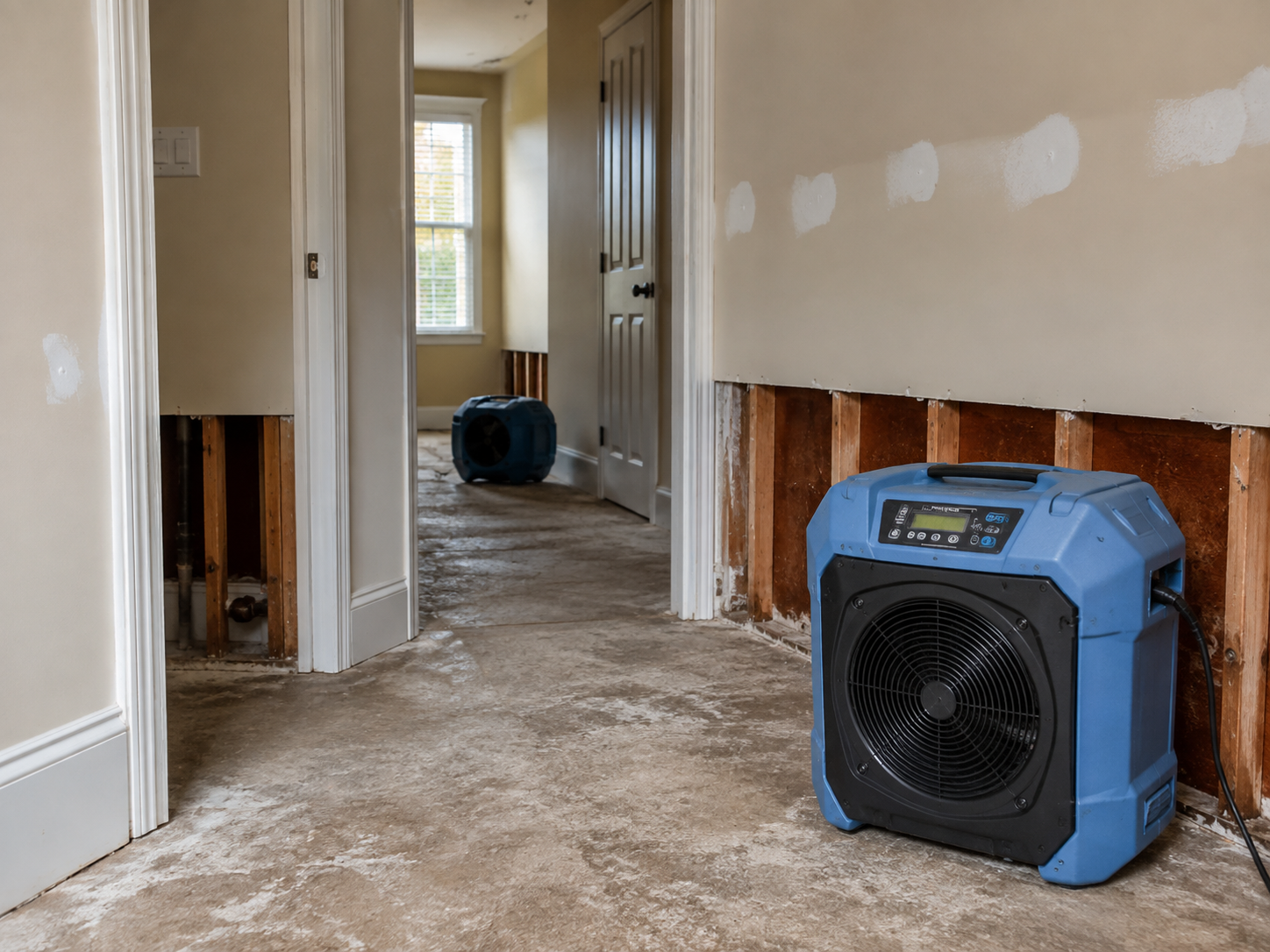
What Affects Mold Remediation Cost In Las Vegas?
Remediation cost starts with the amount of the property that is actually affected. A small, accessible area with limited material involvement is different from a project that reaches several rooms, walls, ceilings, cabinets, or concealed spaces. The work area must be reviewed so the scope reflects the size of the problem rather than a general flat assumption.
Material condition also changes the amount of work required. Drywall, insulation, ceiling material, cabinet backing, trim, flooring edges, and other porous finishes may need selective removal when they are heavily affected or cannot be cleaned in place. Structural wood and hard surfaces may require detailed cleaning instead. Each material adds different labor, containment, debris, and preparation needs.
Moisture conditions, access, containment, HEPA air management, drying requirements, and repair preparation can also affect the final project scope. Watermold Las Vegas focuses on what is needed at the property and explains the work areas before remediation begins. Because every mold condition is different, an accurate cost discussion should be based on the affected materials and the work required to leave the area ready for drying or repairs.
Which Factors Change Mold Remediation Cost In Las Vegas?
Mold remediation cost is shaped by the work required at the property rather than one single factor. The size of the affected area, material type, access difficulty, containment needs, cleanup method, moisture source, drying requirements, and property use can all change the scope. The sections below explain the main cost factors in simple terms so homeowners, landlords, managers, and business owners can better understand what may be included before remediation begins.
Cost Scope And Project Size
Affected Area Size
The size of the affected area is one of the main factors in remediation cost. A limited section of one room usually requires less setup, labor, cleaning, and debris handling than a project that extends across several walls, ceilings, rooms, or connected spaces. The work scope should match the confirmed area rather than the total building size.
Call NowNumber Of Rooms
A project that involves more than one room can require additional containment, access planning, equipment placement, cleaning time, and movement of debris. Separate rooms may also have different moisture sources or material conditions. The number of affected rooms helps determine how much work must be coordinated and how the remediation area should be organized.
Call NowContamination Depth
Surface growth that is limited to accessible materials is different from contamination that extends behind drywall, under finishes, or into wall and ceiling cavities. Deeper involvement can require controlled access and selective removal before cleaning can begin. The more layers that must be opened or handled, the greater the labor and project scope may become.
Call NowMaterial Conditions
Remediation cost changes when materials are stained, swollen, soft, deteriorated, or too affected to remain in place. Some surfaces may be cleaned, while porous materials may need selective removal. Reviewing the condition of drywall, insulation, cabinets, wood, trim, and other finishes helps define which tasks belong in the remediation scope.
Call NowContainment Level
Containment requirements depend on room layout, affected area size, nearby occupied spaces, access routes, and how much material will be disturbed. A simple work zone may need less setup than a larger or more open property area. Containment affects preparation time, protective materials, work sequencing, and how cleanup activity is separated from unaffected spaces.
Call NowAccess Difficulty
Easy-to-reach wall or ceiling areas are generally simpler to work on than tight closets, attic spaces, cabinet cavities, high ceilings, narrow mechanical areas, or concealed locations. Difficult access can add setup time and make material handling more involved. The work plan should account for safe access without opening unrelated areas of the property.
Call NowMaterial And Removal Factors
Drywall Removal
Drywall can increase remediation cost when affected sections must be removed rather than cleaned in place. The amount of wallboard involved, whether insulation sits behind it, and how easily the area can be reached all affect the work. Selective removal also creates debris handling and repair preparation that must be considered in the overall project scope.
Call NowInsulation Removal
Wet or contaminated insulation can require careful removal because it is porous and may hold moisture or debris. Attics, wall cavities, and ceiling spaces can also be harder to access than open rooms. The quantity of insulation, its location, and the work needed to expose the area can all affect the amount of remediation labor required.
Call NowCeiling Removal
Ceiling work may involve staining, leak damage, insulation above the surface, lighting openings, or difficult overhead access. When ceiling material needs removal, the project can require additional protection below the work zone and more careful debris control. The affected square footage and the source of moisture help define the final scope.
Call NowCabinet Removal
Mold around sinks, plumbing lines, or appliance connections can reach cabinet backs, toe kicks, shelving, or wall surfaces behind fixed units. If access requires partial cabinet removal or opening concealed areas, the work becomes more involved. The cost factor is tied to how much material must be moved, removed, cleaned, or prepared for repair.
Call NowWood Cleaning
Structural wood, framing, subfloors, and other suitable wood surfaces may be cleaned rather than removed when their condition allows. Cost depends on the amount of exposed wood, the level of surface cleaning needed, access to the material, and whether surrounding finishes must first be removed. Moisture correction remains important before the area is closed.
Call NowFlooring Access
Mold or moisture near flooring edges, baseboards, transitions, or underlayment can require access before the full condition is visible. The amount of trim or flooring that must be lifted, the material type, and the size of the affected perimeter can change the work scope. Careful access can help avoid unnecessary disturbance outside the affected area.
Call NowCleanup And Moisture Factors
Leak Source Work
A plumbing leak, roof leak, appliance problem, or other water source must be corrected so remediation work is not performed around an active moisture issue. Source repair may be separate from mold cleanup, but it affects scheduling and the order of work. Ongoing water can also increase the amount of material that stays wet and needs attention.
Call NowMoisture Checks
Moisture readings help determine whether walls, ceilings, floors, cabinets, or structural materials remain damp. The number of areas that must be checked and the extent of hidden moisture can influence drying and access needs. Moisture conditions matter because cleanup alone is not enough when water remains trapped behind or inside building materials.
Call NowDrying Support
Some mold projects also require drying before the area can move into repair work. Drying needs depend on how much material was wet, how long moisture remained, airflow, room size, and the location of the damage. Additional drying time or equipment can change the overall project scope even when the visible mold area appears limited.
Call NowHEPA Air Control
HEPA-supported air management may be used during remediation when material removal and detailed cleanup can release dust or particles inside the active work zone. The size and layout of the work area influence equipment needs and placement. Larger or separated zones can require more planning than a small contained room with limited material disturbance.
Call NowDetailed Cleaning
Detailed cleaning can include accessible surfaces, framing, hard materials, edges, ledges, and areas exposed after selective removal. Cost changes with the amount of surface area, the complexity of the space, and how much debris or residue must be addressed. A clean work zone also supports the transition into moisture review, drying, and repair preparation.
Call NowDebris Handling
Material removal creates debris that must be collected and moved out of the work area without spreading it through unaffected spaces. The volume of drywall, insulation, trim, cabinet material, or other removed items affects handling time. Stairs, long access paths, occupied buildings, and limited exits can also make debris movement more involved.
Call NowProperty Type Cost Factors
Home Project Scope
Home remediation cost depends on which living areas are affected and how those rooms are used. Bedrooms, kitchens, bathrooms, attics, closets, garages, and living spaces can each involve different materials and access conditions. Occupied homes may also require careful work-zone planning so unaffected areas remain separated while remediation is underway.
Call NowRental Project Scope
Rental properties can add coordination needs between owners, managers, tenants, and repair schedules. The remediation scope still depends on affected materials and moisture conditions, but access timing and occupied areas can influence how the work is staged. Clear documentation of the active work area helps keep cleanup and follow-up repairs organized.
Call NowApartment Project Scope
Apartment remediation may involve smaller rooms but more shared walls, plumbing lines, HVAC areas, and neighboring units. Access restrictions and occupied corridors can affect containment and debris routes. Cost is tied to the actual affected materials and work area, while building layout can influence how efficiently the project can be completed.
Call NowCondo Project Scope
Condo projects can involve shared walls, common building systems, unit access rules, and coordination with property management. The amount of remediation still depends on the affected area and materials, but access and building requirements may add planning. A focused scope helps separate unit-specific work from conditions that may involve shared building components.
Call NowOffice Project Scope
Office remediation can require scheduling around staff, customers, furniture, workstations, ceilings, and HVAC-connected areas. The size of the affected zone and the need to protect nearby occupied space can change containment and access requirements. After-hours or staged work may also affect how the project is organized before repairs or reopening.
Call NowCommercial Project Scope
Commercial properties vary widely in size, materials, ceiling height, access, operating hours, and building systems. A warehouse, retail space, restaurant, or service building may require a different work plan than a residence. Cost depends on the confirmed remediation area, material involvement, containment needs, moisture conditions, and coordination required for the property.
Call NowWhy Review Mold Remediation Cost Factors In Las Vegas?
Scope Based Cost
A useful cost discussion starts with the confirmed work area, not a generic price. Room count, affected square footage, material condition, containment, access, cleanup, moisture, and repair preparation all help define the actual remediation scope.
Material Driven Cost
Drywall, insulation, cabinets, ceilings, wood, and flooring edges do not require the same work. Whether a material can be cleaned or needs selective removal changes labor, debris handling, access, drying, and preparation for replacement finishes.
Clear Work Breakdown
Property owners should understand which areas are included, what materials need attention, which cleanup steps are planned, and what moisture or repair work may follow. A clear breakdown makes it easier to understand why one remediation project can cost more or less than another.
Mold Remediation Cost FAQs
Simple answers about mold remediation pricing, project scope, material removal, containment, moisture, access, and estimates.
Ask About Mold Remediation Cost In Las Vegas
Call Watermold Las Vegas to discuss the factors that may affect a remediation project, including affected area size, drywall or insulation removal, containment, hidden access, HEPA-supported cleanup, moisture conditions, drying needs, debris handling, and repair preparation. The project scope should be based on the property conditions that are actually found.