MOLD REMEDIATION SPECIALISTLAS VEGAS
A mold remediation specialist helps property owners address mold with a clear plan based on the affected materials, moisture source, room conditions, and cleanup needs. Watermold Las Vegas supports homes, rentals, managed properties, offices, and commercial spaces with containment planning, selective material removal, HEPA filtration support, detailed cleaning, odor-source attention, and moisture correction guidance. Service is available throughout Las Vegas, Henderson, North Las Vegas, Summerlin, Enterprise, Paradise, Spring Valley, Winchester, Sunrise Manor, and Clark County.
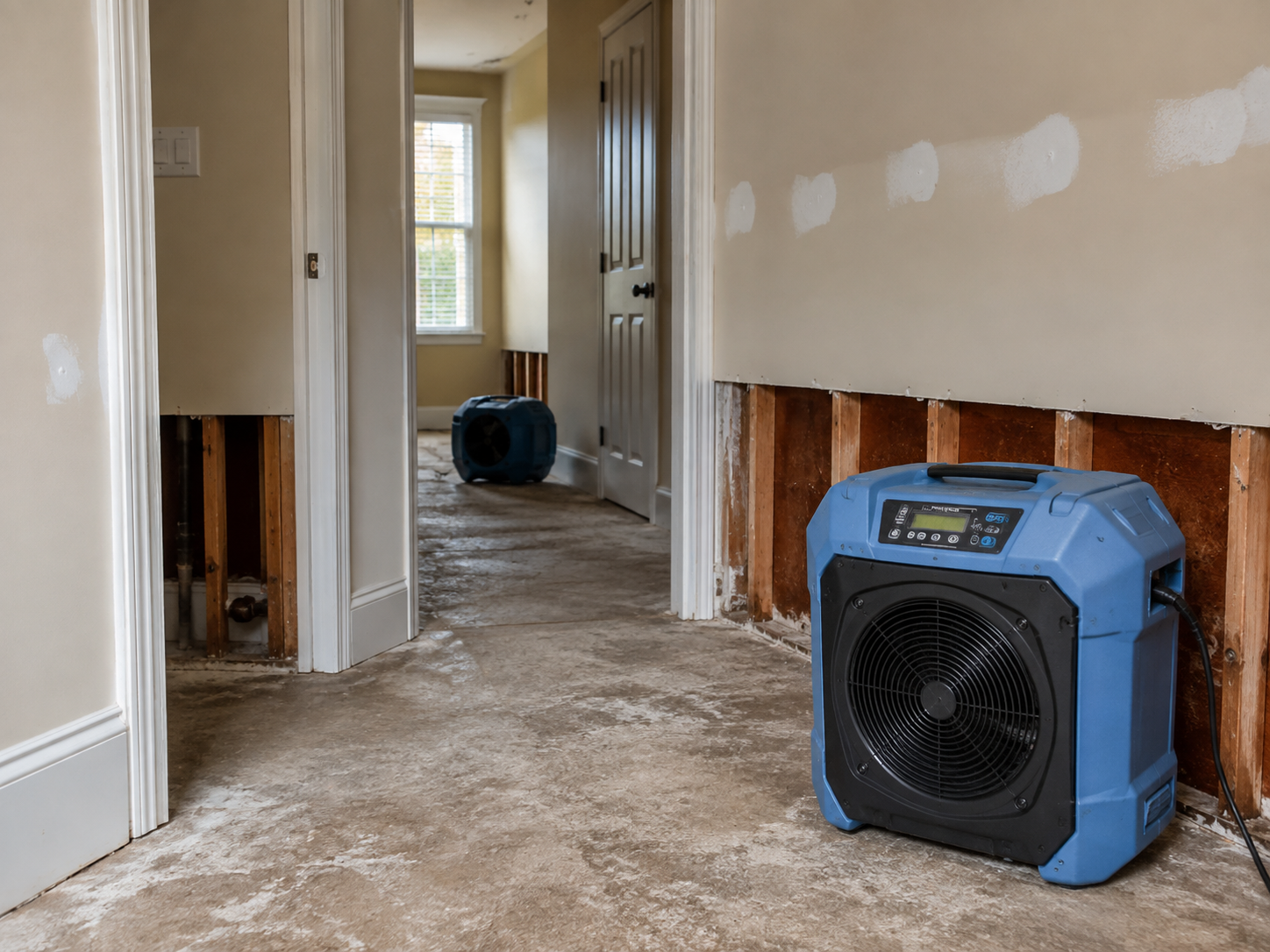
How Can A Mold Remediation Specialist Help In Las Vegas?
A mold remediation specialist starts by reviewing the affected area, visible growth, damp materials, odor concerns, and the moisture event connected to the problem. The goal is to define what needs attention before cleanup begins. This helps separate actual remediation work from unrelated repairs and gives the property owner a clearer picture of the next steps.
The remediation process can include work-area containment, removal of porous materials that cannot be cleaned, HEPA filtration support, detailed cleaning of suitable surfaces, moisture checks, and preparation for drying or repair work. Each step is based on the room and material condition instead of applying the same process to every property.
Watermold Las Vegas keeps the work organized and easy to understand. Homeowners, landlords, property managers, and business owners receive a practical scope that explains what is affected, what may need to be removed, what can be cleaned, and what should be corrected before walls, ceilings, cabinets, flooring, or other finishes are restored.
What Does A Mold Remediation Specialist Handle In Las Vegas?
A mold remediation specialist organizes the work around the actual condition of the property. That can include defining the work area, reviewing affected materials, controlling dust and airborne particles, removing materials that cannot be saved, cleaning remaining surfaces, checking moisture conditions, and preparing the space for drying or repairs. The service groups below separate those tasks into clear categories so property owners can understand how remediation changes from one room, leak, or building type to another.
Specialist Assessment And Containment
Affected Area Assessment
An affected area assessment reviews where mold is visible, which materials show staining or deterioration, where dampness may remain, and how the room is used. The specialist uses those details to define a practical work area before removal or cleaning starts. This keeps the scope tied to the actual property condition and helps identify access, containment, material handling, and drying needs.
Call NowContainment Preparation
Containment preparation creates a defined work zone before disturbed materials are removed or cleaned. The setup depends on room size, openings, access points, neighboring spaces, and the amount of work required. A planned work zone helps reduce unnecessary traffic through the area and supports a cleaner remediation process while damaged materials and affected surfaces are being handled.
Call NowRemoval Scope Planning
Removal scope planning determines which materials should remain, which can be cleaned, and which may need selective removal because contamination or moisture has penetrated too deeply. The plan also considers how materials will be taken out and what surfaces will become accessible afterward. A clear scope helps avoid unnecessary demolition and keeps the work focused on affected sections.
Call NowHEPA Filtration Support
HEPA filtration support may be used during remediation to help capture fine airborne particles within the active work area. Equipment placement and run time depend on the size of the space and the type of work being performed. Filtration supports the overall process, while material removal, surface cleaning, moisture correction, and work-area control address the physical conditions that allowed mold to develop.
Call NowMaterial Condition Review
A material condition review looks at drywall, insulation, wood, trim, cabinets, ceiling materials, and other finishes to determine how moisture and mold have affected them. Porous materials can behave differently from hard surfaces, so the cleanup method should match the material. This review helps the specialist decide what can reasonably be cleaned and what should be removed before repairs begin.
Call NowFinal Work Area Check
A final work area check confirms that the planned remediation steps have been completed and that the space is ready for continued drying, repair preparation, or the next phase of work. The specialist can review remaining surfaces, visible debris, obvious dampness, and unresolved source conditions. This helps prevent new finishes from being installed over materials that still need attention.
Call NowMaterial And Surface Remediation
Drywall Remediation
Drywall remediation addresses wallboard affected by leaks, trapped moisture, or mold growth. Because drywall is porous, sections with deeper contamination or damage may need controlled removal rather than surface cleaning alone. Once affected material is removed, exposed framing and nearby surfaces can be reviewed, cleaned as appropriate, dried, and prepared so replacement drywall is not installed over unresolved moisture.
Call NowCeiling Remediation
Ceiling remediation focuses on areas damaged by roof leaks, plumbing from upper floors, air-conditioning condensation, or prolonged humidity. Ceiling materials may hide moisture above the visible stain, so the work should follow the actual affected area. Remediation may include selective removal, access to concealed surfaces, cleaning, moisture checks, drying support, and preparation for ceiling repair after the source is corrected.
Call NowWall Cavity Remediation
Wall cavity remediation is used when moisture or mold is suspected behind finished walls. Plumbing leaks, window intrusion, condensation, or previous water damage can affect insulation, framing, drywall backing, and enclosed surfaces. Opening only the necessary section allows the specialist to review concealed conditions, remove damaged material, clean accessible surfaces, support drying, and prepare the cavity for proper closure once conditions are corrected.
Call NowCabinet Area Remediation
Cabinet area remediation addresses mold and moisture around sinks, supply lines, dishwashers, refrigerators, bathroom vanities, and other built-in areas. Water can move behind toe kicks, backing, side panels, and adjacent drywall where it is easy to miss. The specialist reviews the affected materials, identifies what can stay, and organizes removal or cleaning so the area can dry before repairs or cabinet work continue.
Call NowWood Surface Remediation
Wood surface remediation may involve framing, shelving, trim, roof decking, subfloor areas, or other wood that has been exposed to damp conditions. The approach depends on whether the wood is structurally sound, how deeply staining or growth is present, and whether moisture remains. Cleaning, controlled abrasion where appropriate, HEPA cleanup, and drying can be considered before the area moves into repair work.
Call NowInsulation Remediation
Insulation remediation is needed when insulation has been wet, contaminated, or trapped next to mold-affected building materials. Some insulation cannot be effectively cleaned once it has absorbed water or debris, especially inside enclosed walls or attics. Selective removal gives the specialist access to framing and hidden surfaces so those areas can be reviewed, cleaned, dried, and prepared for replacement insulation later.
Call NowMoisture And Leak Remediation
Leak Source Review
A leak source review helps connect the mold problem to the moisture event that allowed it to develop. Common sources include plumbing lines, roof leaks, appliance failures, window intrusion, condensation, and bathroom moisture. The remediation work should not be treated as complete if the active moisture source remains. Identifying the source early helps coordinate cleanup, drying, and repairs in the correct order.
Call NowPost Leak Remediation
Post leak remediation addresses mold or damaged materials that remain after the visible water has already been cleaned up. Moisture can stay inside drywall, cabinets, insulation, flooring edges, or wall cavities longer than expected. The specialist reviews what the leak reached, removes affected materials when needed, cleans exposed surfaces, checks remaining dampness, and helps prepare the area for repairs after drying is complete.
Call NowAC Moisture Remediation
AC moisture remediation focuses on mold around air handlers, supply areas, nearby drywall, closets, drain lines, or surfaces affected by condensation. The first step is understanding why moisture is collecting in that location. Remediation can then address damaged materials and accessible surfaces while the cooling-system moisture issue is corrected separately so the same damp condition does not continue after cleanup.
Call NowBathroom Moisture Remediation
Bathroom moisture remediation addresses repeated dampness around tubs, showers, sinks, vanities, walls, ceilings, baseboards, and enclosed plumbing areas. Surface cleaning alone may not be enough when water has entered drywall or cabinetry. The specialist reviews the material condition, ventilation and moisture pattern, removes materials that cannot be saved, cleans suitable surfaces, and supports drying before cosmetic repairs are completed.
Call NowAttic Moisture Remediation
Attic moisture remediation can be needed after roof leaks, ventilation problems, condensation, or long-term dampness affects roof decking, framing, insulation, or stored materials. The specialist reviews where moisture entered, which materials are affected, and how the space can be accessed safely. Remediation may include selective removal, surface cleaning, HEPA cleanup, drying support, and preparation for roof or insulation repairs.
Call NowOdor Source Remediation
Odor source remediation focuses on the material or moisture condition causing a persistent musty smell rather than masking the odor. Hidden damp drywall, insulation, cabinets, flooring edges, wall cavities, or stored materials can continue producing odor after the original water event. The specialist traces likely source areas, removes or cleans affected materials, supports drying, and confirms that the underlying moisture concern is being addressed.
Call NowProperty Remediation Services
Home Mold Remediation
Home mold remediation is planned around occupied rooms, family access, affected materials, and the source of moisture inside the property. Bedrooms, bathrooms, kitchens, attics, closets, garages, and living areas can require different work methods. The specialist defines the active area, organizes material handling and cleaning, and helps the homeowner understand what should happen before repairs, painting, or replacement finishes begin.
Call NowRental Mold Remediation
Rental mold remediation helps owners and managers address mold complaints, leak-related damage, damp bathrooms, cabinet moisture, and affected walls between or during tenancies. A clear work scope is important because different parties may need updates on access and repairs. The specialist documents the affected area, organizes remediation steps, and helps prepare the property for drying and restoration without expanding work into unaffected spaces.
Call NowApartment Mold Remediation
Apartment mold remediation can involve bathrooms, kitchens, HVAC closets, ceilings, shared-wall areas, and plumbing-related damage inside individual units. Multi-unit buildings require careful attention to where the moisture started and whether nearby materials are affected. The specialist focuses on the specific unit and work area, coordinates containment and material handling, and keeps the remediation scope clear for property management and occupants.
Call NowCondo Mold Remediation
Condo mold remediation addresses moisture and mold inside individually owned units where plumbing, windows, air-conditioning, bathrooms, or shared building elements may contribute to the problem. The specialist evaluates the affected interior materials, defines the work zone, and organizes cleanup based on what is accessible within the unit. Clear scope and communication help separate remediation work from association or building-system repairs.
Call NowOffice Mold Remediation
Office mold remediation helps businesses address roof leaks, restroom moisture, plumbing problems, ceiling stains, HVAC condensation, and musty areas without treating the entire workplace as one work zone. The specialist identifies the affected section, plans access and containment, handles damaged materials, and organizes cleaning so unaffected rooms can remain separate from the active remediation area whenever site conditions allow.
Call NowCommercial Mold Remediation
Commercial mold remediation supports retail spaces, warehouses, service businesses, offices, and managed properties with mold connected to water intrusion or persistent dampness. The specialist considers building access, operating hours, affected materials, equipment placement, and repair coordination when organizing the work. A defined scope helps the business understand what is being remediated, what can remain in place, and what should happen next.
Call NowWhy Choose A Mold Remediation Specialist In Las Vegas?
Defined Work Scope
The affected area is reviewed before cleanup so the work is based on visible conditions, material type, moisture history, access, and the actual rooms involved. A defined scope helps keep removal and cleaning focused instead of treating unrelated areas as part of the same problem.
Material Based Process
Drywall, insulation, wood, cabinets, ceilings, and hard surfaces do not respond to moisture in the same way. The remediation process is adjusted to the material condition so cleaning, selective removal, HEPA support, and drying steps match what is found at the property.
Clear Property Communication
Property owners receive straightforward information about what is affected, what may need to be removed, what can be cleaned, and what should happen before repairs begin. Clear communication helps homeowners, landlords, managers, and businesses coordinate remediation with drying and restoration work.
Mold Remediation Specialist FAQs
Clear answers about specialist mold remediation, containment, affected materials, moisture problems, cleanup, and repair preparation.
Call A Mold Remediation Specialist In Las Vegas
Get help with mold after leaks, recurring moisture, damp drywall, bathroom humidity, attic problems, cabinet damage, ceiling staining, persistent odors, or other property conditions that need a defined remediation plan and careful material handling.