MOLD REMOVAL CONTRACTORLAS VEGAS
A mold removal contractor helps property owners organize removal work when mold affects drywall, ceilings, insulation, cabinets, wood, or other building materials. Watermold Las Vegas plans the job around the affected area, material condition, moisture source, access, and repair needs. Work can include containment setup, controlled material removal, HEPA cleanup support, surface cleaning, moisture checks, odor-source attention, and preparation for restoration in homes, rentals, offices, and commercial properties throughout Las Vegas and the surrounding service area.
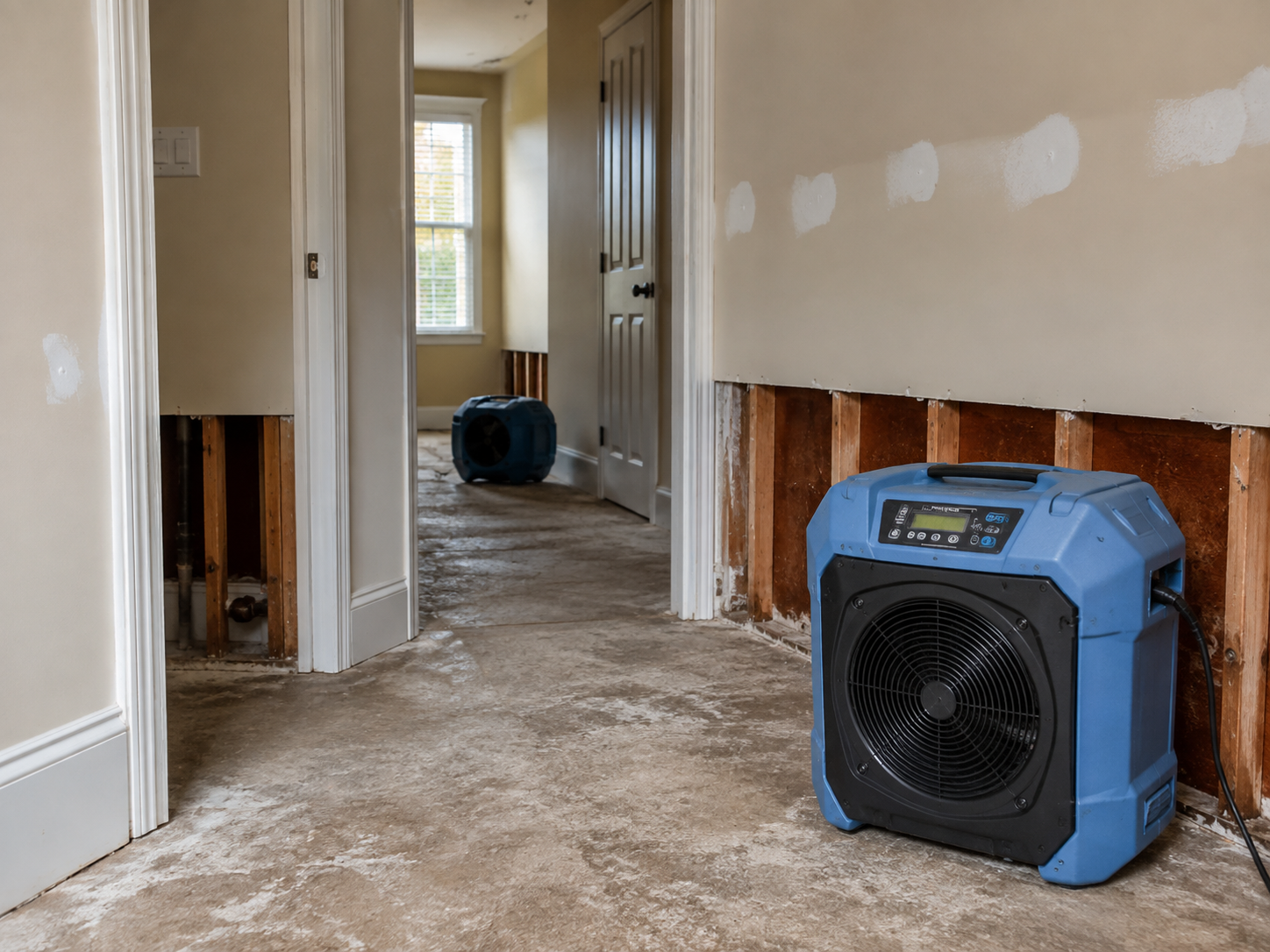
How Can A Mold Removal Contractor Help In Las Vegas?
A mold removal contractor starts by identifying the part of the property that needs work and reviewing the materials inside that area. Visible growth, water staining, damp drywall, damaged insulation, cabinet swelling, ceiling marks, and persistent odors can all help define the job. The first step is to create a clear removal scope so the work stays focused on affected materials instead of opening unrelated areas.
The contractor can then organize containment, access protection, selective demolition, debris handling, HEPA-supported cleanup, surface cleaning, and moisture checks. Porous materials that are heavily affected may need removal, while suitable hard or structural surfaces can be cleaned based on their condition. The work sequence also considers where drying or source repairs need to happen before new finishes are installed.
Watermold Las Vegas keeps the process straightforward for homeowners, landlords, property managers, and business owners. The job is planned around what needs to be removed, what can remain, how the work area will be controlled, and what should happen next. This makes it easier to coordinate mold removal with plumbing, roofing, HVAC, drying, drywall, cabinet, flooring, or other repair work.
What Does A Mold Removal Contractor Handle In Las Vegas?
A mold removal contractor coordinates the physical work needed to remove affected materials and leave the area ready for drying, cleaning, and repairs. The job can include work-zone setup, selective removal, debris handling, HEPA cleanup support, moisture checks, surface cleaning, and coordination with source repairs. The service groups below separate the work into practical stages so property owners can understand how the contractor approaches different materials, moisture events, and property types without repeating the same process in every area.
Contractor Project Setup
Site Condition Review
The job begins with a site condition review focused on the rooms, materials, and moisture history connected to the mold concern. The contractor looks at visible growth, staining, soft materials, damaged finishes, access points, and nearby surfaces. This review helps define where work should start, which areas need protection, and what materials may require removal before the space can move into cleaning, drying, and repair preparation.
Call NowWork Area Containment
Work area containment separates the active mold removal zone from nearby rooms before materials are disturbed. The setup can account for doorways, hallways, open floor plans, return-air locations, and the path used to remove debris. A defined work zone supports cleaner job-site control and helps keep demolition dust and removed material from moving unnecessarily through unaffected parts of the property.
Call NowRemoval Scope Setup
Removal scope setup identifies the materials that are included in the job before demolition begins. The contractor considers whether drywall, insulation, trim, cabinets, ceiling materials, or other finishes are visibly affected, deteriorated, or too damp to remain. A clear scope helps limit unnecessary removal and gives the property owner a practical outline for cleanup, drying, and the repair work that follows.
Call NowAccess And Protection
Access and protection planning covers the path workers and materials will use during the project. Floors, nearby finishes, furniture zones, doors, and transition areas may need protection based on the room and job size. Good access planning helps the contractor move removed material out efficiently while reducing avoidable contact with finished surfaces that are outside the active mold removal area.
Call NowHEPA Air Control
HEPA air control can support the work area while affected materials are being removed and surfaces are being cleaned. Equipment needs depend on room size, access, the amount of disturbed material, and the overall job scope. HEPA filtration is one part of the process and works alongside containment, careful debris handling, surface cleaning, moisture correction, and proper preparation for the next repair stage.
Call NowCleanup Sequence Plan
A cleanup sequence plan organizes the order of removal, surface cleaning, debris pickup, moisture checks, and final work-area review. Planning the sequence helps prevent completed areas from being disturbed again and makes the job easier to coordinate with drying or repair contractors. The goal is a clear progression from affected material removal to a cleaner, accessible space that is ready for follow-up work.
Call NowControlled Material Removal
Drywall Removal
Drywall can hold moisture and mold below the painted surface after plumbing leaks, roof leaks, or long periods of dampness. When affected wallboard cannot reasonably remain, the contractor can remove only the necessary sections to expose the wall cavity and framing. The opened area can then be cleaned, checked for remaining moisture, and prepared for drying before replacement drywall is installed.
Call NowCeiling Material Removal
Ceiling material removal may be needed when leaks or condensation leave drywall, texture, insulation, or adjacent materials stained and mold-affected. The contractor plans access around lights, vents, fixtures, and the leak location before removing damaged sections. Once opened, the ceiling space can be reviewed for wet insulation, framing conditions, and remaining moisture that should be addressed before closing the area again.
Call NowInsulation Removal
Insulation can trap moisture after roof leaks, plumbing failures, or wall and ceiling water intrusion. Material that stays damp or becomes contaminated may need to be removed so the cavity can be inspected and dried. The contractor handles removal as part of the defined work area, then leaves the exposed space accessible for cleaning, moisture checks, source correction, and later insulation replacement when conditions are ready.
Call NowCabinet Area Removal
Cabinet areas can hide mold after sink leaks, supply-line failures, appliance leaks, or long-term moisture along walls. The contractor can open or remove affected toe kicks, backing, trim, or cabinet components when access is needed to reach damp materials behind them. The work is limited to the affected area so hidden wall, floor, and cabinet conditions can be cleaned, dried, and prepared for repair.
Call NowWood Surface Cleaning
Wood framing, shelving, subfloor edges, and other structural or finish wood may remain in place when the material condition allows it. The contractor can expose the affected surface, remove nearby damaged porous material, and clean the wood as appropriate for the job. Moisture checks remain important because the surface should be dry enough before walls, insulation, trim, cabinets, or other finishes are rebuilt around it.
Call NowFlooring Edge Cleanup
Mold and moisture can collect along flooring edges, baseboards, tack strips, underlayment transitions, and wall-to-floor joints after leaks or overflows. The contractor can remove affected trim or edge materials to access the problem area without automatically removing an entire floor. This targeted approach makes it easier to clean exposed surfaces, check moisture, and determine what flooring components can remain during the repair process.
Call NowLeak And Moisture Removal
Plumbing Leak Mold Work
Plumbing leaks can affect wall cavities, vanities, cabinets, ceilings, baseboards, and flooring long after the active water is stopped. A mold removal contractor can open the affected area, remove damaged porous materials, clean accessible surfaces, and check for remaining dampness. The removal work is coordinated around the repaired plumbing source so the property is not closed back up while moisture conditions still need attention.
Call NowRoof Leak Mold Work
Roof leaks often leave hidden damage above ceilings or behind upper wall sections. The contractor can remove affected ceiling material, insulation, or nearby finishes after the roof source is corrected or controlled. Opening the area allows framing, decking-adjacent surfaces, and insulation spaces to be reviewed and cleaned, while moisture checks help determine when the interior is ready for replacement materials and finish repairs.
Call NowAC Condensation Mold Work
AC condensation and drain problems can create recurring moisture around closets, ceilings, return-air areas, wall cavities, and nearby flooring. Mold removal work may include opening affected finishes, removing damaged porous material, cleaning accessible surfaces, and checking for wet areas that remain after the HVAC issue is corrected. Coordinating the removal with the source repair helps reduce the chance of rebuilding over an unresolved moisture condition.
Call NowBathroom Moisture Cleanup
Bathrooms can develop mold around shower walls, ceilings, vanities, baseboards, and enclosed spaces where repeated moisture or ventilation problems keep materials damp. The contractor can remove affected drywall, trim, cabinet components, or other porous finishes when needed, then clean accessible surfaces and leave the area ready for drying. The moisture source should also be addressed before new finishes are installed.
Call NowAttic Moisture Cleanup
Attic mold work can involve roof-decking areas, framing, insulation, and ceiling penetrations affected by leaks, trapped moisture, or ventilation conditions. The contractor defines the accessible work zone, removes damaged insulation or other affected materials as needed, and cleans suitable exposed surfaces. The attic should also be checked for continuing moisture so insulation and interior ceiling repairs are not completed before the underlying condition is corrected.
Call NowPost Water Damage Cleanup
After water damage, materials may appear dry on the surface while moisture remains inside drywall, insulation, cabinets, or floor edges. The contractor can remove mold-affected materials that developed after the water event and provide access for continued drying. Cleanup is organized around the actual damaged area so the property can move from water loss conditions into mold removal, moisture verification, and repair preparation without unnecessary demolition.
Call NowProperty Mold Removal Work
Home Mold Removal
Home mold removal can involve bathrooms, kitchens, bedrooms, attics, closets, laundry areas, garages, and other spaces affected by leaks or persistent moisture. The contractor organizes containment, selective material removal, cleanup, and moisture checks around the occupied property. The goal is to complete the necessary work with a clear scope and leave affected areas ready for drying and household repair work.
Call NowRental Property Removal
Rental property mold removal requires a clear work area and straightforward communication between the property owner, manager, tenant, and repair teams. The contractor can document the active removal scope, handle affected materials, clean the work zone, and identify areas that still need drying or source correction. Organized job planning helps reduce confusion when access windows, tenant schedules, and follow-up repairs need to be coordinated.
Call NowApartment Mold Removal
Apartment mold removal often focuses on bathrooms, kitchens, HVAC closets, ceiling leaks, shared plumbing walls, and other compact areas where moisture can spread quickly. The contractor can limit the work to affected materials, control the active zone, remove damaged finishes, and prepare exposed surfaces for drying. A defined scope is especially useful in multi-unit properties where neighboring spaces and shared systems may influence access.
Call NowCondo Mold Removal
Condo mold removal can involve interior plumbing leaks, AC moisture, bathroom humidity, window intrusion, or water from an adjacent unit. The contractor reviews the affected interior area and plans removal around shared walls, ceilings, cabinets, flooring edges, and building access rules. Targeted work helps expose hidden dampness while keeping the removal scope focused on the materials inside the unit that actually need attention.
Call NowOffice Mold Removal
Office mold removal may be needed after roof leaks, HVAC condensation, restroom plumbing problems, ceiling stains, or damp wall materials. The contractor can organize the work area to reduce unnecessary disruption, remove affected finishes, clean exposed surfaces, and coordinate around business access. The job can be phased by room or work zone when operating schedules make a single large closure impractical.
Call NowCommercial Mold Removal
Commercial mold removal supports retail spaces, warehouses, service buildings, offices, and other properties where affected materials need controlled removal and cleanup. The contractor plans access, containment, material handling, HEPA-supported cleaning, and moisture checks around the building layout and operating needs. A clear project scope makes it easier to coordinate removal with property management, source repairs, drying, and reconstruction work.
Call NowWhy Use A Mold Removal Contractor In Las Vegas?
Defined Work Scope
The affected area is reviewed before cleanup so the work is based on visible conditions, material type, moisture history, access, and the actual rooms involved. A defined scope helps keep removal and cleaning focused instead of treating unrelated areas as part of the same problem.
Material Based Process
Drywall, insulation, wood, cabinets, ceilings, and hard surfaces do not respond to moisture in the same way. The remediation process is adjusted to the material condition so cleaning, selective removal, HEPA support, and drying steps match what is found at the property.
Clear Property Communication
Property owners receive straightforward information about what is affected, what may need to be removed, what can be cleaned, and what should happen before repairs begin. Clear communication helps homeowners, landlords, managers, and businesses coordinate remediation with drying and restoration work.
Mold Removal Contractor FAQs
Straight answers about contractor mold removal, containment, affected materials, leak-related work, cleanup, moisture checks, and repair preparation.
Call A Mold Removal Contractor In Las Vegas
Get help with mold after plumbing leaks, roof leaks, AC condensation, damp drywall, ceiling damage, bathroom moisture, cabinet leaks, attic problems, or persistent odors. Watermold Las Vegas can organize containment, material removal, cleanup, moisture checks, and repair preparation around the affected area.