Residential MoldInspection Las Vegas
Residential mold inspection focuses on visible mold signs, moisture conditions, water staining, damaged materials, and areas where leaks or condensation may be affecting a home. Bathrooms, kitchens, bedrooms, closets, attics, walls, ceilings, drywall, cabinets, windows, and HVAC-adjacent spaces can all require a closer review. Water Mold Las Vegas organizes a practical visual inspection around accessible conditions, moisture concerns, affected materials, recent water events, and the next appropriate steps based on what is found.
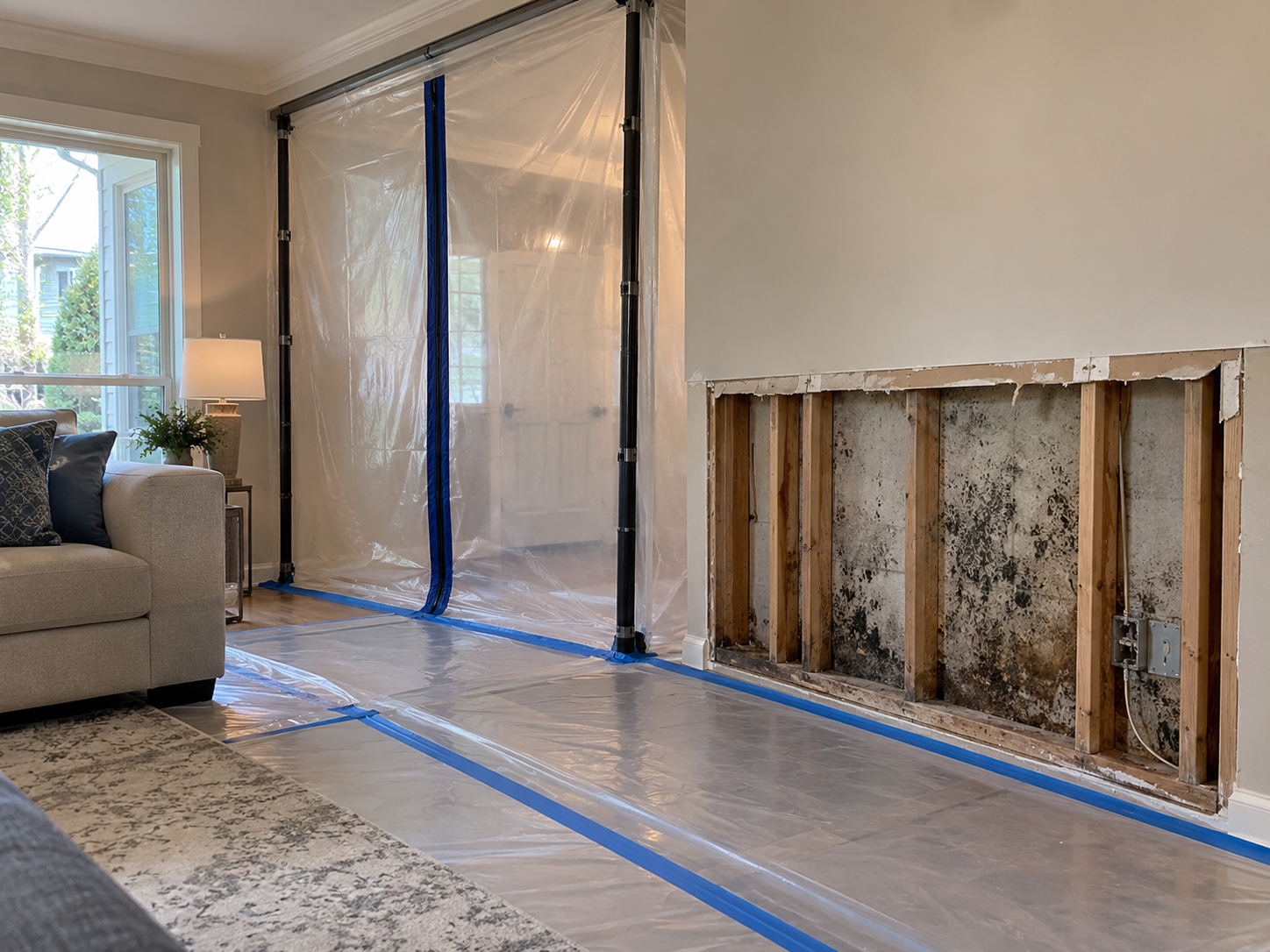
What Does A Home Mold Inspection Review?
Inspection can include bathrooms, kitchens, bedrooms, closets, attics, walls, ceilings, drywall, cabinets, windows, and accessible HVAC-adjacent areas. The review stays focused on observed conditions and does not assume that every stain, odor, or dark surface is mold without supporting evidence.
Water Mold Las Vegas can document visible conditions, review likely moisture sources, identify areas that may need closer access, and explain what was observed in simple terms. When conditions suggest that material removal, drying, repair, or separate testing should be considered, those next steps can be discussed based on the actual home conditions.
What Is Included In A Residential Mold Inspection?
Residential mold inspection is organized around visible conditions, moisture concerns, recent leaks, material changes, room use, accessibility, and the areas a homeowner is concerned about. The inspection can include visual review, moisture-related observations, accessible surface checks, leak-history discussion, condition documentation, and identification of locations that may need further evaluation. Each service below stays focused on inspection findings rather than assuming mold removal or testing is required.
Common Home Inspection Areas
Visual Mold Inspection
A visual mold inspection reviews accessible surfaces for visible growth, staining, discoloration, material changes, and moisture-related conditions that may need attention. Walls, ceilings, drywall, trim, cabinets, windows, and other accessible finishes can be checked without assuming every mark is mold. The review considers location, pattern, nearby moisture, and recent water history so the homeowner receives a clearer picture of what is visible and where closer evaluation may be useful. Inspection findings support practical next steps.
Call NowMoisture Condition Review
A moisture condition review looks for signs that building materials may be damp or repeatedly exposed to water. Staining, softened drywall, swelling, peeling finishes, condensation, and recurring dampness can help point toward areas that deserve closer attention. The inspection can consider bathrooms, kitchens, windows, ceilings, walls, cabinets, and other accessible locations. Findings remain tied to observed home conditions rather than assumptions about areas that cannot be seen. Documented observations support practical follow-up and next steps.
Call NowBathroom Mold Inspection
Bathroom mold inspection focuses on accessible ceilings, walls, drywall, vanities, cabinets, trim, shower-adjacent areas, and other surfaces where leaks, condensation, or recurring humidity may create visible concerns. The review can note staining, material changes, moisture patterns, and areas that may need additional attention. It does not assume that every dark mark is mold and stays focused on visible evidence and likely moisture conditions inside the bathroom. Documented observations help guide practical follow-up and next steps.
Call NowKitchen Mold Inspection
Kitchen mold inspection reviews accessible sink areas, cabinets, drywall, ceilings, wall finishes, appliance-adjacent spaces, and flooring edges for visible growth, staining, leak evidence, or moisture-related changes. Plumbing and appliance water can affect concealed areas before damage becomes obvious. The inspection focuses on what can be observed, where moisture may be coming from, and whether a specific area appears to need closer access, drying review, repair, or additional evaluation. Clear inspection findings support practical next steps.
Call NowBedroom Mold Inspection
Bedroom mold inspection checks accessible walls, ceilings, drywall, closets, windows, trim, furniture-adjacent wall areas, and other visible surfaces for staining, moisture signs, or possible growth. Window condensation, roof leaks, plumbing from nearby rooms, or hidden moisture can sometimes affect bedroom materials. The review stays focused on visible conditions, material changes, and moisture clues so the homeowner can understand which areas appear normal and which deserve closer attention. Documented observations support practical follow-up and next steps.
Call NowCloset Mold Inspection
Closet mold inspection reviews accessible walls, ceilings, drywall, shelving areas, baseboards, stored-item surroundings, and adjoining surfaces for visible growth, staining, condensation, or moisture-related material changes. Limited airflow and nearby plumbing or exterior walls can sometimes contribute to damp conditions. The inspection focuses on observed surfaces and moisture clues without assuming hidden mold is present, helping identify whether the closet or nearby materials need further evaluation. Documented inspection observations help guide reasonable follow-up and next steps.
Call NowInterior Mold Inspection Areas
Attic Mold Inspection
Attic mold inspection reviews accessible roof-adjacent materials, framing, insulation edges, sheathing, penetrations, and visible surfaces for staining, moisture patterns, ventilation concerns, or possible growth. Roof leaks, condensation, and temperature differences can affect attic conditions. The inspection is limited to safely accessible areas and focuses on what can be observed directly. Findings can help identify whether visible moisture or material conditions appear to need further attention. Documented inspection observations help guide reasonable follow-up and next steps.
Call NowWall Mold Inspection
Wall mold inspection reviews accessible drywall, wall coverings, trim, baseboards, window-adjacent sections, and other finished surfaces for visible growth, staining, swelling, peeling, or signs of moisture. Plumbing leaks, exterior water entry, condensation, and roof water can affect walls in different ways. The inspection focuses on observed patterns and nearby moisture clues, helping determine whether a specific wall area should be monitored, opened, dried, repaired, or evaluated further. Documented observations support practical follow-up and next steps.
Call NowCeiling Mold Inspection
Ceiling mold inspection reviews accessible drywall, plaster, ceiling tile, stains, discoloration, surface changes, and areas near roof or plumbing paths for signs of moisture or possible growth. A visible ceiling stain may have several causes, so the inspection considers its location and nearby water history rather than assuming mold is present. The review stays focused on accessible ceiling conditions and visible evidence. Documented inspection observations help guide appropriate follow-up based on the actual home conditions.
Call NowDrywall Mold Inspection
Drywall mold inspection checks accessible wallboard for visible growth, staining, soft spots, swelling, peeling finishes, and other changes that may relate to moisture. The review can consider nearby plumbing, roof leaks, window entry, condensation, and recent water events. Because drywall can conceal conditions behind its surface, inspection findings remain limited to observable evidence unless additional access is appropriate. The goal is to identify areas that deserve closer attention. Clear inspection findings support practical next steps.
Call NowCabinet Mold Inspection
Cabinet mold inspection reviews accessible kitchen cabinets, bathroom vanities, sink bases, toe kicks, backs, side panels, and nearby wall surfaces for staining, moisture, swelling, odors, or possible growth. Plumbing leaks and trapped moisture can affect enclosed spaces before damage becomes obvious. The review stays focused on accessible cabinet conditions and visible evidence. The review stays focused on accessible cabinet conditions and visible evidence. Documented inspection observations help guide appropriate follow-up based on actual home conditions.
Call NowWindow Mold Inspection
Window mold inspection reviews frames, sills, drywall returns, trim, seals, and nearby finishes for condensation, staining, soft materials, water entry, or visible growth. Moisture around windows can come from indoor condensation, exterior intrusion, drainage issues, or seal problems. The inspection considers patterns and surrounding material conditions without assuming a single cause. Findings can help identify whether the concern appears localized or whether nearby walls and finishes deserve additional review. Inspection findings support practical next steps.
Call NowMoisture And Leak Inspection
HVAC Area Inspection
HVAC-area mold inspection reviews accessible spaces around air handlers, vents, drain lines, mechanical closets, ceiling areas, and nearby finishes for moisture, staining, condensation, or visible growth. Mold near HVAC equipment does not automatically mean the entire system is affected. The inspection stays focused on accessible building materials and obvious moisture conditions, helping distinguish a localized concern from a broader issue that may require separate HVAC evaluation or additional access. Inspection findings support practical next steps.
Call NowRoof Leak Inspection
Roof-leak mold inspection reviews accessible ceilings, upper walls, attic-adjacent areas, drywall, insulation edges, and interior finishes for staining, moisture patterns, material changes, or possible growth after roof water entry. A visible stain may not show the full path water traveled. The review stays focused on accessible roof conditions and visible evidence. The review stays focused on accessible roof conditions and visible evidence. Documented inspection observations help guide appropriate follow-up based on the actual home conditions.
Call NowPlumbing Leak Inspection
Plumbing-leak mold inspection reviews accessible walls, ceilings, cabinets, flooring edges, drywall, and nearby finishes after supply, drain, fixture, or hidden plumbing problems. Water may travel behind surfaces before visible damage appears. The inspection looks for staining, swelling, softened materials, moisture patterns, or possible growth around the suspected leak path. Findings can help identify where conditions appear normal and where closer evaluation, drying, access, or repair may be needed. Clear inspection findings support practical next steps.
Call NowCondensation Inspection
Condensation-related mold inspection reviews accessible windows, vents, ceilings, walls, closets, bathrooms, and other areas where repeated surface moisture may develop. The inspection looks for recurring dampness, staining, material changes, or visible growth while considering airflow, temperature differences, and nearby moisture sources. Condensation does not automatically mean mold is present, so the review focuses on observed evidence and helps identify locations where moisture control or further evaluation may be appropriate. Inspection findings support practical next steps.
Call NowWater Damage Inspection
Water-damage mold inspection reviews areas affected by roof water, plumbing leaks, appliance failures, HVAC moisture, or other water events for staining, material changes, dampness, and visible growth. The inspection considers the known water path and accessible surrounding materials rather than assuming every nearby area is affected. Walls, ceilings, drywall, cabinets, and flooring edges can be reviewed to identify where damage appears limited and where additional evaluation may be useful. Inspection findings support practical next steps.
Call NowHidden Mold Indicators
Hidden mold indicators can include recurring odors, staining, soft drywall, peeling finishes, repeated dampness, unexplained material changes, or moisture near concealed building areas. A residential inspection can review accessible surfaces around those concerns and consider nearby leak or condensation history. The review stays focused on accessible hidden conditions and visible evidence. The review stays focused on accessible hidden conditions and visible evidence. Documented inspection observations help guide appropriate follow-up based on the actual home conditions.
Call NowResidential Inspection Support
Black Mold Inspection
Residential black mold inspection reviews visible dark-colored growth, staining, moisture conditions, and affected materials without assuming color identifies a specific mold species. Bathrooms, kitchens, walls, ceilings, drywall, cabinets, windows, and other accessible areas can be checked for visible evidence and nearby moisture. The review stays focused on accessible black conditions and visible evidence. The review stays focused on accessible black conditions and visible evidence. Documented inspection observations help guide appropriate follow-up based on the actual.
Call NowPost Leak Inspection
Post-leak mold inspection reviews accessible building materials after a roof, plumbing, appliance, or other water event has been stopped. Walls, ceilings, drywall, cabinets, flooring edges, and nearby finishes can be checked for staining, swelling, soft materials, lingering dampness, or visible growth. The inspection focuses on the known water path and current conditions, helping identify areas that appear dry and stable as well as locations that may need closer evaluation. Inspection findings support practical next steps.
Call NowOccupied Home Inspection
Residential mold inspection in an occupied home considers normal living areas, furniture, belongings, pets, daily routines, and access limitations while reviewing visible conditions. The inspection can focus on homeowner concerns, recent leaks, odors, staining, damp materials, and accessible areas without unnecessarily disturbing unaffected spaces. The review stays focused on accessible occupied conditions and visible evidence. The review stays focused on accessible occupied conditions and visible evidence. Documented observations help guide practical follow-up and next steps.
Call NowMold Damage Assessment
A residential mold damage assessment reviews visible growth, staining, moisture sources, material deterioration, leak history, room connections, and accessible areas before any removal or repair decisions are made. The assessment can include walls, ceilings, drywall, cabinets, bathrooms, kitchens, bedrooms, closets, attics, and HVAC-adjacent materials. It helps identify which areas show visible concerns, which appear unaffected, and where additional moisture review, access, drying, repair, or testing may be considered. Clear inspection findings support practical next steps.
Call NowInspection Findings Review
An inspection findings review organizes observed mold signs, moisture conditions, staining, damaged materials, likely water sources, accessible areas, and locations that could not be fully evaluated. The goal is to explain what was seen in clear terms without overstating hidden conditions. The review stays focused on accessible inspection conditions and visible evidence. The review stays focused on accessible inspection conditions and visible evidence. Documented inspection observations help guide appropriate follow-up based on actual home conditions.
Call NowInspection Scope Review
A residential inspection scope review defines the rooms, materials, visible concerns, moisture history, and accessible areas that will be checked before the inspection begins. The scope can prioritize homeowner concerns while keeping the review practical and focused. Bathrooms, kitchens, bedrooms, closets, attics, walls, ceilings, drywall, cabinets, windows, and HVAC-adjacent areas may be included when accessible. Clear scope helps prevent assumptions about spaces that were not observed directly. Documented observations support practical follow-up and next steps.
Call NowWhy Inspect Mold Concerns Early?
Identify Visible Concerns
A residential mold inspection helps identify visible growth, staining, material changes, moisture patterns, and areas that may deserve closer attention before conditions become harder to understand. The review can separate obvious concerns from surfaces that appear normal and keeps the focus on accessible evidence. The review stays focused on accessible home conditions and visible evidence. The review stays focused on accessible home conditions and visible evidence. Documented observations help guide practical follow-up and next steps.
Trace Moisture Clues
Moisture clues often provide important context during a residential mold inspection. Roof leaks, plumbing problems, condensation, appliance water, window intrusion, or HVAC-related moisture can affect walls, ceilings, drywall, cabinets, and other materials. Reviewing stains, dampness, swelling, soft surfaces, and leak history can help connect visible concerns to likely moisture sources. The inspection remains focused on observable conditions and avoids assuming hidden damage without supporting evidence. Documented inspection observations help guide reasonable follow-up and next steps.
Plan Practical Follow Up
Residential mold inspection findings can help homeowners plan reasonable next steps without treating every concern the same. Some areas may only need monitoring or moisture correction, while others may justify closer access, drying, repair, remediation, or separate testing. A clear summary of observed conditions, affected materials, likely moisture sources, and inspection limitations helps keep follow-up focused on the actual home areas that showed evidence during the review. Documented observations support practical follow-up and next steps.
Residential Mold Inspection FAQs
Clear answers about home mold inspection, inspection areas, testing, hidden concerns, roof leaks, HVAC moisture, follow-up, and when to inspect.
Schedule A Residential Mold Inspection
Call Water Mold Las Vegas to discuss visible mold signs, moisture concerns, ceiling stains, damp drywall, bathroom or kitchen issues, roof leaks, plumbing problems, window condensation, attic concerns, or recent water damage. The inspection stays focused on accessible conditions, observed material changes, likely moisture sources, homeowner concerns, and whether specific areas may need closer evaluation, drying, repair, remediation, or separate testing.