Residential Mold Removaland Abatement Las Vegas
Residential mold removal and abatement focuses on separating affected home materials from clean areas, removing damaged porous components when needed, cleaning retained surfaces, and reducing remaining moisture before repairs begin. Projects can involve bathrooms, kitchens, bedrooms, closets, attics, walls, ceilings, drywall, cabinets, windows, and HVAC-adjacent areas. Water Mold Las Vegas organizes a defined work zone, controlled access, debris handling, moisture checks, drying support, and repair preparation around the actual conditions found inside the home.
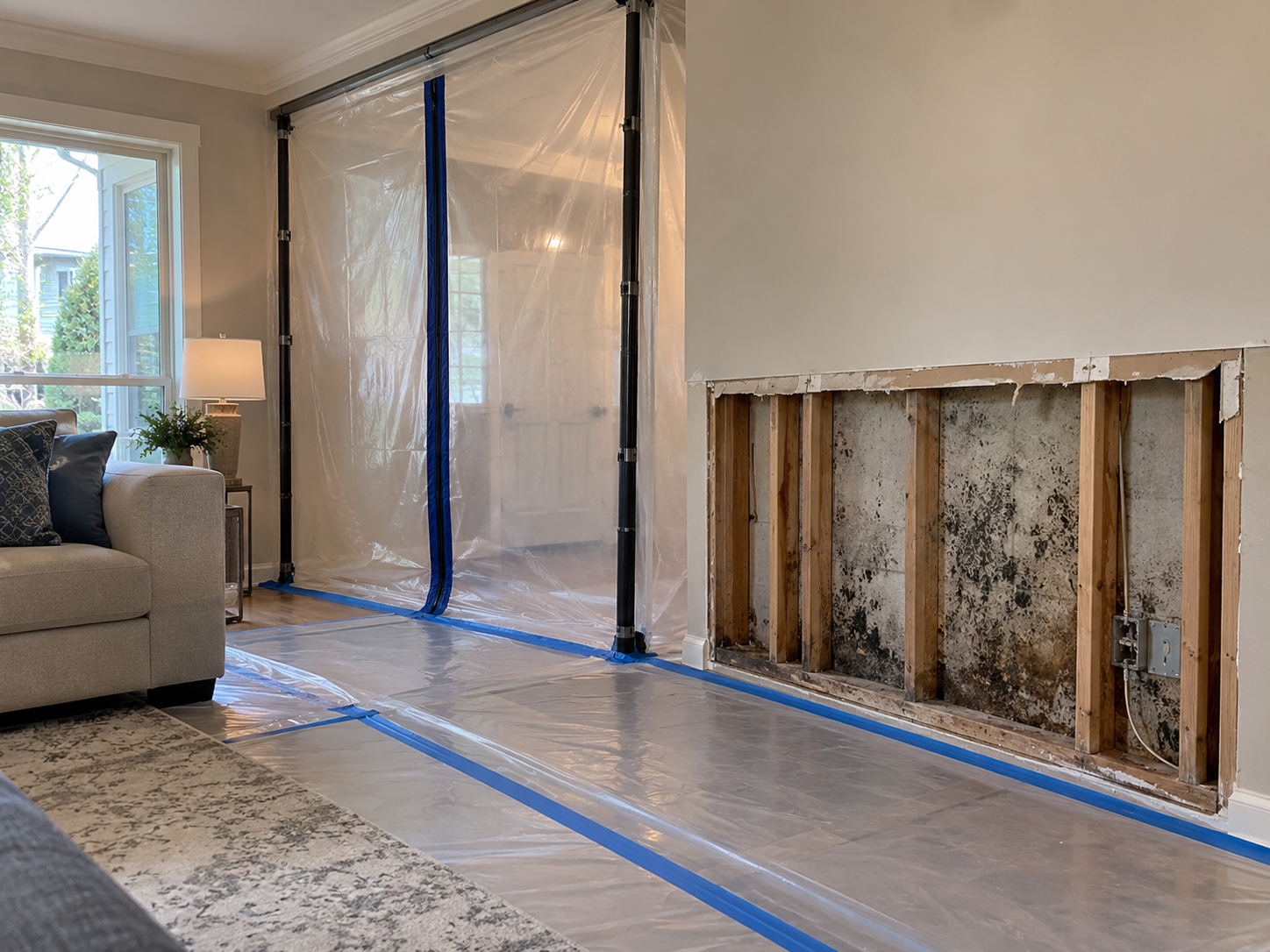
How Is Mold Abatement Planned In A Home?
Abatement can involve setting a defined work zone, limiting unnecessary traffic, removing damaged drywall or other porous materials, cleaning retained surfaces, managing debris, checking moisture, and supporting drying. The objective is to keep the work focused while avoiding unnecessary demolition in unaffected areas.
Water Mold Las Vegas organizes the process around the confirmed home conditions. After source correction and removal work, the area can be checked for remaining moisture, cleanup needs, and repair readiness before replacement finishes are installed.
What Is Included In Residential Mold Abatement?
Residential mold abatement can involve more than removing visible growth. The work may include isolating an affected room, protecting nearby areas, removing damaged porous materials, cleaning retained components, handling debris carefully, checking moisture, supporting drying, and preparing the space for repairs. Each part of the process below addresses a different residential condition so the work remains focused on the actual materials, room use, and moisture history present in the home.
Residential Abatement Work Areas
Bathroom Mold Abatement
Bathroom mold abatement can involve walls, ceilings, vanity surrounds, drywall, trim, and flooring edges where plumbing leaks, shower moisture, or repeated condensation has affected porous materials. The work zone can be kept limited to confirmed areas while nearby fixtures remain protected. Depending on condition, abatement may include selective removal, detailed cleaning, debris handling, moisture checks, drying support, and preparation for replacement finishes after the moisture source is corrected. Final moisture review supports careful repair planning.
Call NowKitchen Mold Abatement
Kitchen mold abatement can involve sink bases, cabinet backs, drywall, wall finishes, ceilings, appliance-adjacent areas, and flooring edges where water has remained after a leak. Cabinets or finishes may limit access to damp materials behind them. Work can include focused opening, selective removal of damaged porous components, cleaning retained surfaces, controlled debris handling, moisture checks, drying support, and repair preparation based on the confirmed water path. Final moisture and condition checks support careful abatement planning.
Call NowBedroom Mold Abatement
Bedroom mold abatement can address affected walls, ceilings, closets, window sections, drywall, trim, and adjoining finishes after roof water, condensation, or moisture from nearby plumbing. The work should be organized around sleeping areas, furniture, belongings, and normal household access. Abatement may include a defined work zone, selective material removal, careful surface cleaning, debris control, moisture checks, drying support, and preparation for repairs within the confirmed bedroom area. Final checks support careful and organized repair planning.
Call NowCloset Mold Abatement
Closet mold abatement can involve drywall, shelving surrounds, baseboards, ceilings, exterior-wall sections, and stored-item areas where trapped moisture or limited airflow has affected materials. Belongings may need to be moved before building surfaces can be reached. The abatement scope stays tied to confirmed closet conditions and material damage. The abatement scope stays tied to confirmed closet conditions and material damage. Nearby unaffected areas remain outside the active closet work zone. Final review supports careful repair.
Call NowAttic Mold Abatement
Attic mold abatement can involve roof sheathing, framing, insulation edges, drywall surfaces, and other accessible materials where roof leaks or condensation have created repeated dampness. Access, heat, ventilation, and roof conditions can influence how the work is organized. Depending on the affected material, abatement may include selective removal, careful cleaning of retained surfaces, debris control, moisture review, drying support, and preparation for repairs after the source is corrected. Final moisture review supports careful repair planning.
Call NowWall Mold Abatement
Wall mold abatement can involve drywall, insulation edges, trim, wall coverings, and concealed cavities where plumbing, exterior water, window entry, or roof moisture has traveled behind finished surfaces. Opening only the affected section helps keep demolition focused. Work can include selective material removal, cleaning of retained framing or finishes, debris control, moisture checks, drying support, and preparation for new drywall or trim after the wall cavity is ready. Final moisture review supports careful repair planning.
Call NowInterior Mold Abatement Services
Ceiling Mold Abatement
Ceiling mold abatement can address drywall, plaster, insulation edges, ceiling finishes, and materials below a roof, plumbing line, or HVAC moisture source. The visible mark on the ceiling may not show the full affected area above it. Abatement can include controlled opening, selective removal of damaged materials, cleaning retained surfaces, debris handling, moisture checks, drying support, and preparation for ceiling repair after the source has been corrected. Final checks support careful and organized repair planning.
Call NowDrywall Mold Abatement
Drywall mold abatement may be needed when wallboard has stayed wet, softened, deteriorated, or developed growth that cannot be handled through surface cleaning alone. Controlled removal can expose framing, insulation edges, wiring, plumbing, and hidden moisture behind the wall. The abatement scope stays tied to confirmed drywall conditions and material damage. The abatement scope stays tied to confirmed drywall conditions and material damage. Final moisture and condition checks support careful abatement, drying, and repair planning.
Call NowCabinet Mold Abatement
Cabinet mold abatement can address sink bases, toe kicks, backs, side panels, bathroom vanities, and nearby wall finishes where plumbing leaks or trapped moisture have damaged enclosed materials. Cabinet construction can hide the full water path, so access should follow confirmed conditions. Abatement may include removing damaged components, cleaning retained cabinet surfaces, checking adjacent walls, managing debris, supporting drying, and preparing the area for cabinet or finish repairs. Final moisture review supports careful repair planning.
Call NowWindow Mold Abatement
Window mold abatement can involve frames, sills, drywall returns, trim, and adjacent wall finishes where condensation or exterior water entry has kept materials damp. Moisture can travel behind trim before a larger problem becomes visible. Work can include focused access, selective removal of damaged porous material, cleaning retained surfaces, moisture checks, drying support, and repair preparation after seals, drainage, flashing, or exterior entry points have been corrected. Final checks support careful and organized repair planning.
Call NowHVAC Area Abatement
Residential mold abatement near HVAC equipment can involve mechanical closets, walls, ceilings, drywall, drain-line areas, vent surrounds, and nearby finishes affected by condensation or drainage problems. The scope should stay focused on confirmed building materials rather than assuming the entire HVAC system is involved. Work may include selective material removal, surface cleaning, debris control, moisture checks, drying support, and source correction around the affected residential area. Final moisture and condition checks support careful abatement planning.
Call NowLocalized Mold Abatement
Localized mold abatement is appropriate when growth and material damage are limited to a defined residential area rather than spread throughout the home. The work zone can be sized around the confirmed condition to reduce unnecessary disturbance. The abatement scope stays tied to confirmed localized conditions and material damage. The abatement scope stays tied to confirmed localized conditions and material damage. Final moisture and condition checks help confirm readiness for careful abatement and repair work.
Call NowLeak And Moisture Related Abatement
Roof Leak Abatement
Roof leak mold abatement can involve attic materials, upper walls, ceilings, drywall, insulation edges, and interior finishes where water traveled from roofing, flashing, vents, or penetrations. The removal scope should follow the actual moisture path instead of the size of the visible stain alone. The abatement scope stays tied to confirmed roof conditions and material damage. The abatement scope stays tied to confirmed roof conditions and material damage. Final moisture review supports careful repair planning.
Call NowPlumbing Leak Abatement
Plumbing leak mold abatement can address drywall, cabinets, ceilings, flooring edges, wall cavities, and nearby finishes after supply lines, drains, fixtures, or hidden pipes have released water. The leak path can continue behind surfaces before damage becomes visible. Work may include controlled access, selective material removal, surface cleaning, moisture checks, debris control, drying support, and repair preparation after the plumbing source is fixed and affected materials are stable. Final moisture review supports careful repair planning.
Call NowCondensation Mold Abatement
Condensation-related mold abatement can involve windows, vents, closets, ceilings, walls, bathrooms, and other home areas where repeated surface moisture has affected materials. Temperature differences, airflow, insulation, and indoor moisture can influence where condensation appears. The abatement scope can include selective material removal, retained-surface cleaning, debris control, moisture checks, drying support, and repair preparation after the recurring moisture condition is addressed. Nearby unaffected areas remain outside the active condensation work zone. Final review supports careful repair.
Call NowWater Damage Abatement
Water-damage mold abatement can follow roof leaks, appliance failures, plumbing events, or other water incidents that leave walls, ceilings, cabinets, drywall, and flooring edges damp. The abatement area should follow the confirmed water path and actual material condition. The abatement scope stays tied to confirmed water conditions and material damage. The abatement scope stays tied to confirmed water conditions and material damage. Final moisture and condition checks help confirm the affected residential work area is.
Call NowHidden Mold Abatement
Hidden mold abatement can involve wall cavities, areas above ceilings, enclosed cabinet spaces, window surrounds, and other concealed locations where moisture remained out of sight. Staining, soft materials, recurring dampness, or odors may lead to focused access. Abatement can include selective opening, removal of damaged porous materials, detailed cleaning of retained surfaces, debris control, moisture checks, drying support, and repair preparation within the confirmed hidden area. Final moisture and condition checks support careful abatement planning.
Call NowPost Leak Abatement
Post-leak mold abatement addresses materials that remained damp after a water source was stopped. Walls, ceilings, drywall, cabinets, closets, flooring edges, and other porous components can hold moisture after surfaces appear dry. The work can include tracing the affected path, opening only necessary areas, removing damaged material, cleaning retained surfaces, managing debris, checking moisture, supporting drying, and preparing the space for repairs after conditions are stable. Final moisture and condition checks support careful abatement planning.
Call NowResidential Abatement Support
Multi Room Abatement
Multi-room mold abatement may be needed when one moisture event or connected leak path affects several areas of a home. Each room can be evaluated separately so unaffected spaces are not automatically included in the work zone. A phased approach may include controlled access, selective material removal, room-by-room cleaning, debris handling, moisture checks, drying support, and repair preparation while household access is coordinated around the active abatement areas. Final moisture review supports careful repair planning.
Call NowOccupied Home Abatement
Mold abatement in an occupied home requires planning around residents, pets, belongings, sleeping areas, entry routes, and daily routines. A clearly defined work zone can reduce unnecessary traffic through affected areas while keeping unaffected spaces separate. The abatement scope stays tied to confirmed occupied conditions and material damage. The abatement scope stays tied to confirmed occupied conditions and material damage. Nearby unaffected areas remain outside the active occupied work zone. Final review supports careful repair.
Call NowAbatement Scope Review
An abatement scope review organizes the affected rooms, material types, moisture source, access points, removal areas, debris routes, cleaning needs, drying requirements, and repair preparation before work begins. The scope should be based on confirmed residential conditions rather than broad assumptions. The abatement scope stays tied to confirmed abatement conditions and material damage. The abatement scope stays tied to confirmed abatement conditions and material damage. Final moisture and condition checks help confirm the affected residential.
Call NowControlled Material Removal
Controlled material removal is used when drywall, ceiling material, trim, cabinet components, insulation edges, or other porous items cannot be retained after mold and moisture damage. The removal area should match the confirmed condition rather than extend into clean sections. The abatement scope stays tied to confirmed controlled conditions and material damage. The abatement scope stays tied to confirmed controlled conditions and material damage. Final moisture and condition checks support careful removal and repair planning.
Call NowResidential Drying Support
Drying support helps reduce remaining moisture after affected materials are removed and retained surfaces are cleaned. The approach depends on the room, material type, access, airflow, temperature, humidity, and whether the source has been corrected. The abatement scope stays tied to confirmed residential conditions and material damage. The abatement scope stays tied to confirmed residential conditions and material damage. The abatement scope stays tied to confirmed residential conditions and material damage. Final review supports repair.
Call NowRepair Ready Abatement
Repair-ready abatement focuses on leaving the residential work area organized for the next construction step after removal, cleaning, and drying are complete. Final review can include checking for remaining debris, confirming moisture conditions, reviewing retained materials, and identifying where drywall, ceiling finishes, trim, cabinets, or other components will need replacement. This helps homeowners and contractors understand what abatement work is complete and what repair work remains. Final moisture and condition checks support careful abatement planning.
Call NowWhy Use A Defined Abatement Process?
Keep Work Areas Focused
A defined abatement process helps keep demolition, debris movement, cleaning, and drying centered on the confirmed residential work area. Instead of treating an entire home the same way, the scope can follow material condition, room layout, moisture history, and access needs. The abatement scope stays tied to confirmed residential conditions and material damage. Final moisture and condition checks help confirm the affected residential work area is ready for careful removal cleaning drying abatement and repair.
Separate Removal From Repair
Mold abatement and repair are different stages of the project. Abatement focuses on affected materials, cleaning, debris handling, moisture checks, and drying, while repair replaces drywall, trim, cabinets, ceiling finishes, or other components afterward. Keeping those stages clear helps homeowners understand what work is complete, what still needs construction, and when the affected area is ready to move from removal and cleanup into rebuilding. Final moisture and condition checks support careful removal and repair planning.
Reduce Unnecessary Demolition
Residential mold abatement should not automatically mean removing every nearby material. A focused scope helps distinguish damaged porous components from clean or serviceable materials that can remain. That can reduce unnecessary demolition while still allowing access to the confirmed affected area. Careful removal boundaries, moisture checks, retained-surface cleaning, and final review help keep the work tied to actual conditions rather than expanding the project without supporting evidence. Final checks support careful and organized repair planning.
Residential Mold Removal And Abatement FAQs
Clear answers about residential mold abatement, selective removal, work areas, plumbing leaks, roof water, occupied homes, retained materials, and repair readiness.
Get Residential Mold Abatement Help
Call Water Mold Las Vegas to discuss a home area that may need controlled mold removal, selective demolition, debris handling, retained-surface cleaning, moisture checks, drying, or repair preparation. The work plan is based on the room, affected materials, access, moisture history, household use, removal boundaries, and whether the completed abatement area is ready to move into repairs.