Residential Mold Removaland Restoration Las Vegas
Residential mold removal and restoration addresses damaged home materials first, then prepares the affected area for rebuilding. Mold and moisture can impact drywall, ceilings, walls, cabinets, bathrooms, kitchens, bedrooms, closets, attics, windows, and HVAC-adjacent finishes. Water Mold Las Vegas organizes selective material removal, retained-surface cleaning, debris handling, moisture checks, drying support, repair preparation, and coordination around replacement finishes so restoration follows the actual condition of each confirmed residential work area.
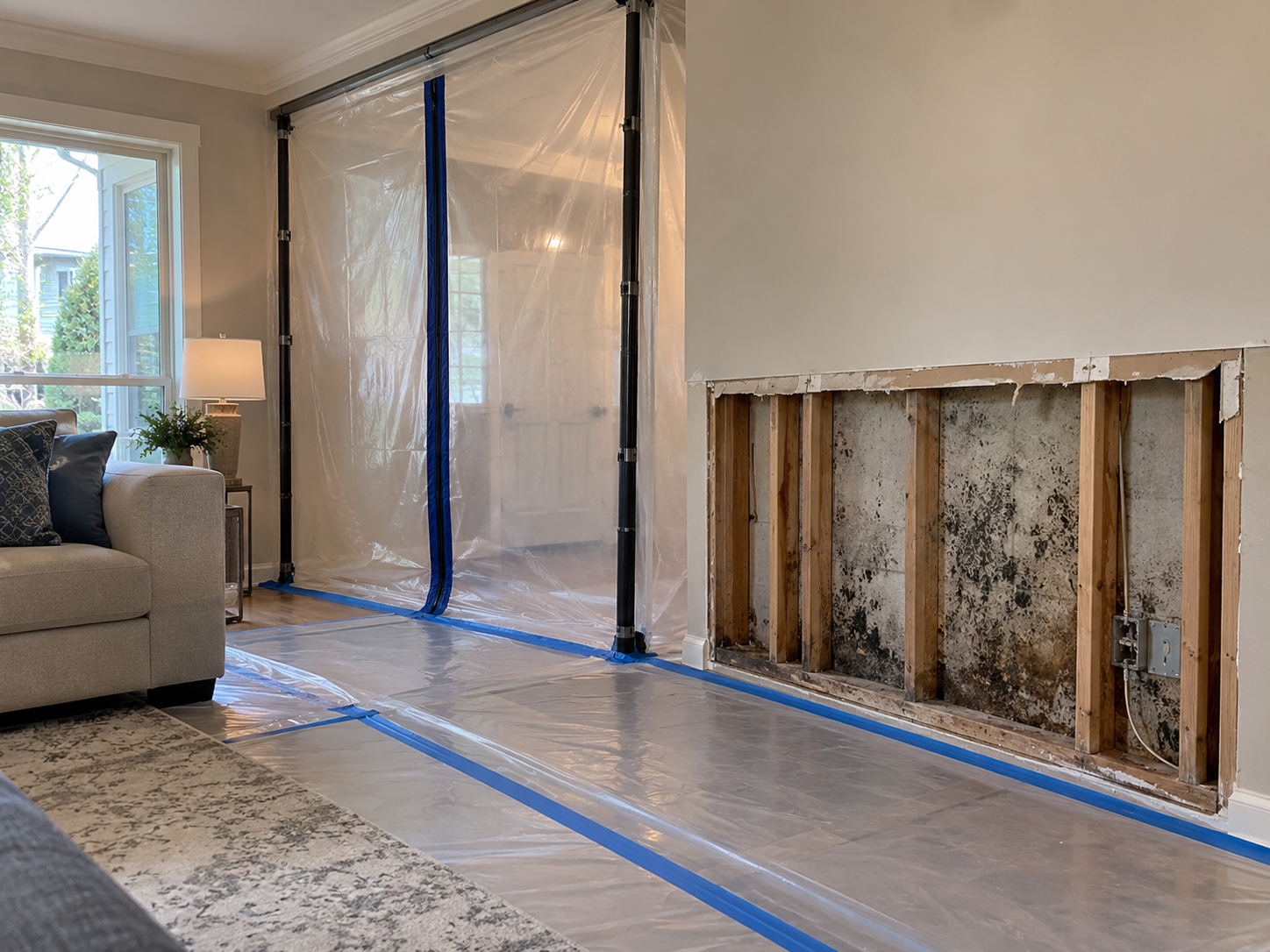
How Does Mold Restoration Rebuild Affected Home Areas?
Restoration can include cleaning retained framing, checking remaining moisture, supporting drying, preparing wall and ceiling openings, coordinating cabinet or trim replacement, and planning new finishes. The repair scope should follow actual damage instead of expanding into unaffected rooms.
Water Mold Las Vegas keeps removal and restoration connected so rebuilding does not begin before the area is ready. Final review can confirm that cleanup, drying, and material preparation are complete before drywall, trim, cabinets, ceiling finishes, or other residential components are replaced.
What Is Included In Residential Mold Restoration?
Residential mold restoration connects affected-material removal with the preparation needed for rebuilding. The scope can include removing damaged porous components, cleaning retained surfaces, checking moisture, supporting drying, preparing openings, coordinating replacement drywall or trim, and reviewing the work area before repairs begin. Each service below focuses on a different part of the restoration process so removal, drying, and repair preparation remain organized around the actual home conditions.
Residential Restoration Work Areas
Bathroom Mold Restoration
Bathroom mold restoration can involve drywall, ceilings, vanity areas, trim, flooring edges, and wall finishes damaged by leaks or repeated moisture. After affected porous materials are removed, the remaining area may need cleaning, moisture checks, drying, and preparation for replacement finishes. Restoration planning can include vanity surrounds, wallboard, baseboards, ceiling surfaces, and nearby materials so the bathroom moves from removal into repair without rebuilding over damp or damaged components. Final review keeps the bathroom restoration.
Call NowKitchen Mold Restoration
Kitchen mold restoration can involve sink cabinets, drywall, wall finishes, ceilings, trim, flooring edges, and appliance-adjacent areas after plumbing or appliance water causes mold damage. Removal may expose cabinet backs, wall cavities, or materials that need cleaning and drying before repairs begin. Restoration can include preparing cabinet openings, wall surfaces, drywall sections, and finish edges so replacement components are installed only after the confirmed affected area is stable and ready. Final review keeps the kitchen.
Call NowBedroom Mold Restoration
Bedroom mold restoration addresses affected drywall, walls, ceilings, trim, closets, window sections, and adjoining finishes after roof water, condensation, or nearby plumbing causes damage. Once damaged materials are removed, the remaining area can be cleaned, dried, and prepared for rebuilding. Restoration planning should consider furniture, sleeping areas, access, wall finishes, ceiling repairs, and trim replacement while keeping unaffected bedroom surfaces outside the confirmed work area and normal household use protected. Final review keeps the bedroom.
Call NowCloset Mold Restoration
Closet mold restoration can involve drywall, shelving surrounds, baseboards, ceilings, exterior-wall areas, and other finishes affected by hidden moisture or limited airflow. After selective removal, the closet may need surface cleaning, moisture checks, drying, and preparation for replacement wallboard, trim, shelving, or finishes. Belongings should remain separate from the active work area until restored surfaces and repaired components are ready for normal storage use and moisture conditions have been reviewed. Final review keeps the closet.
Call NowAttic Mold Restoration
Attic mold restoration can involve framing, roof sheathing, insulation edges, drywall surfaces, and other materials affected by leaks, condensation, or repeated moisture. Restoration begins after the roof or moisture source is addressed and damaged components are reviewed. The work can include cleaning retained materials, replacing selected insulation or drywall sections, supporting drying, and coordinating repair preparation so the attic is not closed before affected materials are ready and moisture conditions are stable. Final review keeps.
Call NowWall Mold Restoration
Wall mold restoration can involve drywall, trim, insulation edges, framing, wall coverings, and concealed cavities after leaks or moisture damage. Selective removal may leave open sections that require drying and inspection before replacement materials are installed. Restoration can include cleaning retained framing, checking moisture, preparing drywall edges, coordinating insulation replacement, and planning trim or finish repairs while keeping demolition limited to the confirmed affected wall area and surrounding serviceable materials. Final review keeps the wall.
Call NowInterior Mold Restoration Services
Ceiling Mold Restoration
Ceiling mold restoration can involve drywall, plaster, insulation edges, framing, and finished surfaces affected by roof water, plumbing leaks, or HVAC-related moisture. After damaged material is removed, the ceiling opening can be cleaned, dried, and prepared for new board, patching, texture, or finish work. Restoration should follow the actual moisture path and confirm the area is ready before replacement ceiling materials cover retained framing, insulation edges, or other components above the finished surface. Final review.
Call NowDrywall Mold Restoration
Drywall mold restoration begins after affected wallboard is selectively removed and the exposed cavity is reviewed for remaining moisture or damaged materials. Retained framing, insulation edges, wiring areas, and nearby finishes may need cleaning or drying before new wallboard is installed. Restoration can include preparing clean edges, coordinating insulation replacement, confirming wall conditions, and organizing the opening for drywall, finishing, texture, paint, or trim work after removal and drying steps are complete. Final review keeps.
Call NowCabinet Mold Restoration
Cabinet mold restoration can involve sink bases, vanity cabinets, toe kicks, side panels, backs, and adjoining walls damaged by leaks or trapped moisture. Removing affected components may expose plumbing, drywall, flooring edges, or wall cavities that require drying and cleaning. Restoration planning can include cabinet replacement, wall repair, trim preparation, and finish coordination so new components are not installed against damp materials, unresolved leaks, or surfaces that still require cleanup or repair preparation. Final review.
Call NowWindow Mold Restoration
Window mold restoration can address frames, sills, drywall returns, trim, and adjacent wall finishes after condensation or exterior water intrusion causes mold damage. Selective removal may expose wall edges or framing around the opening. Restoration can include drying, retained-surface cleaning, replacement drywall, trim preparation, seal or flashing coordination, and finish repair after the source of water entry has been corrected and surrounding materials are ready for rebuilding around the window area. Final review keeps the.
Call NowHVAC Area Restoration
Residential mold restoration near HVAC equipment can involve mechanical closets, ceilings, walls, drywall, drain-line areas, and nearby finishes affected by condensation or drainage problems. After damaged building materials are removed, the surrounding area may need cleaning, drying, drywall replacement, trim repair, or finish work. Restoration should stay focused on confirmed building damage while separate HVAC service is used when internal equipment, drain components, or system parts require specialized evaluation or repair. Final review keeps the.
Call NowLocalized Mold Restoration
Localized mold restoration focuses on a defined residential area where damage is limited rather than spread throughout the home. A smaller work zone can allow damaged-material removal, retained-surface cleaning, drying, and rebuilding preparation without disturbing unrelated finishes. Restoration may include replacing selected drywall, trim, cabinet parts, ceiling sections, or other components after the area is ready. The goal is to return the confirmed location to usable condition without unnecessary construction in unaffected rooms. Final review.
Call NowLeak And Moisture Restoration
Roof Leak Restoration
Roof leak mold restoration can involve attic materials, ceilings, upper walls, drywall, insulation edges, and interior finishes after water travels through roofing, flashing, vents, or penetrations. Once the roof source is corrected, affected materials can be removed, cleaned, dried, and prepared for repair. Restoration can include ceiling replacement, drywall repair, insulation work, trim preparation, and finish coordination based on the actual moisture path instead of only the visible interior stain or damaged finish. Final review.
Call NowPlumbing Leak Restoration
Plumbing leak mold restoration can involve walls, cabinets, ceilings, drywall, flooring edges, and nearby finishes after water escapes from supply lines, drains, fixtures, or hidden pipes. After the plumbing source is repaired, damaged materials can be selectively removed and the area dried. Restoration may include wallboard replacement, cabinet repair, trim preparation, ceiling work, and finish coordination so repairs follow the confirmed leak path, access opening, surrounding moisture condition, and retained material condition. Final review keeps.
Call NowCondensation Mold Restoration
Condensation-related mold restoration can involve windows, vents, closets, ceilings, walls, bathrooms, and other areas where repeated surface moisture damages finishes or porous materials. Restoration should begin after the recurring condensation condition is addressed. The work can include selective removal, retained-surface cleaning, drying, drywall or trim replacement, and finish repair. Rebuilding should follow moisture correction so new materials are not installed into the same damp conditions that caused the original residential damage. Final review keeps the.
Call NowWater Damage Restoration
Water-damage mold restoration follows roof leaks, appliance failures, plumbing events, or other water incidents that damage walls, ceilings, drywall, cabinets, and flooring edges. After wet or deteriorated materials are removed, the remaining area can be cleaned, dried, and prepared for rebuilding. Restoration planning may include replacement wallboard, ceiling repair, cabinet work, trim preparation, and finish coordination while keeping repairs tied to the actual water path, removed materials, and verified condition of retained surfaces. Final review.
Call NowHidden Mold Restoration
Hidden mold restoration can involve wall cavities, areas above ceilings, enclosed cabinet spaces, window surrounds, and other concealed locations after damaged materials are opened. Once the affected section is exposed, remaining surfaces can be cleaned, moisture can be checked, and the area can be dried. Restoration may include closing wall or ceiling openings, replacing insulation, reinstalling trim, repairing cabinets, or restoring finishes after concealed conditions are addressed and retained materials are ready for rebuilding. Final.
Call NowPost Leak Restoration
Post-leak mold restoration addresses areas that remained damp after a water source was repaired. Walls, ceilings, drywall, cabinets, closets, and flooring edges may require removal and later rebuilding when moisture damaged porous materials. Restoration can include drying, cleaning retained surfaces, preparing openings, replacing wallboard, repairing trim, and coordinating finishes after conditions are stable. The repair stage should follow confirmed drying rather than beginning immediately after visible water stops or the leak source is repaired. Final.
Call NowRepair And Rebuilding Preparation
Multi Room Restoration
Multi-room mold restoration may be needed when one leak or moisture event affects several connected areas of a home. Each room can move through removal, cleaning, drying, and rebuilding at a different pace depending on material condition. Restoration planning can coordinate drywall, trim, cabinets, ceilings, paint preparation, and household access while keeping completed rooms separate from active work zones. The goal is organized repair without treating unaffected rooms as part of the same construction scope.
Call NowOccupied Home Restoration
Mold removal and restoration in an occupied home requires planning around residents, pets, belongings, sleeping areas, entry routes, and daily routines. The project can be phased so active removal and repair areas stay defined while unaffected rooms remain available when practical. Restoration may include selective material replacement, drying, drywall work, trim repairs, cabinet coordination, and finish preparation scheduled around household use so the transition from removal into rebuilding remains organized and manageable for occupants. Final.
Call NowRestoration Scope Review
A restoration scope review organizes what was removed, what materials can remain, which areas still need drying, and what repairs are required before rebuilding begins. The review can cover drywall, ceilings, cabinets, trim, insulation edges, wall finishes, and room connections. Clear scope helps homeowners understand which components need replacement, where repair boundaries begin and end, and whether the confirmed residential area is ready to move from mold removal into restoration work without unresolved moisture. Final.
Call NowRepair Material Planning
Repair material planning identifies drywall, trim, insulation, cabinet components, ceiling materials, or finish items that may need replacement after mold removal. Measurements, opening sizes, material type, existing finishes, and repair boundaries can be reviewed before reconstruction begins. Planning helps keep restoration organized and avoids covering retained materials before moisture and cleaning checks are complete. Replacement choices should match the confirmed repair area rather than extending into unaffected portions of the home without a construction need.
Call NowResidential Drying Review
A residential drying review checks whether exposed framing, drywall edges, cabinet areas, ceiling sections, or other retained materials are ready for repair after mold removal. Drying conditions can depend on airflow, temperature, humidity, material type, and the original water source. Restoration should not move forward simply because surfaces look dry. Moisture checks help confirm when repair preparation can begin and where additional drying may still be needed before replacement finishes are installed over retained materials.
Call NowRepair Readiness Review
A repair readiness review takes place after affected materials are removed, retained surfaces are cleaned, debris is cleared, and drying is complete. The work area can be checked for remaining moisture, exposed edges, material condition, and repair boundaries. Once the area is ready, restoration can move into drywall replacement, ceiling repair, trim work, cabinet installation, or other finish work. Clear readiness helps prevent rebuilding over unresolved moisture, incomplete cleanup, or materials that still require attention.
Call NowWhy Coordinate Removal With Restoration?
Plan Repairs Early
Planning repairs while removal is underway helps identify which drywall, trim, cabinets, insulation, ceiling materials, or finishes may need replacement later. Early planning does not mean rebuilding before drying is complete. Instead, it helps homeowners understand repair boundaries, material needs, and the order of work. This makes it easier to move from cleanup into restoration once retained surfaces are ready and the affected area has completed moisture and condition checks. Final review keeps the residential.
Keep Rebuilding Focused
Residential restoration should follow the confirmed mold and moisture damage instead of expanding into unrelated rooms or finishes. Clear repair boundaries help identify where new drywall, trim, cabinets, ceiling materials, or paint preparation is actually needed. Keeping rebuilding focused can reduce unnecessary construction while still restoring the affected home area. The repair stage should match the opening created during removal and the condition of retained materials around that work zone. Final review keeps the residential.
Confirm Repair Readiness
Repair work should begin only after the affected area has completed removal, cleaning, debris control, and required drying. A readiness review can check retained surfaces, remaining moisture, exposed framing, drywall edges, cabinet areas, and repair boundaries before replacement materials are installed. This helps prevent new finishes from covering unresolved moisture or incomplete cleanup. Clear readiness also gives homeowners and contractors a better transition point from mold work into rebuilding. Final review keeps the residential restoration.
Residential Mold Removal And Restoration FAQs
Clear answers about residential mold restoration, drywall replacement, cabinet repairs, ceiling work, repair readiness, rebuilding, and the transition after removal.
Get Mold Removal And Restoration Help
Call Water Mold Las Vegas to discuss mold-damaged drywall, walls, ceilings, cabinets, bathroom materials, kitchen finishes, attic areas, or other home components that may need removal followed by restoration. The next step can be based on affected materials, moisture history, drying status, repair boundaries, replacement needs, and whether the residential work area is ready to move into rebuilding.